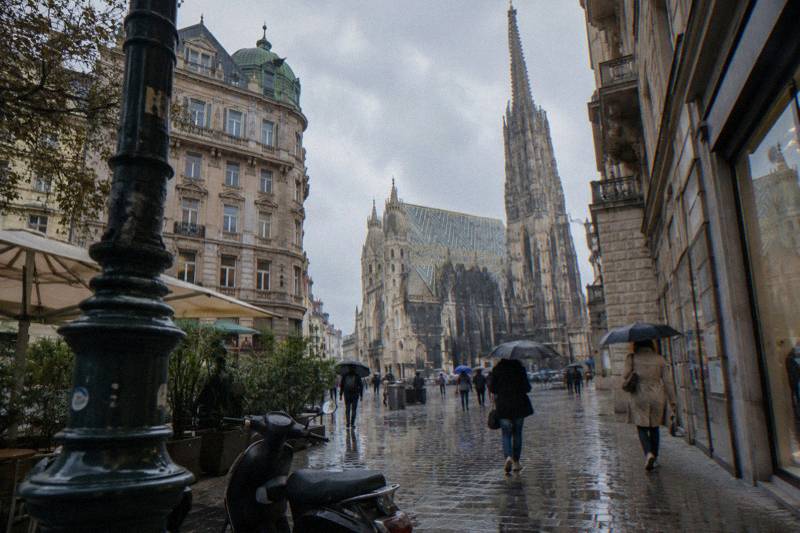
Free Things To Do In Vienna By Bike
Vienna hands a cyclist an unusual amount of city for nothing: a 1,811 kilometre path network, free river beaches, free palace grounds and a pay-what-you-want walking tour. Here is what is genuinely free, what is not, and where a paid guided ride earns its price.
Short answer
Vienna gives cyclists about 1,811 kilometres of cycle network, free access to the Ringstrasse, the Danube Canal paths, Donauinsel and the Prater Hauptallee, plus free palace gardens and river beaches. Bike share starts at 0.80 EUR per 30 minutes, and a verified free walking tour covers the centre in about 2 hours 15 minutes.
Vienna is one of the few European capitals where a visitor can spend an entire day on a bike, see a palace, two riversides, a forested island and a world-famous boulevard, and pay nothing for a single sight. The city counts roughly 1,811 kilometres of cycle network, and the parts visitors care about most, the Ringstrasse, the Danube Canal, the Prater and the Danube Island, cost no entrance fee at any hour. That is the honest core of this guide: a list of what is genuinely free, what quietly is not, and one paid option that fills the gap a free day leaves open.
What Can You Do In Vienna For Free By Bike?
A cyclist in Vienna can ride the full Ringstrasse loop, both canal-side paths, the Prater Hauptallee and most of Donauinsel without paying anything, and the free sights along the way include the Rathaus forecourt, the Votivkirche exterior, Schwarzenbergplatz and the Danube Island beaches. About 21 kilometres of paved cycling routes criss-cross the island alone. What costs money is the museums, palace interiors, the Riesenrad and the bike itself unless you already have one. If the free roll down the Hauptallee leaves you curious about the giant wheel at the far end, our guide to what the Prater is famous for explains the park, its woodland and how to see both by bike.
The split between free and paid in Vienna falls cleanly between outdoors and indoors. Every garden, every path, every riverside and the grounds of the Belvedere and most of Schoenbrunn's outer parkland are public space. The buildings behind the facades are ticketed, and the fresh figures show the gap: an adult Riesenrad ticket is 14.50 EUR, a Schoenbrunn State Apartments ticket roughly 28 EUR, and the Upper Belvedere 23 EUR with free entry for under-19s. A budget cyclist skips the interiors and still gets the postcard views, because almost every famous Vienna photograph is taken from public ground.
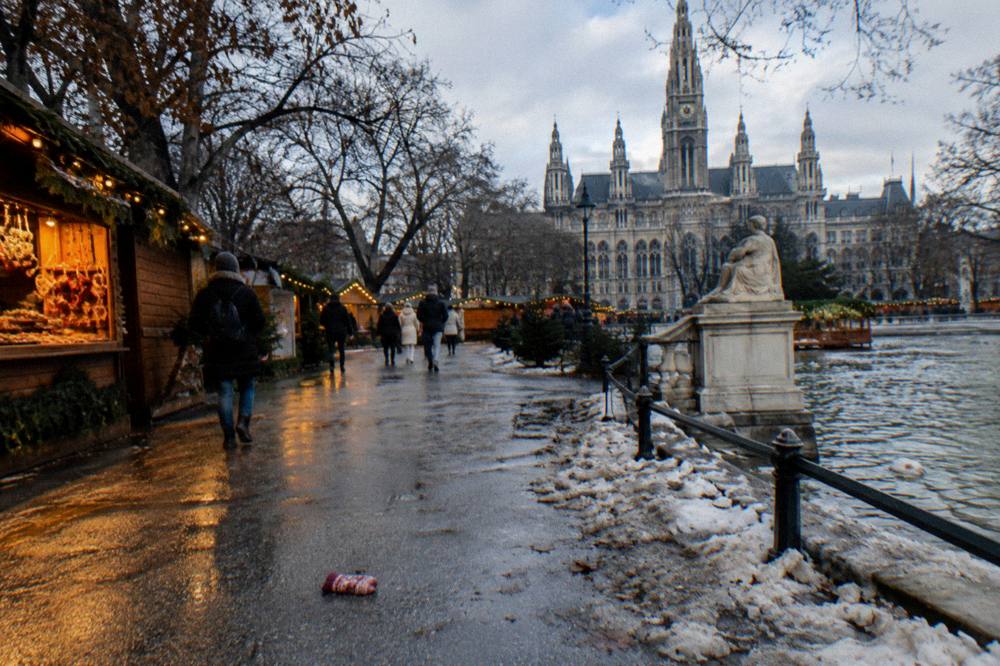
For planning a free day on two wheels, the practical anchors are the seasons and the construction calendar. The Wiener Christkindlmarkt on Rathausplatz runs from 13 November to 26 December 2026 and the Schoenbrunn Christmas market opens 6 November, both free to walk through and both easiest to reach by bike before the crowds build. The Ringstrasse bike path is being rebuilt in stages from October 2026, starting between Schottentor and Franz-Josefs-Kai, so check the city's diversion page before riding the boulevard loop.
Which Free Cycling Routes Should You Ride First?
Ride the Ringstrasse loop first, then the canal paths, then the Prater Hauptallee, then Donauinsel. All four are free, all are car-light or car-free for most of their length, and together they cover the imperial centre, the waterfront, the green lung and the river beaches in one long day. The Ringstrasse works are staging diversions from October 2026, so start with the canal and the Prater if you arrive mid-rebuild.
The Ringstrasse is the classic opener: a boulevard circuit past the Opera, the Burgtheater, the Rathaus, Parliament and the Votivkirche, all viewable from the saddle. The redesign now under way converts the service road between Schottentor and Franz-Josefs-Kai into a 4.50 metre two-way cycle path, with the first phase targeted for summer 2027, so the ride improves as it goes. Until then the city's diversion page lists the staged closures, and our Ringstrasse route and timing guide gives the full circuit.
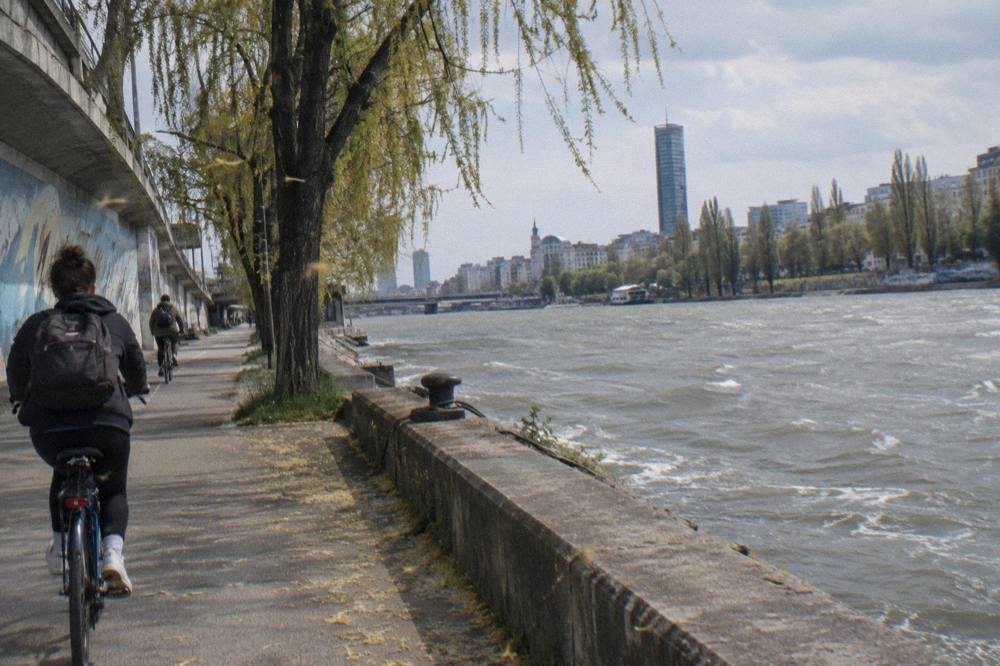
The canal-side route along the Danube's urban arm is the free alternative face of Vienna: flat, fast and busy with locals rather than tour groups. Our Danube Canal cycling guide maps both banks. Further out, the Prater Hauptallee is a straight, tree-lined car-free avenue, and Donauinsel adds about 21 kilometres of paved routes inside a 135 kilometre path network on a 3.9 square kilometre island. Vienna is adding 33 projects and around 12.5 kilometres of new cycling infrastructure in 2026 under its Radweg-Offensive, so the network keeps growing under your wheels.
If riding all of this self-guided sounds like route homework, the paid alternative is a guide who bundles the highlights into three hours, bike included:
The Vienna: City Highlights Guided Bike Tour is the closest paid cousin of the free Ringstrasse day: three hours, from $53 per person on the listing, with the bike included so you skip rental logistics entirely. The Classic Vienna 3-Hour tour and the Vienna City Bike Tour cover similar ground at different price points and group feels; check each booking page for the current price and meeting point before choosing.

What Free Sights Line The Ringstrasse By Bike?
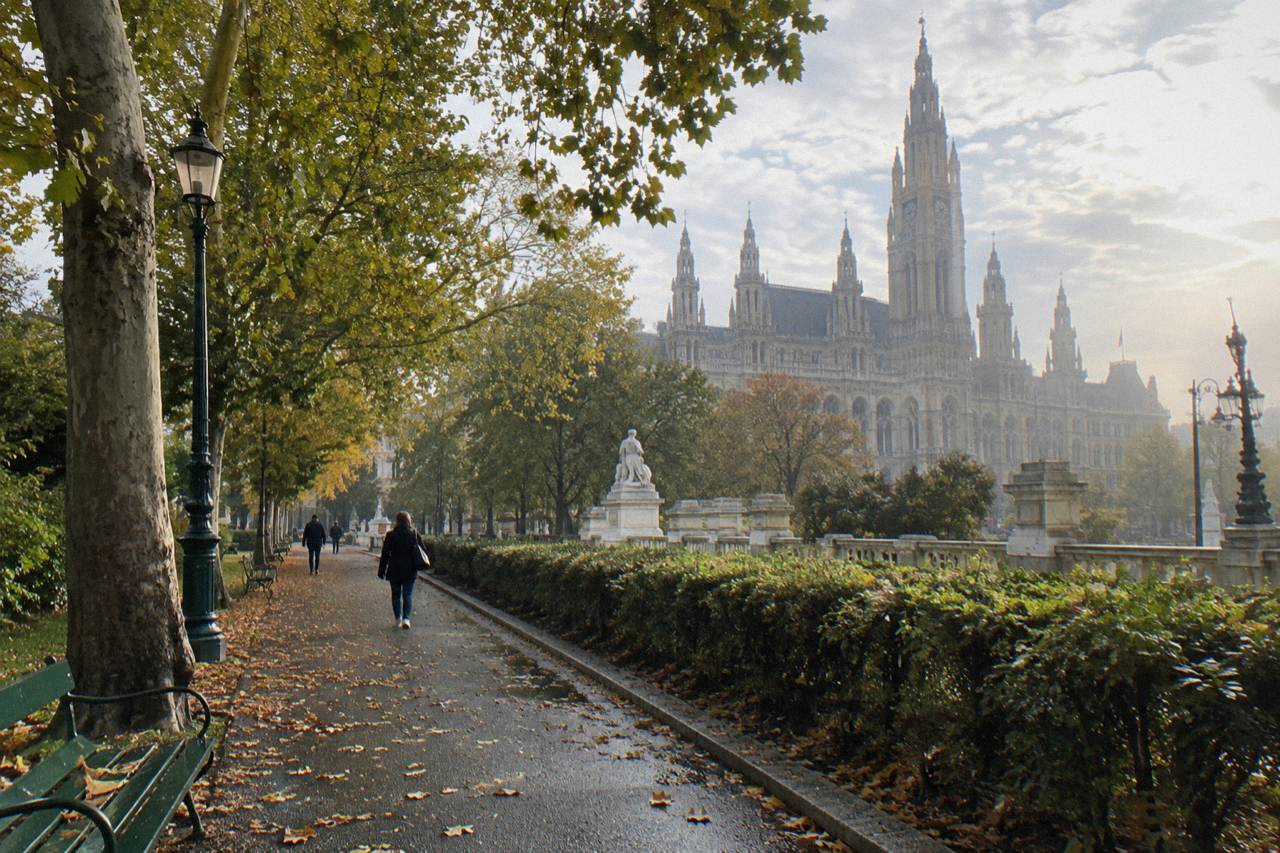
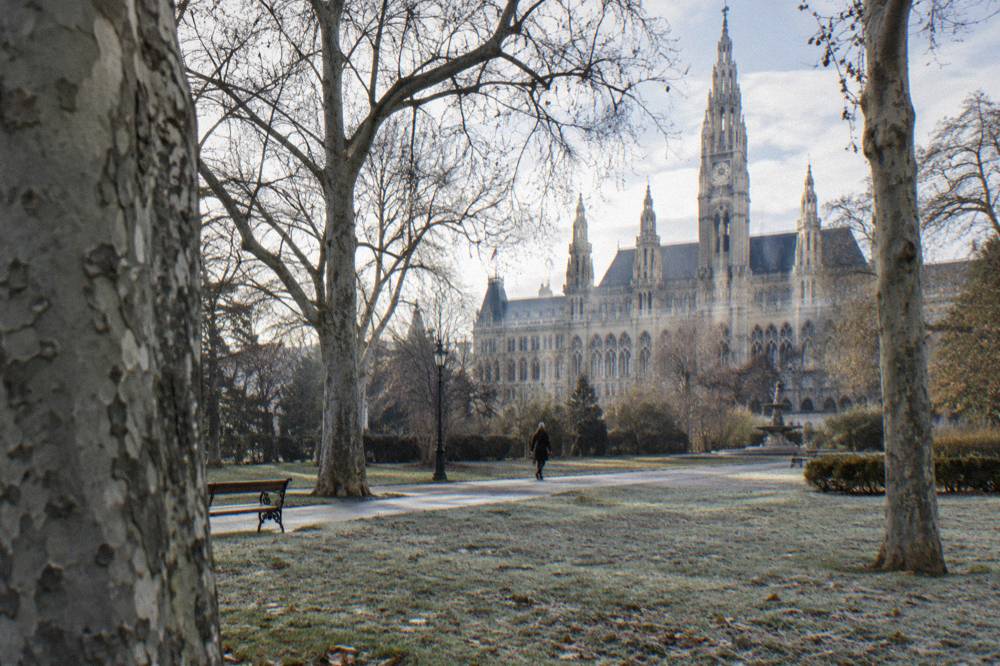
Every major Ringstrasse landmark is free to see from outside: the Opera House, Burgtheater, Rathaus, Parliament, City Hall park, the Votivkirche and Schwarzenbergplatz all sit directly on or beside the boulevard, and none charges to ride past or photograph. Only the interiors cost money. The Rathausplatz forecourt hosts the free-entry Christmas market from 13 November 2026.
One slow lap of the Ring passes more famous facades than most cities show in a week. Stop where you like, because the sights are the street itself. The table below separates what you see for free from what sits behind a ticket.
| Ringstrasse sight | Free from outside | Paid interior (2026 figures) |
|---|---|---|
| Vienna State Opera | Facade and forecourt | Performance and tour tickets vary |
| Rathaus and Rathausplatz | Gothic facade, forecourt, Christmas market entry | Ice rink and market food cost extra |
| Burgtheater | Exterior on the Ring | Tour and performance tickets |
| Votivkirche | Full facade view from the park | Small entry donation asked |
| Parliament | Rebuilt facade and surrounds | Guided tour ticket |
| Schwarzenbergplatz | Fountain and monument | Nothing paid |
The honest caveat is the construction now reshaping parts of the boulevard. Work began on 5 October 2026 between Schottentor and Franz-Josefs-Kai, separating cyclists from pedestrians as the service road becomes a proper two-way path. Until phases complete, expect cones, narrowed sections and diverted riders; the city publishes the staged plan and diversions, so a two-minute check saves a wrong turn. The rest of the Ring stays open through the works.
For many visitors the paid question is whether a guide adds enough to justify leaving the free version behind. A self-guided lap shows you the buildings; a licensed guide explains the history behind them and handles the bike and the traffic rules for you.
Where Can You Ride Free Parks And Beaches Around The Danube?
Donauinsel and the Prater are Vienna's big free rides: the island offers about 21 kilometres of paved cycling routes, free river beaches and 42 kilometres of shoreline, while the Prater's Hauptallee is a car-free chestnut avenue through open green. Both are free at all hours, and a section of the island's main path between Nordbruecke and Floridsdorfer Bruecke stays closed for water works until 2030, with a signed diversion via the Neue Donau path. If you fancy taking two wheels beyond the city limits, our guide to cycling across Austria covers the Danube routes and alpine climbs waiting further afield.
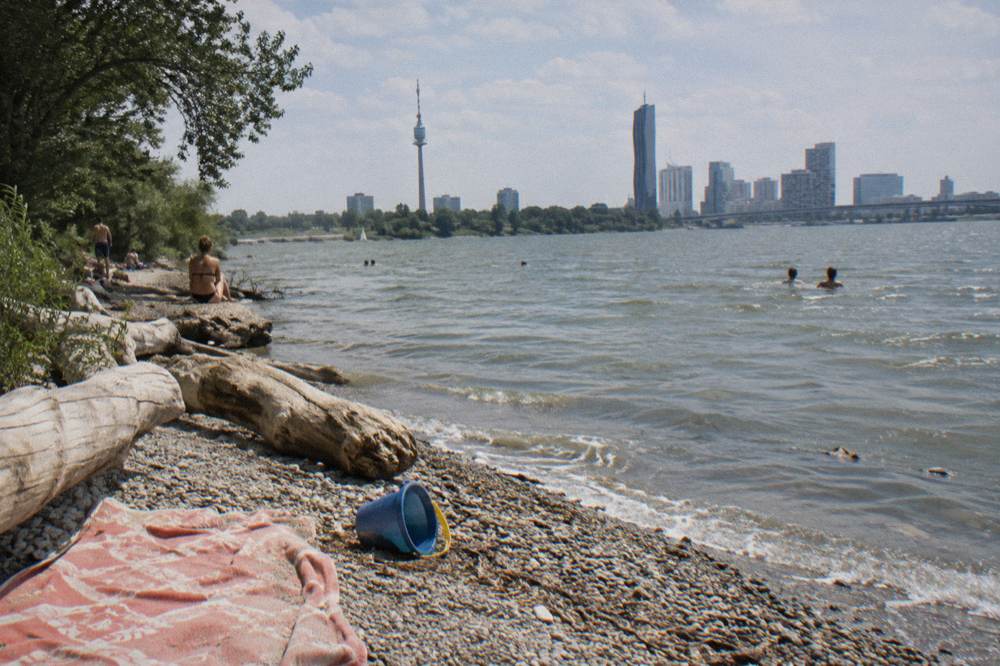
Donauinsel is the closest thing Vienna has to a free beach holiday. The island's house rules apply normal traffic law to its 135 kilometre path network, so ride on the right and expect pedestrians on summer weekends. The beaches along the Neue Donau are free, the water is swimmable, and the whole thing sits inside the city, reachable on the U-Bahn with a bike in the permitted hours if you do not want to ride out. Our Prater and Donauinsel cycling guide covers the full loop.
The Prater side needs no ticket either. The Hauptallee runs straight through the green belt, and the famous Wurstelprater funfair area is free to walk through even though each ride, including the Riesenrad at 14.50 EUR for adults, charges separately. Families get the best free deal here: unlimited car-free riding, playgrounds and shade.
| Free green ride | Terrain | Free extras on the loop |
|---|---|---|
| Donauinsel | Flat, about 21 km paved routes | Free beaches, 42 km of shoreline |
| Prater Hauptallee | Flat, straight, car-free avenue | Playgrounds, parkland, funfair stroll |
| Donau Canal banks | Flat urban path, both banks | Riverside walkways, rest day riding |
| Ringstrasse park strip | Boulevard riding with park stops | Votivkirche park, Rathauspark |
If the island appeals but the ride out feels long, one guided option does the legwork:
The Vienna: E-Bike Tour with Danube Island & Green Parks spends three hours on exactly this territory, e-bikes included, which turns the island and the park ring into an assisted glide rather than a workout. Price and current availability are on the booking page.
Is The Free Walking Tour In Vienna Really Free?
Yes, in the pay-what-you-want sense. The Free Walking Tour through the center of Vienna on GuruWalk runs about 2 hours 15 minutes in English, makes 6 stops, starts at Minoritenplatz 8 near the U3 Herrengasse station and ends at St. Stephen's Cathedral, and it is rated 4.95 from 3,279 reviews. "Free" means you tip the guide what the walk was worth at the end, nothing is charged up front.
It is a walk, not a bike ride, and that difference matters for planning. The tour covers the compact centre on foot, which suits a rest day between rides. It passes the core imperial sights at a pace no bike tour can match for detail, and the guide works for tips, so the incentive runs toward a good walk rather than an upsell. If the walk leaves you keen to see more of the city, our rundown of Vienna sights you should not miss takes you from the Ringstrasse out to the Prater and the Danube.
See this free tour on GuruWalk
The gap between the free walk and any bike tour is coverage and wheels. A walking tour of the centre cannot show you the Ringstrasse loop or the Prater and Danube Island side, and it supplies no bike. That is exactly where a paid guided ride earns its slot: the Vienna City Highlights Guided Bike Tour bundles bike and guide into three hours and reaches ground the walk never touches. Check availability if that combination fits your dates.
Can You Reach The Wachau's Free Views From Vienna By Bike?
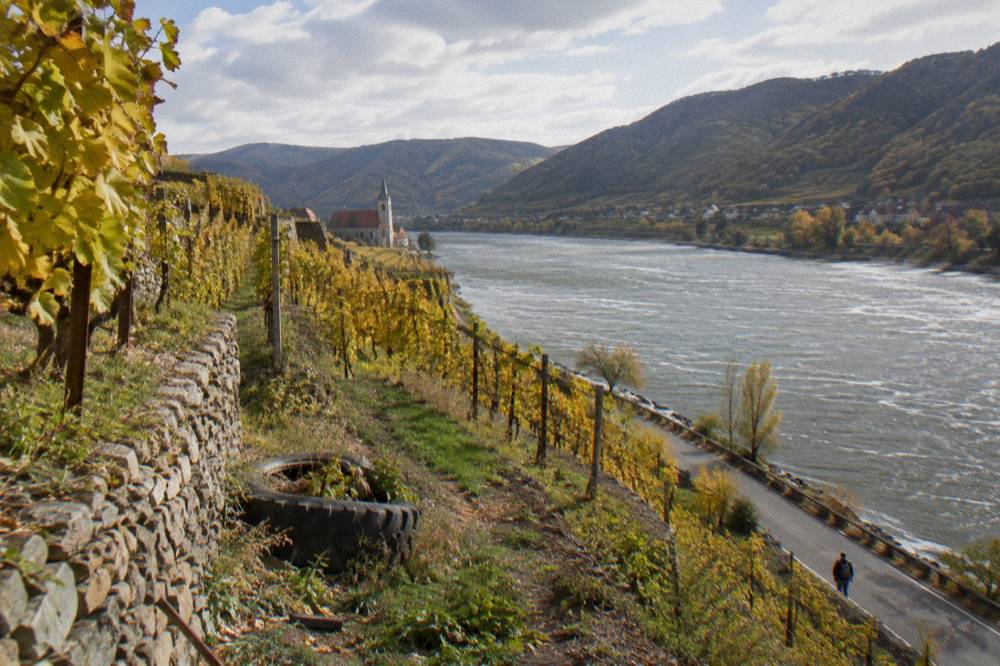
Yes, you can: the Wachau sits about an hour from Vienna by train, and once you arrive the riverbank riding, orchards and village streets cost nothing, with only trains, rentals, ships and Melk Abbey requiring payment. A full day trip from Vienna by bike is doable but long, running roughly 11 hours for the guided version.
For a free-riding extension of a Vienna trip, the Wachau is the prize: terraced vineyards, the Danube, and villages like Krems and Spitz where the sights are the landscape. Trains from Vienna to Melk run about every 30 minutes with an average journey time of 51 minutes, and bikes travel on the train under the operator's conditions, so check the rail operator's bike terms before committing. Our Wachau Valley by bike guide has the full plan.
Timing shapes what you get for free. Apricot blossom typically peaks for 10 days to 3 weeks between late March and early April, and the harvest lands in early to mid-July in an average year. Ride in those windows and the valley's free show is at its best. The ship season on the Danube between Melk and Krems ends 1 November 2026, so late-season visitors get the banks but not the boats.
The paid shortcut, if you would rather not assemble trains, rentals and ferry times yourself:
The Vienna: Wine Tasting E-Bike Tour keeps things closer to the city, four hours on an e-bike with a tasting stop, and its price and inclusions are listed on the booking page. For the full Wachau day, a guided wine-tasting bike tour from Vienna runs about 11 hours end to end.
How Do You Get A Bike Cheaply In Vienna?
WienMobil Rad, the city bike-share run by Wiener Linien, charges from 0.80 EUR per started 30 minutes capped at 20 EUR per 24 hours for standard bikes, with e-bikes at 3.30 EUR per 30 minutes capped at 40 EUR, and a 63 EUR annual pass includes the first 30 minutes of every trip free. It is not free, but a half-day of station-to-station riding can cost less than a coffee.
The system has grown past its old Citybike Wien identity: more than 3,700 bikes, including 600 e-bikes, sit at over 250 stations across all 23 districts, so a free-sightseeing day rarely starts far from a dock. Holders of a Wiener Linien annual pass or KlimaTicket pay the lower Mix tariff, 0.37 EUR per 30 minutes capped at 10 EUR per day. Full tariffs are on the WienMobil Rad page.
| WienMobil Rad option | Price | Notes |
|---|---|---|
| Standard bike, pay per ride | 0.80 EUR per 30 minutes | Capped at 20 EUR per 24 hours |
| Standard bike, Mix tariff | 0.37 EUR per 30 minutes | Needs annual pass or KlimaTicket, cap 10 EUR per 24 hours |
| E-bike, standard | 3.30 EUR per 30 minutes | Capped at 40 EUR per 24 hours |
| E-bike, Mix tariff | 2.30 EUR per 30 minutes | Eligible pass holders |
| Annual subscription | 63 EUR per year | First 30 minutes of each trip free |
Day rentals run higher: one rental shop at Donauinsel lists a comfort bike at 35 EUR and an e-bike at 75 EUR for a 6 to 12 hour day. Those are one shop's list prices, not a market average, but they frame the value of share bikes for a casual free-sightseeing day. Our rent or join a guided ride guide compares the options in full, and the Bike Tours Vienna tour pages list guided rides with the bike already included in the price.
If even the share tariff is more than you want, the honest trick is geometry: Vienna's free sights cluster, so a rider who loops the Ring, cuts down to the canal and finishes in the Prater can see most of this guide's list in two or three short hops between stations rather than one long holding period.
What Rules Apply When Riding Vienna's Free Routes?
Children up to their 12th birthday must wear a helmet on any bicycle, and since 1 May 2026 riders under 14 on e-bikes must too; from 14 there is no general helmet duty, only a recommendation. Bikes ride free on the U-Bahn only, weekdays 9:00 to 15:00 and after 18:30 plus all day weekends and holidays, wheeled never ridden, and never on escalators. Non-foldable bikes are banned from buses and trams.
Two 2026 changes are worth knowing even on a free day out. Since 1 October 2026 e-mopeds are classified as motor vehicles and prohibited from bike paths, which thins faster traffic off the lanes you will ride. And the Donauinsel main path between Nordbruecke and Floridsdorfer Bruecke stays closed for water works until 2030, with cyclists diverted via the Neue Donau path; treat the island as a two-bank ride and follow the signs.
One caution worth keeping plain: alcohol and cycling are a poor pairing on any wine-region or beer-garden ride. Local rules apply, and tour operators set their own guidance around tasting stops. The safe habit is simple, keep the tasting for riders who are done riding for the day, and let anyone still leading a group stay sharp on the way back. Our cycling rules and safety guide collects the verified rules in one place.
Winter visitors get one quiet bonus: the city prioritises clearing of central high-traffic bike paths in winter, with a downloadable plan of which routes stay rideable, so a free Ringstrasse lap in December is more realistic than in most Central European capitals. Pair it with the Christmas market dates above for a near-zero-cost festive day.
For riders who want all of this without carrying rules, routes and diversion maps in their head, three guided options cover the same ground with the bike and the planning included:
Each listing states its own price, meeting point and inclusions; check the booking page before you commit, since schedules shift with the season.
Common Questions About Free Things To Do In Vienna
Is The Free Walking Tour In Vienna Really Free?
Yes, in the pay-what-you-want sense: nothing is charged up front and you tip the guide what the walk was worth. The Free Walking Tour through the center of Vienna on GuruWalk runs about 2 hours 15 minutes in English, makes 6 stops from Minoritenplatz 8 to St. Stephen's Cathedral, and holds a 4.95 rating from 3,279 reviews.
Can You Ride The Ringstrasse For Free?
Yes, the full boulevard loop is public road with cycle infrastructure and no fee. Parts are being rebuilt in stages from October 2026, starting between Schottentor and Franz-Josefs-Kai, so check the city's diversion page for staged closures before riding.
Is Donauinsel Free To Cycle?
Yes. The island has about 21 kilometres of paved cycling routes inside a 135 kilometre path network, plus free river beaches. One section of the main path between Nordbruecke and Floridsdorfer Bruecke is closed for water works until 2030, with a signed diversion via the Neue Donau path.
How Much Does Bike Share Cost In Vienna?
WienMobil Rad standard bikes cost 0.80 EUR per started 30 minutes, capped at 20 EUR per 24 hours; e-bikes are 3.30 EUR per 30 minutes capped at 40 EUR. Pass holders pay lower Mix tariffs, and a 63 EUR annual subscription includes the first 30 minutes of every trip free.
Which Vienna Sights Cost Money Even Though They Look Free?
The palace interiors and big wheels: the Riesenrad is 14.50 EUR for adults, the Schoenbrunn State Apartments roughly 28 EUR, and the Upper Belvedere 23 EUR with free entry for under-19s. Gardens, parks, riverbanks and the Ringstrasse itself stay free.
Can You Take A Bike On The U-Bahn In Vienna?
Yes, free of charge and only on the U-Bahn, on weekdays between 9:00 and 15:00 and after 18:30, plus all day on weekends and public holidays. Bikes must be pushed, never ridden, inside stations, and escalators are off limits. Trams and buses do not take non-foldable bikes.