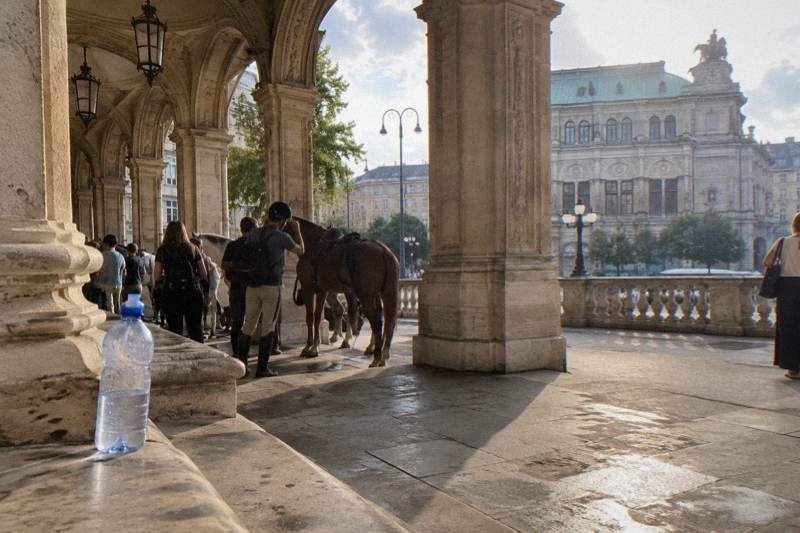
Three Days In Vienna With One Bike Day
Three days is enough to see imperial Vienna, ride the Ringstrasse and the Danube paths on two wheels, and still leave room for a coffee house afternoon, provided you put the bike day on the right afternoon.
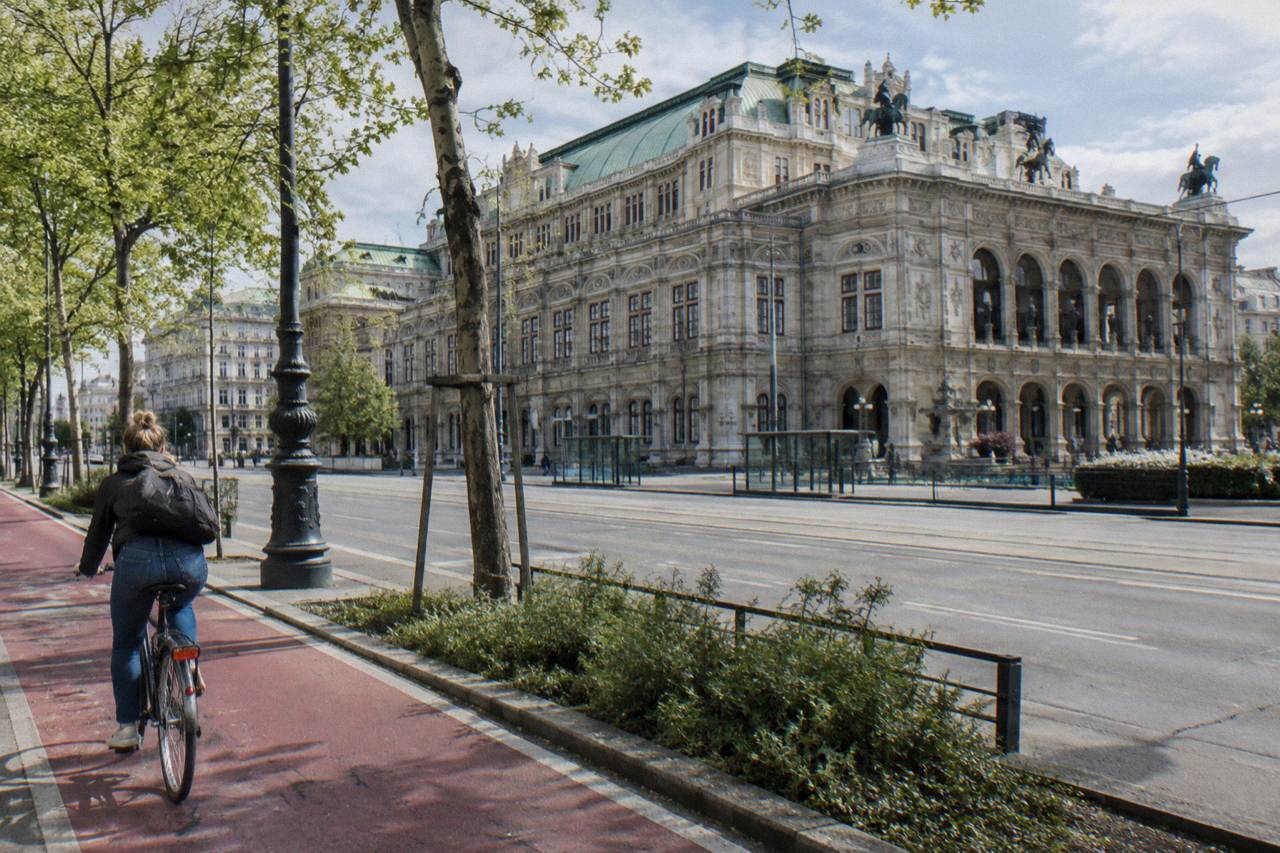
Short answer
Plan two walking days and one bike day. Book a 3 hour guided city ride such as the Classic Vienna guided tour, place it on your best-weather day, keep the Wachau wine ride as a swap if rain shifts your plans, and leave museum mornings free. Prices and durations are on the booking pages.
Three days is the most common Vienna stay, and it is long enough for one genuinely useful bike day without turning the whole trip into a cycling holiday. The city's cycle network runs to about 1,811 kilometers according to Stadt Wien's own statistics, so the constraint is never asphalt. It is deciding which of your three days earns the saddle, and what to do when Vienna's weather has other ideas.
The core plan in this guide is simple: two days on foot and public transport, one day partly or wholly on a bike. The bike day does not need the whole day either. Most guided city rides in Vienna run about 3 hours, which leaves the afternoon for a museum, a market or the Prater. If your dates allow it, a Wachau Valley wine ride can replace the city day entirely, and this guide shows when that trade makes sense.
How Should You Split Three Days In Vienna?
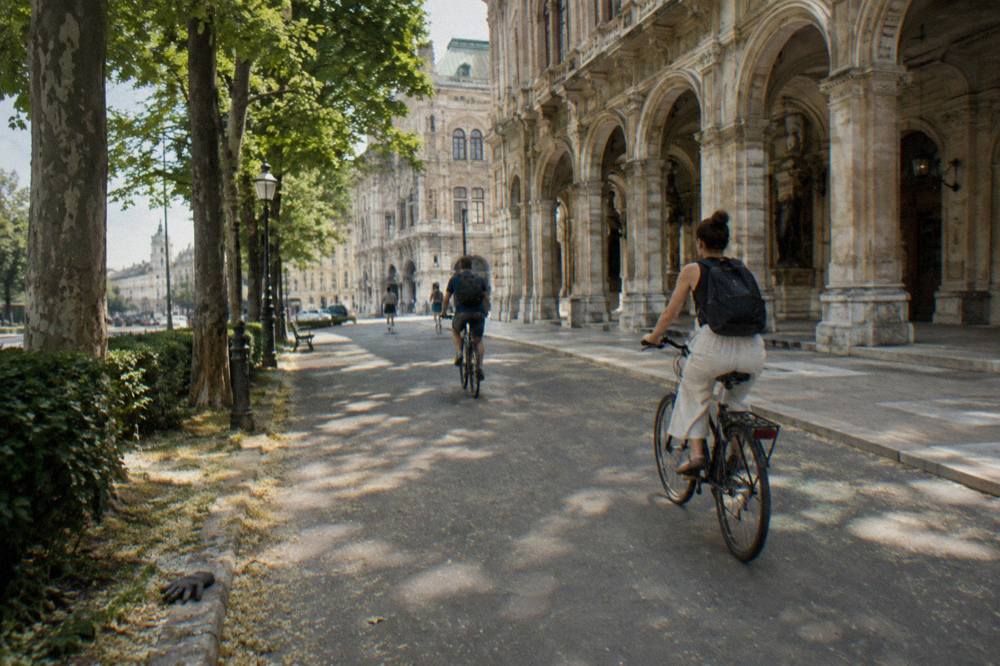
Split it as day one for the old core on foot, day two for the bike ride plus the Prater or Danube Island, and day three for one big palace, Schoenbrunn or the Belvedere, reached by public transport. This order front-loads the walkable highlights, puts the ride in the middle where you can shift it a day either way, and saves the palace queues for the morning you can arrive at opening.
Why the ride goes in the middle is practical rather than sentimental. Arriving on day one, you do not yet know how your legs feel, and jet lag and a bike lane are a poor combination. By day two you have your bearings, you recognize the Opera and the Rathaus from walking past them, and a guided ride becomes a connect-the-dots exercise instead of a blur. Day three then stays flexible: if the forecast was wrong on day two, you swap the ride forward a day and shuffle the palace instead.
The other reason is cancellations. Guided rides in Vienna typically allow free cancellation up to a day or so before departure, but check the exact window on the booking page for the tour you choose. Booking the ride for day two gives you a built-in fallback: if rain lands there, you move it to day three morning and keep the palace for the afternoon, when the garden light at Schoenbrunn is better anyway.
For the walking day, the old core is compact. Stephansdom, the Graben, the Hofburg quarter and the Museumsquartier sit within a rough rectangle you can cross on foot in under half an hour. Save the distances beyond that, Belvedere, Schoenbrunn, the Prater, for the days when a bike or a U-Bahn car does the work. Our Ringstrasse route and timing guide breaks down the boulevard circuit stop by stop if you want to pre-plan what the ride will pass.
| Day | Focus | Getting around | Anchor sight |
|---|---|---|---|
| Day 1 | Old core, coffee houses, Hofburg | On foot | Stephansdom |
| Day 2 | Guided bike ride, then Prater or Danube Island | Bike plus U-Bahn | Ringstrasse and the Danube Canal |
| Day 3 | One palace in depth | U-Bahn | Schoenbrunn or Upper Belvedere |
Which Day Should Be Your Bike Day In Vienna?
Pick the warmest, driest mid-stay day with the latest rain risk, and book the guided ride for that one, because a 3 hour city tour is the single activity in a three day Vienna plan that weather can genuinely ruin. Museums and palaces do not care about drizzle. A ride along the Danube Canal does. In late October, that usually means the afternoon slot, after the morning fog has burned off.
Vienna's climate gives you a real seasonal spread. The city's long-term July average at the Hohe Warte station is 21.9°C, while summer 2026 brought Vienna its first 40°C days and a record number of heat days, facts worth knowing in both directions: in July a midday ride can be brutal, and in late autumn the warmest window is early afternoon. Winter adds its own note, the city prioritizes winter clearing on central high-traffic bike paths and publishes a downloadable cleared-routes plan, so a winter bike day is possible but worth checking against that plan.
For a three day visit the decision is simpler than the climate data suggests. Look at the forecast the evening you arrive, pick the best of day two or day three, and book the ride for that morning or afternoon. Two tour families cover most travellers: a classic guided city ride, and an e-bike version of the same highlights for anyone who wants the hills of the Vienna Woods edge or simply less pedalling.
If your stay is in the cold months, also read our Vienna in winter and Christmas market season guide, because from mid-November the markets redraw the map of where you will actually want to spend your evenings.
What Does A Guided Vienna Ride Actually Include?
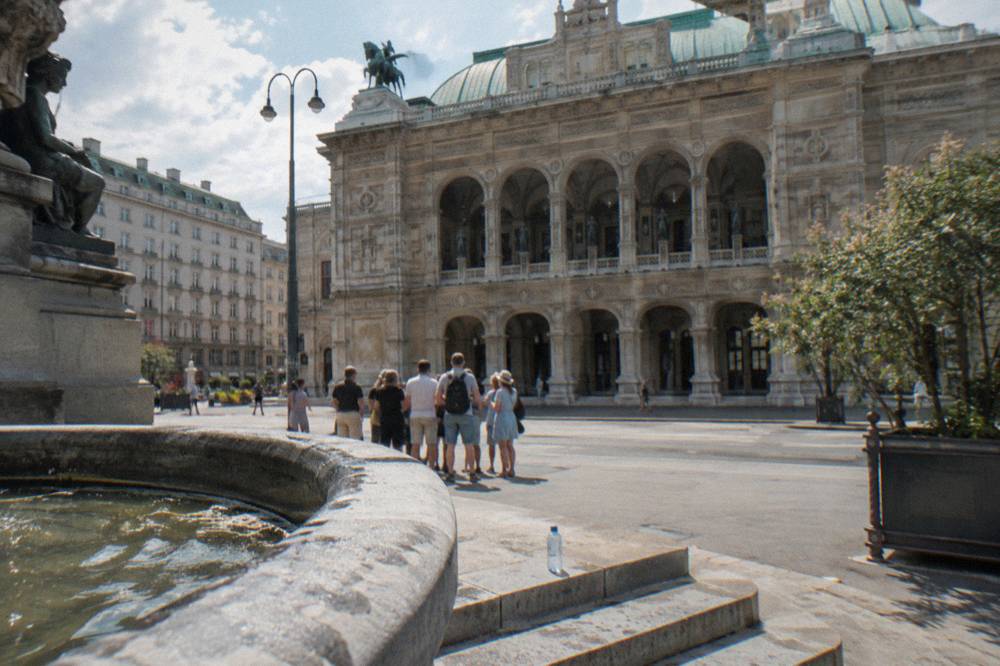
The standard city ride is about 3 hours with a local guide, a bike included in the price, and a route built around the Ringstrasse monuments and the Danube Canal paths. Meeting points are central and stated on the booking page. Helmets and child seats vary by operator, so confirm on the page before booking.
The Classic Vienna: 3-Hour Guided Bike Tour is the archetype. Three hours, a shared group, a classic bike, and a guide whose job is to turn the boulevard's architecture into a story rather than a list. What you get out of it that walking cannot give you is scale: the Ringstrasse is a circuit, roughly a loop of grand imperial facades, and doing it on foot eats half a day. On a bike it is a rolling overview, after which you can return on foot to whichever stop earned a second look.
E-bike versions cover similar ground with electric assistance, which matters more than it sounds in a city most people mislabel as flat. The edges of Vienna, toward the Vienna Woods and the western hills, reward the motor, and an e-bike also rescues a bike day for a companion who cycles rarely. For families, the child-specific questions, helmet law, trailer rules, kids' bikes, are covered in detail in our cycling in Vienna with kids guide, and it is worth reading before you pick a tour rather than after.
One helmet fact belongs here because it is new. Children must wear a helmet on any bicycle up to their 12th birthday, and since 1 May 2026 the city extends a helmet duty to children and youths under 14 on e-bikes, per Stadt Wien's cycling rules page. Adults have no general helmet duty but are advised to wear one. Ask your operator what they provide.
Where Should The Ride Go Beyond The Centre?
Give the ride two anchors: the Ringstrasse and the Danube side. The Ringstrasse rebuild, started in early October 2026 between Schottentor and Franz-Josefs-Kai, is converting the service road into a 4.50 meter two-way cycle path, so a guide who knows the current staging is worth more than any map. The Danube side, the Canal, the Prater and Danube Island, is where Vienna feels like a cycling city rather than an open-air museum. Before you clip in, a quick read of the common cycling pitfalls in Vienna will spare you the classic first-day mistakes, from tram tracks to bike theft.
The Prater deserves its slot on the bike day specifically because it pairs with a ride so well: the Hauptallee is the long tree-lined avenue the ride can use, and the Riesenrad, the giant wheel, stands at its city end. A 2026 adult Riesenrad ticket is €14.50 and a child ticket €6.50, with combi options such as the Liliputbahn pairing at €16 for adults, per the Prater's own price sheet. That is a "one ticket price quoted once" rule, so plan other admissions from the budget table below.
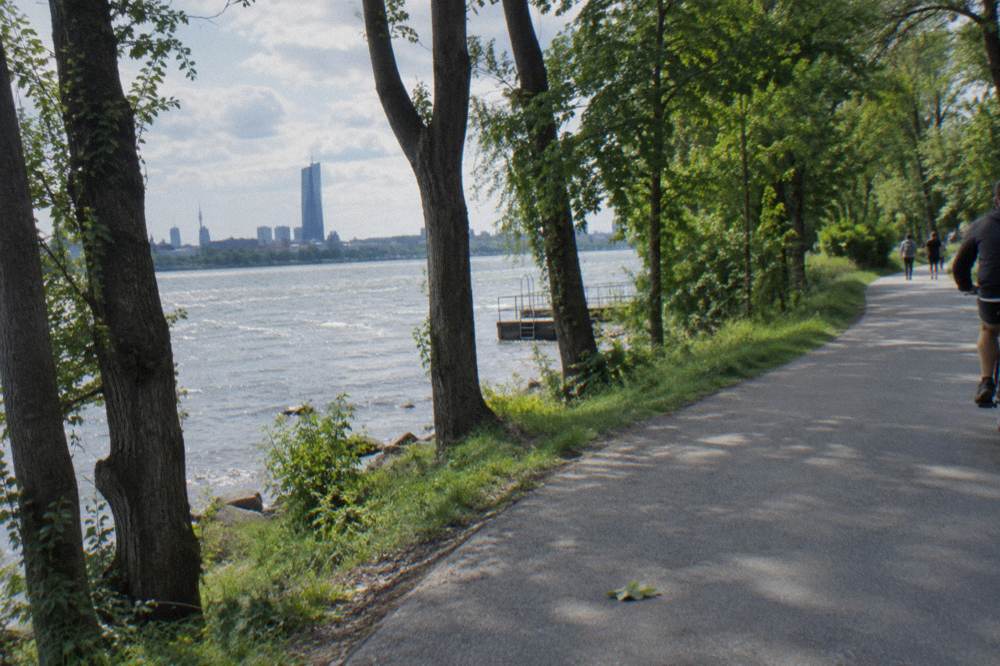
Danube Island, the Donauinsel, is the other half of the blue-and-green day. The island covers 3.9 square kilometers and carries a 135 kilometer path network, with up to 21 kilometers of paved cycling routes, figures from the city's own leisure pages. One warning worth carrying onto the island: the main path section between Nordbruecke and Floridsdorfer Bruecke stays closed for water works until 2030, with cyclists diverted via the Neue Donau path, so check the city's diversion page before you freelance beyond a guided route. Our Prater and Danube Island guide covers the full loop.
If the e-bike version of the day appeals, a dedicated Danube Island and green parks e-bike tour exists for exactly this shape of afternoon, and it pairs naturally with a morning Ringstrasse walk.
When Does A Wachau Wine Ride Replace The City Ride?
Swap the city ride for the Wachau Valley wine day trip only if your three days fall between late April and early October, you are happy to spend roughly 11 hours on the excursion, and this is your single big day out of Vienna. The bookable Wachau wine tasting bike ride from Vienna covers the valley's vineyards and river villages with tastings built in, and it replaces rather than adds to a bike day, so choose one or the other.
The valley itself is Austria's most famous cycling wine country, and the practical logistics are friendlier than most visitors expect. The Spitz to Arnsdorf roll ferry, which crosses the Danube with a bicycle and rider for €4.70, runs from spring through October, and the DDSG ships' Wachau season ran to 1 November in 2026. Apricot blossom peaks for ten days to three weeks in late March to early April, and the harvest lands in early to mid-July, both windows that change the whole character of the ride. Our Wachau Valley by bike from Vienna guide has the full planning detail. If the Wachau leaves you tempted to keep following the Danube downstream, our guide to riding from Vienna to Budapest by bike covers the border crossing, the train back, and whether to ride it yourself or join a tour.
What the trade costs you is Vienna itself. A Wachau day is a door-to-door day: hotel early, valley by mid-morning, back after dark. That is a fine use of day two if your day three is palace-and-museum anyway, but it means the Ringstrasse and the Prater never get their bike time. The honest test is simple. If you will be back in Vienna some day, do the Wachau now. If this is your one Vienna visit, the city ride shows you more of the city you actually came to see. If you are still deciding how much time the city deserves, our guide to how much time Vienna really needs lays out the whole picture.
For a ride closer to home that keeps the wine theme, there is also a 4 hour wine tasting e-bike tour that stays within reach of Vienna's own vineyard edges, tasting included, a middle path between the two.
What Should You Do If Rain Moves Your Bike Day?
Shift the ride to your other mid-stay day and swap in the museum or palace plan you were holding for it, because Vienna's indoor supply is deep enough that a washed-out day is a scheduling problem, not a lost day. Book tours with free cancellation, watch the forecast from arrival evening, and remember that drizzle on the Danube Canal paths is miserable while drizzle at Upper Belvedere is invisible from in front of a Klimt.
The mechanics of the swap matter more than the resolve. Cancellation windows differ per operator, so read the policy line on the booking page when you book, not when the clouds arrive. If day two is a washout, move the ride to day three morning and push the palace to day three afternoon, or the reverse if the forecast clears later. What you cannot recover is a Wachau day lost to weather, since an 11 hour excursion has no spare slot in a three day stay, which is one more argument for the city ride when your days are few.
The indoor bench is genuinely strong. Upper Belvedere is €23 for adults in 2026, with €19 reduced rates for seniors and students under 26 and free entry for under-19s, and the Vienna City Card brings that adult ticket down to €21.50. Schoenbrunn's State Apartments run near €28 for adults with the full Beletage palace ticket near €38. Pick one, not both, for a rain day: palace fatigue is real and three days does not forgive it.
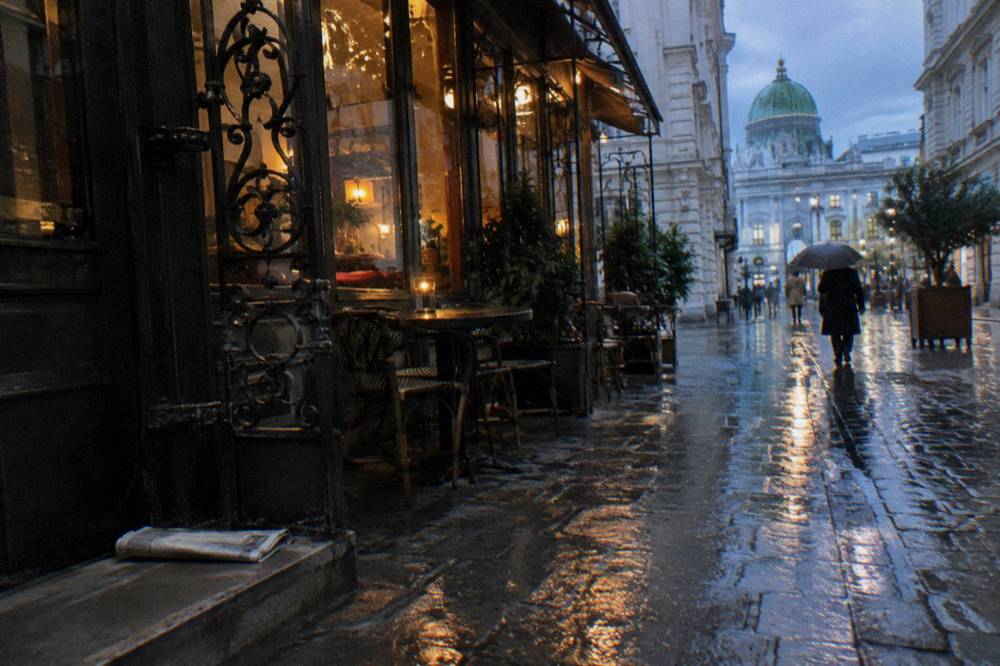
A lighter wet-weather option is the Prater's indoor side or a long coffee house afternoon, which in Vienna is a legitimate itinerary item rather than a defeat. If rain chases you off two wheels entirely, a private customizable ride is the most weather-flexible booking of the lot, since the route and timing bend around the forecast with you.
What Should The Non-Bike Days Look Like?
Day one belongs to the old core on foot, Stephansdom, the Graben, the Hofburg, with a coffee house stop as the pacing device, and day three belongs to one palace reached early by U-Bahn before the queues build. Evenings across all three days are flexible, and from mid-November the Christmas markets take them over: the Rathausplatz market runs from 13 November onward through Christmas, and Schoenbrunn's opens 6 November.
The walking day needs no bike and no ticket strategy, just comfortable shoes. Start at Stephansdom early, walk the Graben and Kohlmarkt toward the Hofburg, and pick one interior, the Imperial Apartments or the treasury, rather than queuing for several. Afternoon is for a coffee house, and Vienna's are institutions rather than cafés: sitting for an hour with one melange and a newspaper is the local version of sightseeing. Museumsquartier makes a soft landing for the early evening.
Day three is the palace morning. Schoenbrunn, out west on the U4, rewards an arrival at opening; the gardens are free to walk and the Classic Pass bundles palace and garden attractions at around €44 in season if you want the full set. The Belvedere alternative keeps you closer to the centre and puts Klimt in the plan. Either way, leave the afternoon open, because this is the day most likely to inherit whatever the bike day gave up.
For the evenings, the seasonal calendar does the planning for you. The city's official press office confirms the Wiener Christkindlmarkt on Rathausplatz runs from 13 November to 26 December 2026 with fifteen markets and 814 stalls across the city, and Schoenbrunn's market opens 6 November and runs to 6 January 2027. If your three days fall in late November or December, budget one evening per market and let the bike day slot around them; the winter cleared-paths plan above is your friend for any riding between glühwein stops.
| Attraction | 2026 ticket | Notes |
|---|---|---|
| Riesenrad | €14.50 adult, €6.50 child 3-14 | Combi with Liliputbahn €16 adult |
| Upper Belvedere | €23 adult, €19 reduced, free under 19 | City Card price €21.50 |
| Schoenbrunn State Apartments | approx. €28 adult | Full Beletage approx. €38 |
| Vienna City Card | €19 for 24 hours | Transport plus attraction discounts |
How Much Should A Three Day Vienna Bike Plan Cost?
Budget the bike day as the price of one guided tour per rider, which the booking pages state per person or per group, plus a little for refreshments; the non-bike days cost tickets and coffee. For self-guided riding instead, WienMobil Rad, the city bike share, rents standard bikes from €0.80 per started 30 minutes capped at €20 per 24 hours, with e-bikes at €3.30 per 30 minutes capped at €40, tariffs from Wiener Linien.
The guided versus self-guided question is really a time question. Three days gives you perhaps one free afternoon to learn the paths yourself; a guide converts those three hours into a curated loop with the history attached. Riders who want to extend beyond the tour can also rent independently: one Donauinsel rental shop lists comfort bikes at €35 and e-bikes at €75 for a 6 to 12 hour day, a single shop's list rather than a market average, and the shop details are in our bike share and city bikes in Vienna guide.
Full price and rating figures for every tour named on this page sit on the operators' booking pages, and they change often enough that printing them here would date the plan; check the specific listing when you book. What you can fix now is the structure: two walking days, one riding day, one palace, one market evening, and a cancellation-friendly booking so the weather cannot take the ride from you.
| Cost item | Ballpark | Basis |
|---|---|---|
| Guided city bike tour | Price on booking page | Per person, bike included |
| Wachau wine day trip by bike | Price on booking page | Per person, roughly 11 hours |
| WienMobil Rad standard bike | €0.80 per 30 min, €20 day cap | Per rental, Wiener Linien tariff |
| WienMobil Rad e-bike | €3.30 per 30 min, €40 day cap | Per rental, Wiener Linien tariff |
| One palace ticket | €23 to approx. €38 | Adult, per 2026 price sheets |

The three-day plan, in one line each: walk the core, ride the Ringstrasse and the blue side, then palace, market, home. Vienna's tourism numbers suggest the timing is not getting easier, the city recorded 14.9 million overnight stays in the first nine months of 2026, up 4 percent, and the local tourism tax rose to 5 percent of the accommodation charge from 1 July 2026, heading to 8 percent a year later. Booking the ride before you land, with a cancellation cushion, is the single cheapest piece of planning insurance available on this itinerary. More context on that choice sits in our guided ride versus renting guide, and the pages here at Bike Tours Vienna carry the route-by-route detail for every option named above.
Common Questions About Three Days In Vienna With One Bike Day
How Should You Split Three Days In Vienna?
Day one for the old core on foot, day two for the guided bike ride plus the Prater or Danube Island, day three for one palace in depth. Keeping the ride in the middle lets you shift it a day in either direction if the weather turns.
Which Day Should Be Your Bike Day In Vienna?
The warmest, driest of your two mid-stay days, usually booked as an afternoon slot outside high summer. Check the forecast on arrival evening and use a tour with free cancellation so the swap costs nothing.
Can You Do A Wachau Wine Bike Trip In A Three Day Vienna Stay?
Yes, as a roughly 11 hour guided day trip, but it replaces the city bike day rather than adding to it. It suits late April to early October dates and travellers who accept one long excursion in exchange for skipping the Ringstrasse ride.
What Does A Guided Vienna Bike Tour Include?
Typically a 3 hour shared ride with a local guide and a bike included, following the Ringstrasse highlights and riverside paths. Meeting points, helmets and child gear vary by operator, so confirm the details on the booking page.
What If It Rains On Your Planned Bike Day?
Move the ride to your other mid-stay day and swap in the palace or museum plan. Vienna's indoor options, Belvedere, Schoenbrunn, the coffee houses, absorb a wet afternoon without wasting the day.