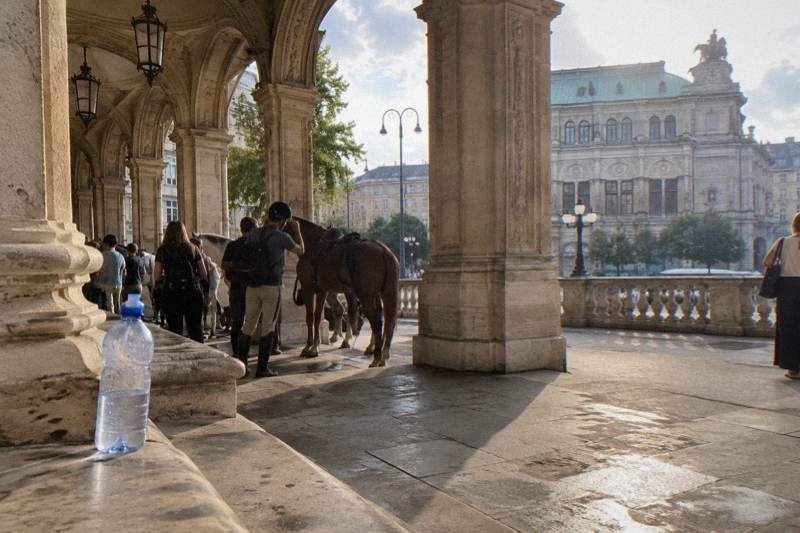
Best Time To Cycle In Vienna By Month
Vienna can be cycled in almost every month of the year, but the experience changes sharply between a 40 degree summer afternoon and a frosty December morning outside the Christmas market. Here is how the year breaks down for anyone planning to ride the Ringstrasse, the Danube Island paths or the Wachau.
Short answer
The best window for cycling in Vienna runs from late April to mid June and from early September to mid October, when daytime temperatures sit comfortably, paths are dry and the city is not yet at peak crowd. July and August bring heat that pushes riding to mornings, and December to February work best for short central loops.
Vienna sits at the eastern edge of Austria with a climate that gives cyclists a genuinely long season. The city's own cycling network runs to about 1,811 kilometres, and the authority clears a set of central high-traffic bike paths of snow through winter, so the question is rarely whether you can ride, it is which month gives you the ride you actually want. A three hour loop of the Ringstrasse in April blossom weather and the same loop in the January drizzle are two different products at effectively the same price. Whatever the month hands you, our packing and clothing guide for Vienna cyclists covers the layers, rain gear, and footwear that keep a ride comfortable from spring chill to summer heat.
This guide walks the calendar month by month, looking at heat, rain, daylight, crowds and the light itself, because those five factors decide whether a ride feels like the highlight of a trip or a chore. It also flags the seasonal events, from the Danube Island festival to the Christmas markets, that either justify a visit or clog the routes. For choosing between guided and independent riding generally, see rent a bike or join a guided ride, and for what to pack across seasons, what to wear on a Vienna bike ride.
When Is The Best Time To Cycle In Vienna?
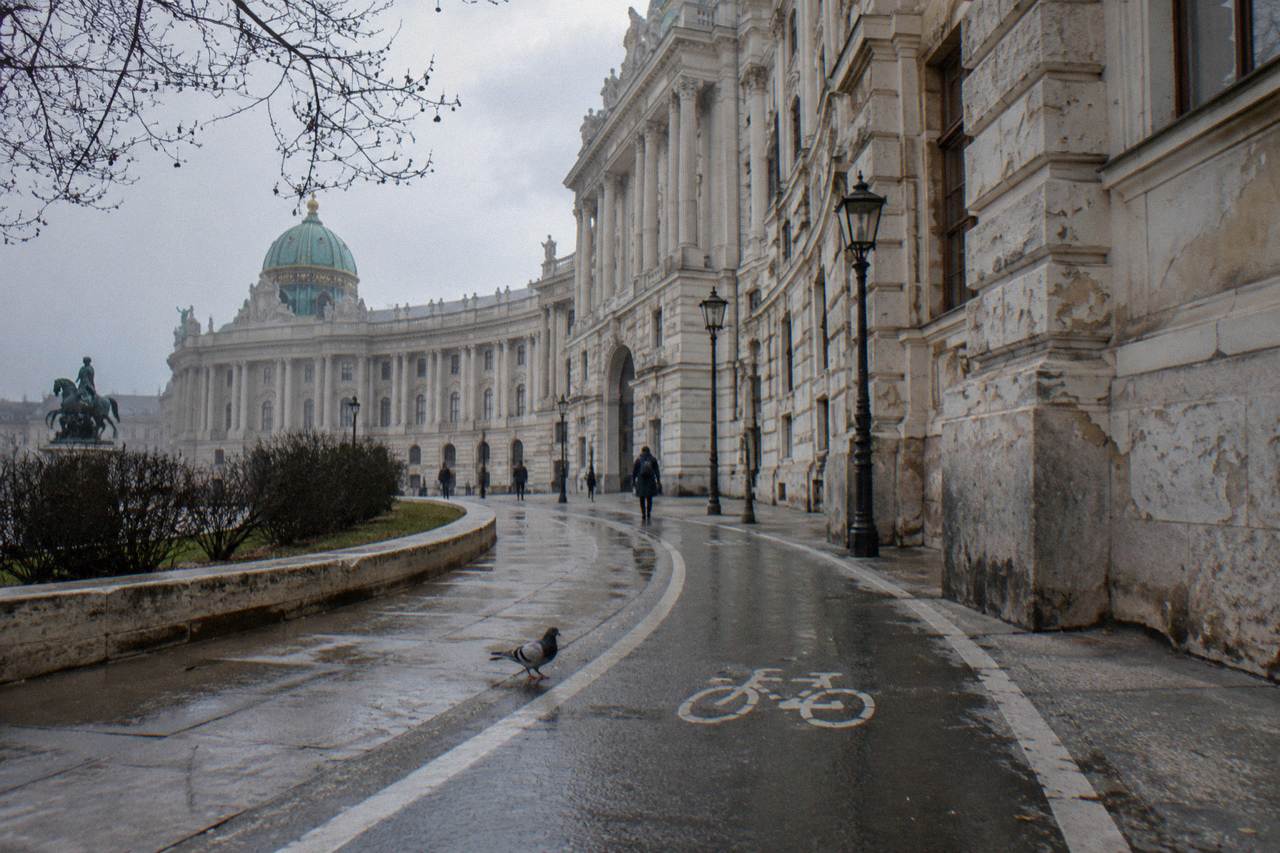
The two sweet spots are mid April to mid June and early September to mid October. In both, daytime temperatures are comfortable for sustained pedalling, rain is moderate, the paths are dry most days and hotel prices have not yet hit the summer or Christmas peaks. The shoulder months also carry the year's best riding light, blossom in spring and low golden sun in autumn, which matters on the Ringstrasse and the Danube Canal.
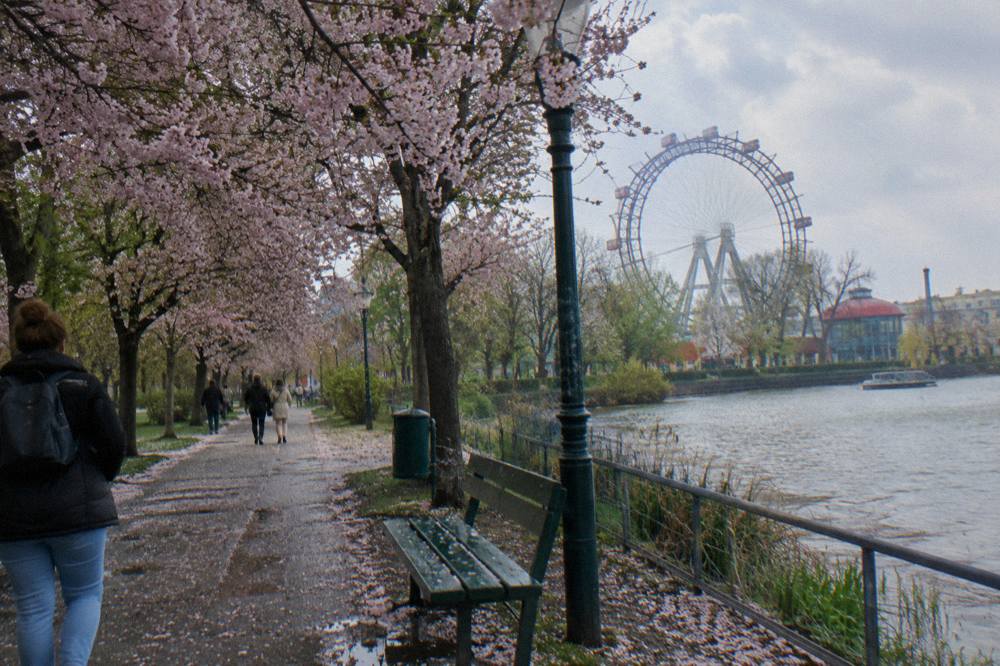
Those windows are not identical. Spring gives you lengthening days and the apricot and cherry blossom that spreads from the Wachau into Vienna's parks by late March or early April, with the peak lasting somewhere between ten days and three weeks. Autumn gives you stable, dry high pressure weeks and warm afternoons that fade earlier each week. Cyclists who care about photography lean autumn; cyclists who care about long evening rides along the Danube Island lean spring.
Summer is rideable but needs strategy. Vienna recorded its first 40 degree days and a record number of heat days in summer 2026, and the long term July average at Hohe Warte is 21.9 degrees, which tells you the city is built for warmth, not extremes. Early morning and evening rides work well in July and August, and a 3 hour guided ride in the middle of a summer afternoon is a matter of personal heat tolerance rather than a hard rule.
Winter is the honest wildcard. December to February offers short daylight, frequent grey and the chance of snow on side paths, but the Christmas market season from mid November gives central rides a payoff that no other month offers. The classic 3-hour guided bike tour of Vienna runs year round for exactly this reason: the route is compact, the stops are close together, and the operator adjusts pace to the season rather than running a fixed summer script.
What Is Vienna Weather Like Month By Month?
January and February are cold, grey and short on daylight, with the odd bright frozen day. March turns quickly with blossom by late month. April to June warm steadily into the prime season. July and August are the hot, storm-risk months. September and October cool gently with the year's most stable dry spells, and November drops into grey before the Christmas lights lift December. No month is unrideable, but the comfort band is April to October.
The table below compresses the year into the five factors that matter on a bike. Treat it as a planning range, not a forecast, and check the weather app in the final week before your ride, since Viennese spring and autumn can swing ten degrees either side of the pattern.
| Month | Typical feel for cycling | Daylight | Crowds on bike routes | Best ride window |
|---|---|---|---|---|
| Jan | Cold, often grey, cleared central paths | Short, about 8.5 h | Very low | Midday loops |
| Feb | Cold but brightening, quiet paths | Growing fast | Very low | Midday loops |
| Mar | Changeable, blossom starts late month | Rapidly lengthening | Low | Afternoons |
| Apr | Mild, showers possible, blossom peak | Long | Moderate | All day |
| May | Warm, green, prime conditions | Long | Moderate | All day |
| Jun | Warm to hot, occasional thunderstorms | Longest | Building | Morning or late afternoon |
| Jul | Hot, city's warmest month | Long | High, holiday season | Early morning or evening |
| Aug | Hot, storm risk, city quieter in weeks | Long | High early, easing late | Morning or evening |
| Sep | Warm, dry, stable | Shortening | Moderate | All day |
| Oct | Mild to cool, golden light, autumn colour | Shortening | Moderate | Afternoons |
| Nov | Grey, cool, first frost risk | Short | Low | Midday, markets open |
| Dec | Cold, dark, festive centre | Shortest | Low on paths, busy markets | Midday market loops |
Two seasonal mechanics sit behind the table. First, Vienna's heat concentrates in late June through mid August, and when it peaks, the Danube Island and the Prater tree cover become the sane routes, not the open Ringstrasse. Second, the city's crowd peak tracks school holidays and the Christmas market season, both of which you can plan around once you know the dates: the Wiener Christkindlmarkt on Rathausplatz runs from 13 November to 26 December 2026, and the Schönbrunn market opens on 6 November and runs into early January.
If you are picking one tour to anchor a shoulder-season trip, the three options below cover the classic city loop, an e-bike version that flattens the heat and hills question, and a small-group alternative.
When Is Vienna Too Hot For Cycling?
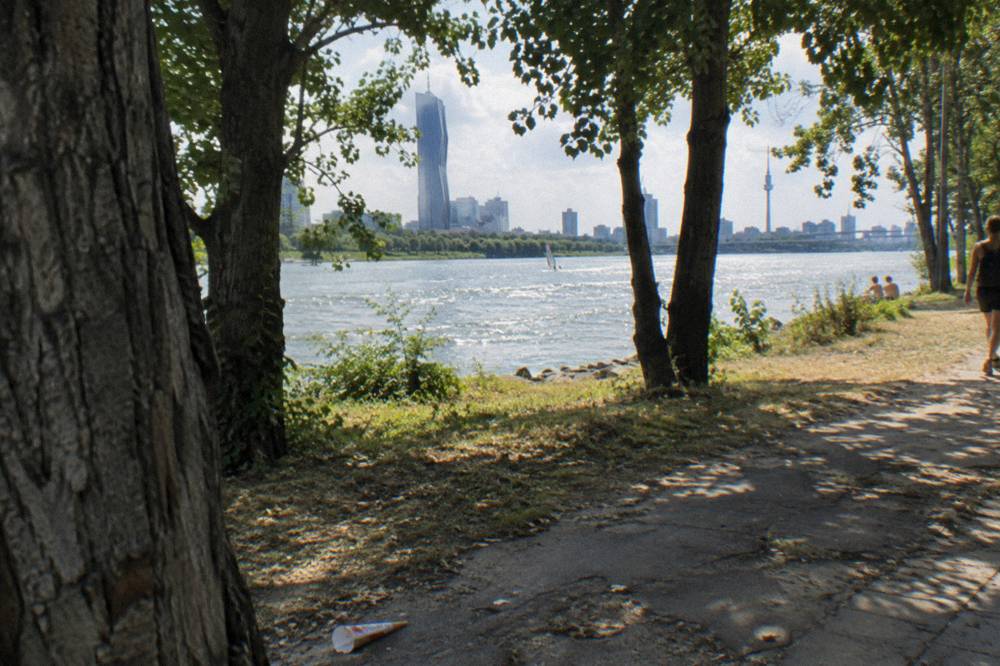
Vienna becomes genuinely too hot for a midday ride when temperatures push past the mid thirties, which in recent summers has happened for stretches from late June through mid August, including the city's first 40 degree days. On those days the workable windows are before about 10 in the morning and after 18:00 in the evening, and routes with tree cover or water nearby, the Prater avenues and the Danube Island, beat the open Ringstrasse.
The heat question is really a route and timing question. The Donauinsel carries about 21 kilometres of paved cycling routes inside a 135 kilometre path network, almost all of it near water and much of it under trees, which makes it the city's natural summer escape. An e-bike tour built around the Danube Island and the green parks along the New Danube takes advantage of exactly this: less effort per kilometre means less heat generated per hour on the saddle, and the operator's listing shows the meeting point and what is included. If the Danube Island has you wondering about the rest of the country, this guide to cycling across Austria covers the Danube routes and alpine climbs well beyond the capital.
Thunderstorms are the second summer factor. June through August can produce short, heavy afternoon storms that leave paths slick with wet leaves and tram-rail grease, particularly on the Danube Canal route, where painted markings and rails demand dry-condition respect. If your visit falls in that window, book the guided ride for the morning slot and keep the afternoon flexible. Operators run in light rain with rain gear, but they will cut or move a ride when a storm line is forecast, and the booking page states the cancellation terms.
Heat also changes what you should carry. Water refill points exist on the Danube Island and in the Prater, but a three hour ride in July heat needs more than one bottle, and helmets, which are mandatory for children up to their 12th birthday in Austria and, since a 1 May 2026 rule change, for children and youths under 14 on e-bikes, get noticeably hotter at rest stops. Ask the operator about children's helmet provision when you book, and check the rules page if you are riding with kids on e-bikes.
| Summer factor | What it does to a ride | Practical answer |
|---|---|---|
| Peak heat, mid 30s plus | Drains energy on open stretches | Ride before 10:00 or after 18:00 |
| Tree cover on route | Cuts felt temperature noticeably | Prefer Prater and Danube Island loops |
| Afternoon thunderstorms | Slick rails and paths for an hour after | Morning tour slots, flexible afternoons |
| Long daylight, 16 h plus | Long evening rides become normal | Shift the big loop to 17:00 onward |
| Holiday-season crowds | Busier Ringstrasse and photo stops | Early starts, weekday mornings |
What Is Cycling In Vienna Like In Spring?
Spring is the season the city earns its cycling reputation. From late March the apricot and cherry blossom moves through the Wachau and into Vienna's parks, with the peak lasting roughly ten days to three weeks, daylight stretches past twelve hours by late March and past fifteen by late May, and temperatures climb from jacket weather into short sleeves without the summer heat. Crowds build through May but stay below August levels until mid June.
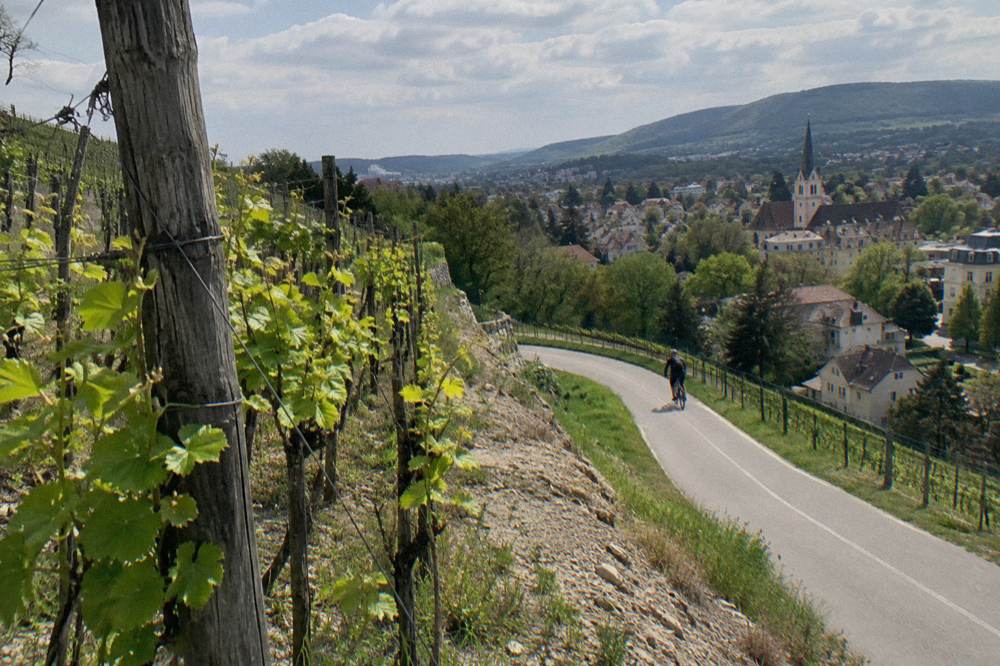
The blossom window deserves a trip of its own. The Wachau apricot blossom, typically late March to early April, is close enough to Vienna for a day trip, and a wine country e-bike tour through the vineyards on the city's edges hits its best visual month in May, when the vines leaf out and the tasting terraces open their outdoor seating. The operator of the wine tasting e-bike ride includes the tasting itself, and the listing states the meeting point and duration, around four hours, which fits comfortably into a warm spring afternoon.
Spring rain is the one trade-off. April in particular mixes glorious weeks with showery ones, and a shower that passes in twenty minutes still leaves the Danube Canal path slippery. The practical pattern regulars use is to hold the guided tour booking for the first full day of a trip, then use the forecast to shift it: the classic 3-hour guided ride, described in more detail in what is the classic guided bike tour, has a morning departure structure that makes a next-day move easy, and the operator's listing shows free cancellation terms.
One spring event worth planning around rather than into: the Bike Festival on Rathausplatz, which in 2026 ran in late March with a mass ride, fills the central squares with bikes and crowds for a weekend. It is a spectacle if bikes are your thing, and a congestion event if a quiet Ringstrasse loop is. Check the city's event calendar for the next edition's dates.
Is Autumn A Good Time To Cycle In Vienna?
Autumn is arguably the best season of all for cycling in Vienna. September delivers warm, dry, stable air with the summer crowds gone, October adds low golden light and colour along the Prater avenues and the Danube Island, and the wine harvest season puts new energy into the vineyard rides on the city's hills. The only countdown is daylight, which shortens visibly week by week from mid September onward. If you want to fit a riverside ride into those shorter days, our guide to Danube cycling times from Vienna shows how far the flat riverside paths can carry you before dusk.
September's stability is the hidden asset. The summer thunderstorm risk fades, the heat retreats, and the city settles into long stretches of dry high pressure that make a full day ride, whether the Ringstrasse loop, the Danube Island or a Wachau day trip, a low-risk plan. The bookable Wachau day trip runs roughly eleven hours door to door, and the September version of it rides through vineyards in harvest, which for many people is the single best cycling day Austria offers. The Wachau wine country has its own guide at Wachau Valley by bike from Vienna.
October is the photographer's month. The low sun turns the Ringstrasse facades gold in the last hour before sunset, the Prater's main avenue colours up, and the Danube Island paths empty out after the summer season winds down. Temperatures still support afternoon riding most years, though gloves and a layer become sensible by the last week. The imperial-and-green e-bike format suits October well, since the hills above the city hold their colour longer than the flat riverside routes.
The Danube Island itself enters a quieter phase in autumn, and one construction note applies to route planning in every season: the main path section between Nordbruecke and Floridsdorfer Bruecke stays closed for water works until 2030, with cyclists diverted via the Neue Donau path. The city maintains a diversion page worth a look before any Island ride, and the general route picture is covered in cycling the Prater and Danube Island.
Can You Cycle In Vienna In Winter?
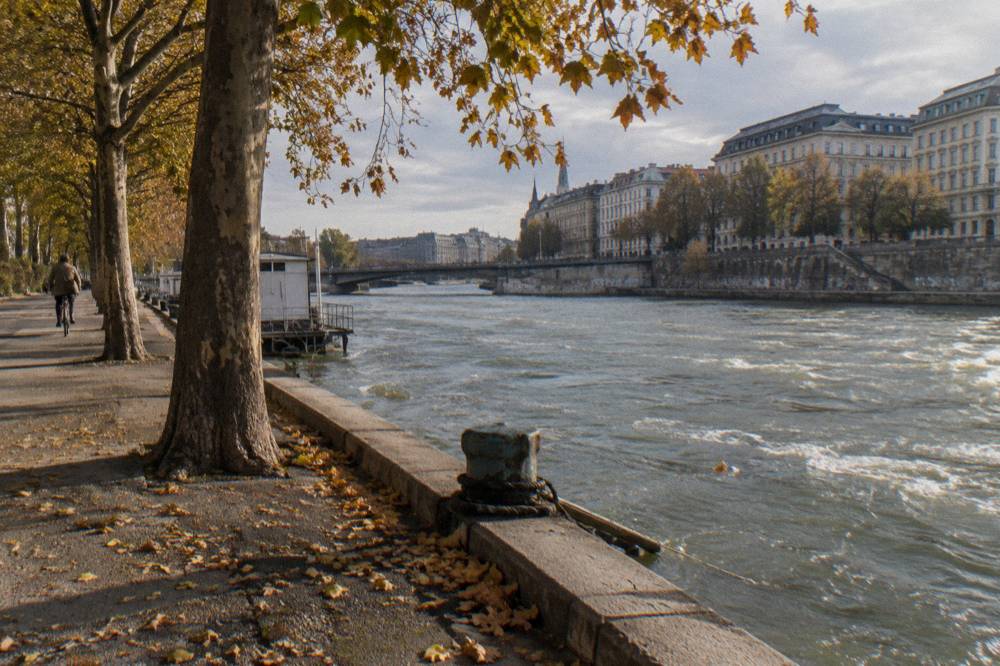
Yes, winter cycling in Vienna works with some adjustments. Central high-traffic bike paths get priority winter clearing and the city publishes a downloadable plan of open routes, so main commuter axes stay rideable through most weather. Daylight shrinks to roughly eight and a half hours in December and January, temperatures sit in the low single digits or below, and Christmas markets, Schönbrunn from early November and Rathausplatz from mid November, make a short central loop genuinely festive.
Winter riding in Vienna is a short-loop discipline. The classic three hour guided format still runs, and its compact centre route, Ringstrasse landmarks plus the old town, works at winter pace because the stops are minutes apart and the cafes are always close. Cold-weather gear matters more than route ambition: gloves, a windproof layer and something under the helmet, the full kit reasoning is in the what to wear guide.
February is the month to be sceptical about. The grey can settle in for a week at a time, and while the cleared paths are rideable, the light for photography is flat and the wind off the Danube cuts. The compensation is that you will share the routes with almost nobody, and the city's museums and coffeehouses, a warm stop every hour or so, are a five minute detour from anywhere central.
If you are combining a winter visit with the markets, time the ride for midday, both for warmth and for the eight and a half hours of usable light. The market squares themselves are pedestrian-dense by late afternoon, so the pattern is a morning or midday ride past the facades, then the markets on foot afterwards. That planning logic, market timing, light and route length, is laid out month by month in Vienna in winter and Christmas market season.
| Winter month | Conditions | What still works well |
|---|---|---|
| Nov | Grey, cool, markets opening | Midday central loops, market visits |
| Dec | Cold, short days, festive centre | Classic 3-hour guided ride at midday |
| Jan | Coldest stretch, cleared main paths | Short loops, museum stops |
| Feb | Grey but brightening | Quietest paths of the year |
When Are Vienna's Crowds And Events Busiest?
The crowd peaks track three things: the summer holiday season from July through mid August, the Christmas market run from mid November to late December, and single events like the Danube Island festival, which in 2026 drew three days of crowds in early July, and the City Marathon in spring, held in 2026 on 19 April. Outside those windows, Vienna's bike routes absorb visitors easily, and the shoulder months of May, June, September and October feel calm by comparison.
Event effects on cycling are specific. Marathon day closes central streets for most of the morning, the Donauinselfest turns the island into a festival ground for its weekend, and market season packs the squares but leaves the bike paths themselves largely clear. The pattern to hold onto: check the city's event calendar for your dates, and if a big event lands, shift the ride to the river routes, the Danube Island or the Danube Canal, which keep flowing when the centre gridlocks.
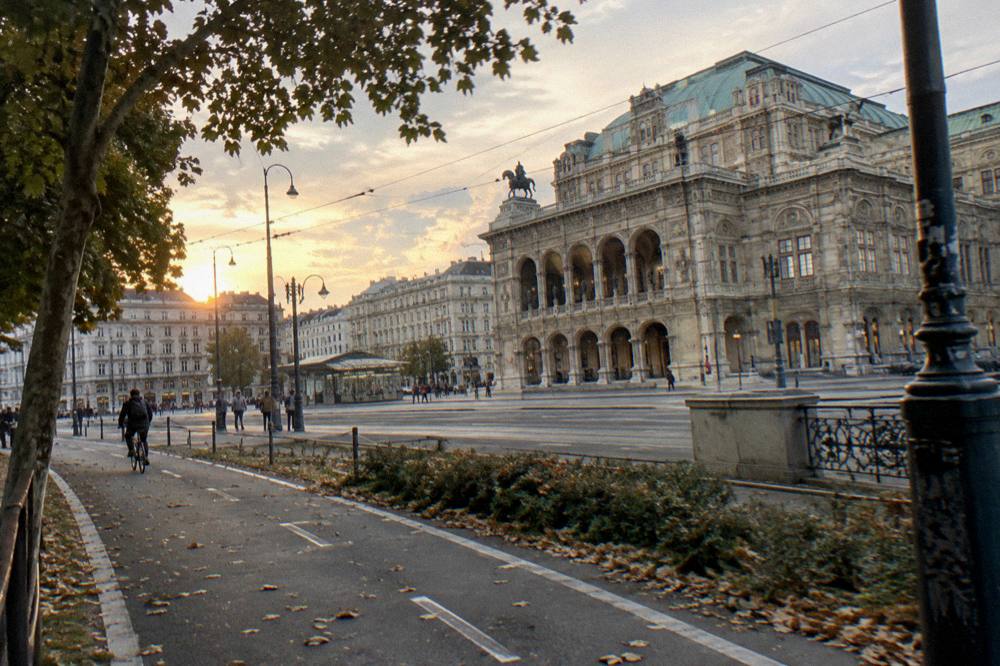
One infrastructure note interacts with the crowd calendar: the Ringstrasse bike path is being rebuilt in stages, with the first section of works starting in early October 2026 between Schottentor and Franz-Josefs-Kai, converting the service road into a 4.50 metre two-way cycle path with the first phase targeted for summer 2027. During the works the Ringstrasse ride is still possible, guides reroute around the active section, but expect detour signage and check the operator's meeting point note when you book. The full route picture is in cycling the Ringstrasse.
Crowd-avoidance, in one sentence each: ride weekdays not weekends in July and August, ride market season midweek in December, and treat May, June, September and October as the months when you can show up almost anywhere at almost any hour and get a clear path.
Which Month Should You Book A Guided Ride?
Book May, June, September or early October for the most comfortable guided ride, with midday slots and full route availability. Book July and August mornings if summer is your only window, and e-bike formats beat classic bikes in that heat. Book November and December midday slots for the market atmosphere, and accept the shorter light. The classic 3-hour guided tour runs across the calendar and adjusts pace to the season.
The month you choose shapes the format more than most people expect. Heat argues for e-bikes and morning slots; cold argues for compact centre routes; blossom and harvest argue for the wine country rides on the city's edges. The infographic below shows how the year maps onto comfort, daylight and crowd pressure for a typical guided ride.

A booking tactic that works in every season: pick the date first, the tour second, exactly as most seasonal planners do, and hold the guided ride for day one of the trip so the forecast can still move it one day either way. Operators on this site's pages run with free cancellation, and the booking page for each tour states the exact terms, the meeting point and what is included, from the bike itself to the helmet policy for children, so the details that vary by operator are all in one place before you commit.
Between the three formats shown below, the choice is really about season: the classic tour is the year round default, the e-bike version is the summer answer, and the small-group format suits the shoulder months when you want space to linger at stops. Whatever the month, Bike Tours Vienna keeps each operator's current details on its tour page.
Common Questions About The Best Time To Cycle In Vienna
What Is The Best Time To Cycle In Vienna?
Late April to mid June and early September to mid October. Temperatures are comfortable, paths are mostly dry, crowds are below their summer peak, and the light, blossom in spring, golden and low in autumn, is at its best for a Ringstrasse or Danube ride.
Is Vienna Too Hot For Cycling In Summer?
Midday can be, especially in July and August after the city recorded 40 degree days. Ride before 10:00 or after 18:00, prefer shaded routes like the Prater and the Danube Island, and consider an e-bike format to cut the physical effort in the heat.
Can You Cycle In Vienna In Winter?
Yes. The city clears central high-traffic bike paths of snow and publishes a plan of which routes stay open. Daylight drops to about eight and a half hours, so plan midday loops, and use the Christmas market season, mid November onward, as the reward for a short central ride.
When Does The Blossom Arrive In Vienna And The Wachau?
The Wachau apricot blossom typically runs late March to early April, with the peak lasting ten days to three weeks, and the blossom spreads into Vienna's parks shortly after. Late April into May is the safest window to catch green canopy and mild weather together.
Which Month Has The Fewest Crowds On Vienna's Bike Routes?
February, followed by January and November. You trade comfort and daylight for near-empty paths. If you want quiet without winter, late September and early October come closest in rideable conditions.
Does The Ringstrasse Construction Affect Guided Bike Tours?
The Ringstrasse bike path is being rebuilt in stages, with the first section between Schottentor and Franz-Josefs-Kai under works since October 2026 and the first phase targeted for summer 2027. Rides still run, guides reroute around the active section, and the operator's meeting point note on the booking page reflects the current layout.