How Long Does It Take To Cycle The Danube River?
Cycling times along the Danube from Vienna, what a guided day trip covers, and how the river's flat paths shape your schedule.
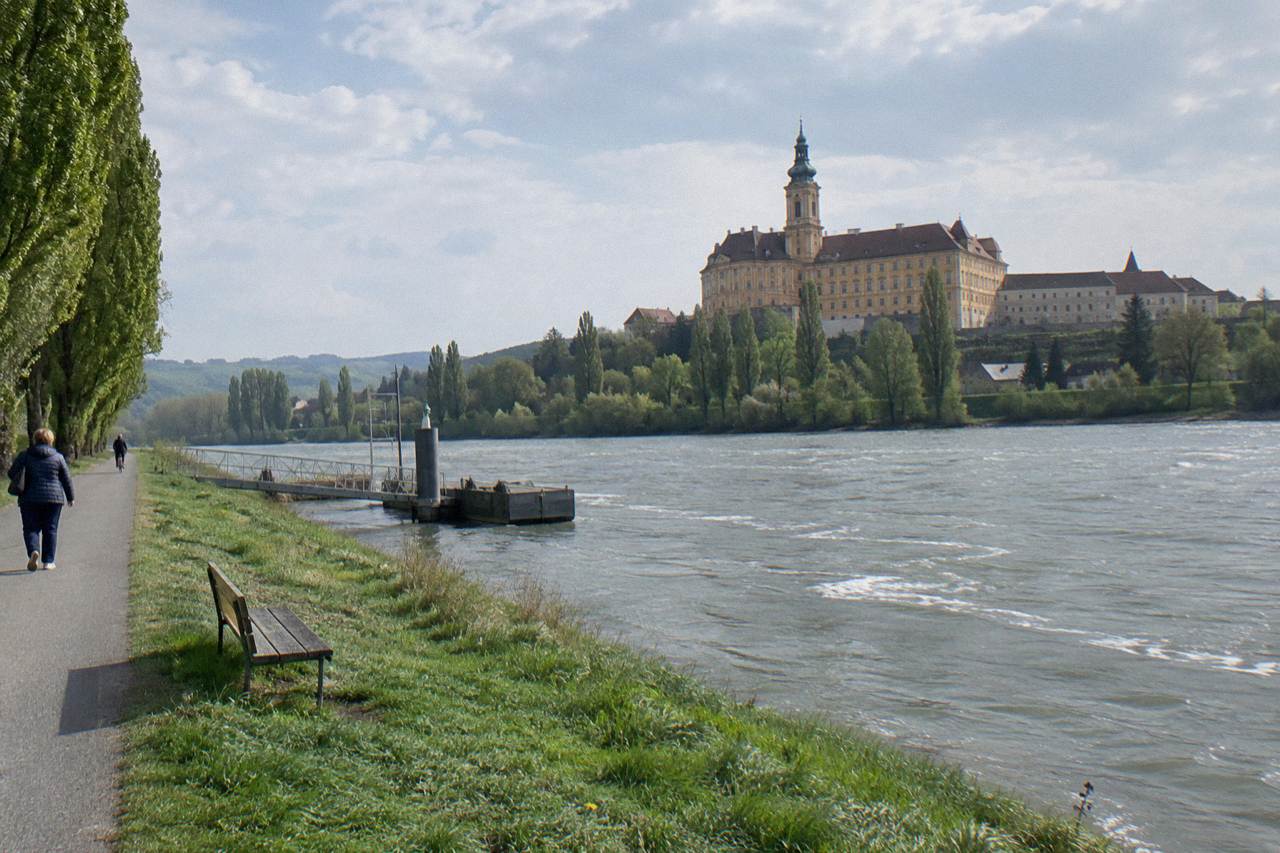
The Danube carries a lot of cycling mythology with it. People picture a single endless path from Germany to the Black Sea and assume one number answers the timing question. In practice the river splits into very different riding experiences: a three-hour loop inside Vienna, a full-day excursion into the Wachau wine country, or a multi-week touring project covering whole countries. The timing question only makes sense once you pick which Danube you mean.
Vienna sits in the middle of the answer. The city's total cycling network runs to about 1,811 kilometers, and the Danube corridors through it, the Danube Island with up to 21 kilometers of paved routes and 135 kilometers of paths overall, plus the Danube Canal through the center. From Vienna you can sample the river in an afternoon or use it as the launch point for the most celebrated wine valley ride in Austria. This page walks through the realistic time budgets for each version. If you're wondering how the rest of the country measures up beyond Vienna, this guide to Austria as a cycling destination covers everything from riverside paths to alpine climbs.
There is no single distance figure for the whole river that this article can responsibly print, but the practical answer splits cleanly: a Vienna riverside loop is a 2 to 3 hour outing, a guided Wachau day trip from Vienna runs roughly 11 hours door to door, and riding the full river end to end is a multi-week expedition. The timing depends far more on which section and format you choose than on your fitness, because the paths beside the Danube are famously flat and well maintained.
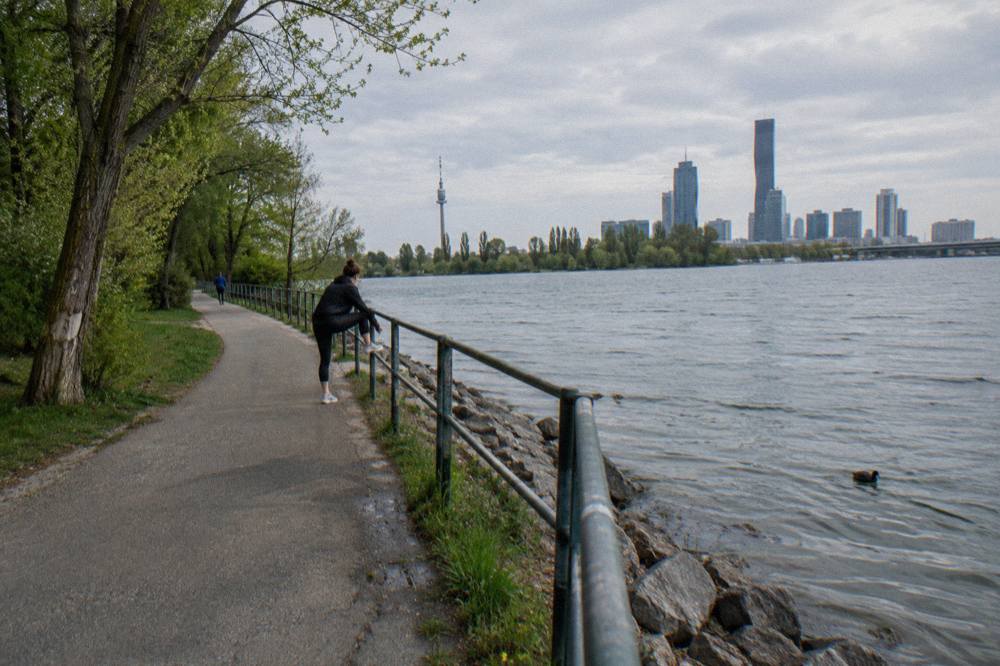
Start with the smallest unit. Inside Vienna itself, the Danube Island offers the easiest long ride in the city: the island carries 135 kilometers of paths in total, with numerous asphalted stretches of up to 21 kilometers. A rider crossing the island and returning along the Neue Donau can fill a relaxed morning without ever leaving traffic-free ground. That is the Danube at its most accessible, and it asks for nothing more than a few free hours and a bike. If the island leaves you wondering how far the riding stretches beyond the city, our guide to cycling along the Danube covers the banks, islands and guided rides waiting upstream.
The next step up is leaving the city westward into the Wachau, the terraced wine valley between Krems and Melk. This is the stretch Austrian cycling is famous for, and it is the one most Vienna visitors can realistically ride. The bookable day trip version, the Wachau Valley Wine Tasting Bike Tour from Vienna, lists a duration of roughly 11 hours, which tells you honestly what a Wachau day costs in time: train transfer, several hours in the saddle between villages, tastings, and the return leg. For a deeper look at that route, see the site's guide to Wachau Valley bike trips from Vienna.
The full-river version is a different sport. Crossing whole countries along the Danube Cycle Path is a touring project measured in weeks, not days. For that scale of question the site has a dedicated breakdown in How Long Is The Danube Cycle Path, which handles the end-to-end planning numbers. This page stays with the sections you can ride from Vienna in a day or a weekend.
Here is the whole timing picture in one place, using only the durations the sources actually state:
| Danube experience | Realistic time budget | What sets the timing |
|---|---|---|
| Danube Canal stretch in central Vienna | Under an hour | Distance is short; the path is continuous and flat |
| Vienna riverside loop, canal plus Danube Island | 2 to 3 hours | Stops for swimming, views and coffee breaks |
| Guided city tour covering river corridors | 3 hours, as listed | Fixed guide schedule, set route |
| Guided Wachau wine day trip from Vienna | Roughly 11 hours, as listed | Train transfer, riding, tastings, return leg |
| Full Danube end to end | Multiple weeks | No verified single figure; a touring project across countries |
What Does A Guided Danube Day Trip Look Like?
A guided Wachau day trip from Vienna typically starts in the morning with a transfer out of the city, spends the middle of the day cycling between riverside villages with wine tastings, and returns to Vienna by early evening, with roughly 11 hours the stated total. The guide handles the route, the bike logistics and the tasting stops, so the whole day runs on one clock instead of several train and ferry timetables.
The appeal is not just convenience. The Wachau's best experiences, cellar tastings in villages like Spitz and Weissenkirchen and apricot orchard lanes above the river, are scattered along a corridor where timing matters. The DDSG ships that serve the valley run their season from 28 March to 1 November, with the main season 25 April to 4 October, so a self-planned day has to line up with those sailing windows. A guided itinerary builds the day around them.
Independent riders have good tools too. The Spitz-Arnsdorf roll ferry, which carries a bicycle including its rider for 4.70 euros, crosses the river on a schedule running roughly from early morning to 19:00 in season, and a Krems to Melk ship ticket costs 40 euros one way or 49 euros return. There is even a combined Wachau Ticket bundling the train from Vienna, a DDSG ship between Melk and Krems in one direction, and Melk Abbey entry. The official DDSG Wachau timetable is the page to check before planning any self-guided version around a sailing.
The pieces a self-planned day has to budget for, at the prices the sources state:
| Wachau logistics item | Stated price | Notes |
|---|---|---|
| Spitz-Arnsdorf roll ferry, bicycle including rider | 4.70 euros | Runs March to October, daily into the early evening in season |
| Krems to Melk ship, one way | 40 euros | DDSG seasonal service |
| Krems to Melk ship, return | 49 euros | Same season window as above |
| Wachau Ticket | Varies by seller | Bundles train from Vienna, one ship leg and Melk Abbey entry |
| E-bike rental in Spitz and Melk | 38 euros per day | One Wachau operator's listing |
What a guided tour adds is the removal of exactly those variables. The Wachau Valley Wine Tasting Bike Tour from Vienna arranges the day so the riding, the tastings and the transfers interlock, which matters when you have one day and a valley full of options. Check the booking page for the current meeting point, inclusions and seasonal pricing, since those details sit with the operator.
How Fast Do Cyclists Move On The Flat Danube Paths?
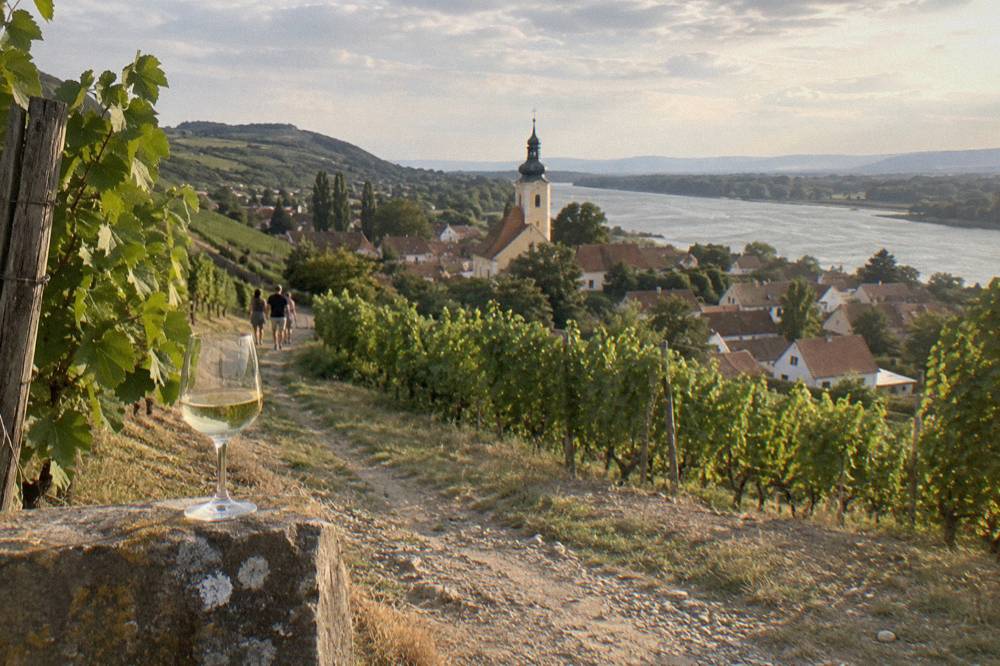
On the flat, traffic-free paths beside the Danube most casual riders settle into a relaxed touring pace, and the day's duration is usually set by stops rather than speed: tastings, ferries, photo breaks and lunch dominate the schedule far more than pedaling effort does. The river corridor removes the two things that slow cyclists elsewhere, climbing and traffic, so hours in the saddle translate into steady distance without the fatigue of alpine riding.
This flatness is why the Danube suits every level of rider. Families, older cyclists and first-time bike tourers all manage the Vienna stretches comfortably. The Danube Island's paved network is entirely separated from cars, and the riverside routes in the Wachau run along levee paths and quiet village lanes. No source this article draws on states an average speed for any specific tour, and inventing one would mislead, so treat pace as personal: plan around your stops, not a target velocity. If the Vienna stretches leave you curious about spending more time on two wheels in the city, our guide to Vienna's bike-friendliness covers what a visitor can expect from its paths and terrain.
One thing that does change pace decisions in Vienna is the ongoing construction. A section of the main Danube Island path between Nordbruecke and Floridsdorfer Bruecke stays closed for water works until 2030, with cyclists diverted via the Neue Donau path, and the city's diversion page tracks the current state. That is a detour of a few minutes, not a barrier, but it affects which riverbank you choose.
If even flat riding sounds like more effort than a holiday day should hold, an e-bike tour compresses the equation further. The Vienna E-Bike Tour with Danube Island and Green Parks covers the riverside and park network in a listed 3 hours, battery assistance doing the work that pace would otherwise demand. It is the format to pick when you want the river scenery without turning the day into an endurance item.
How Long Does The Vienna Stretch Take On Its Own?
Vienna's own Danube riding needs only half a day: a loop taking in the Danube Canal embankment and the Danube Island fits comfortably in 2 to 3 unhurried hours, and a shorter taste of the canal takes under an hour. The city's cycling network of roughly 1,811 kilometers means you can stitch riverside sections into almost any route through town.
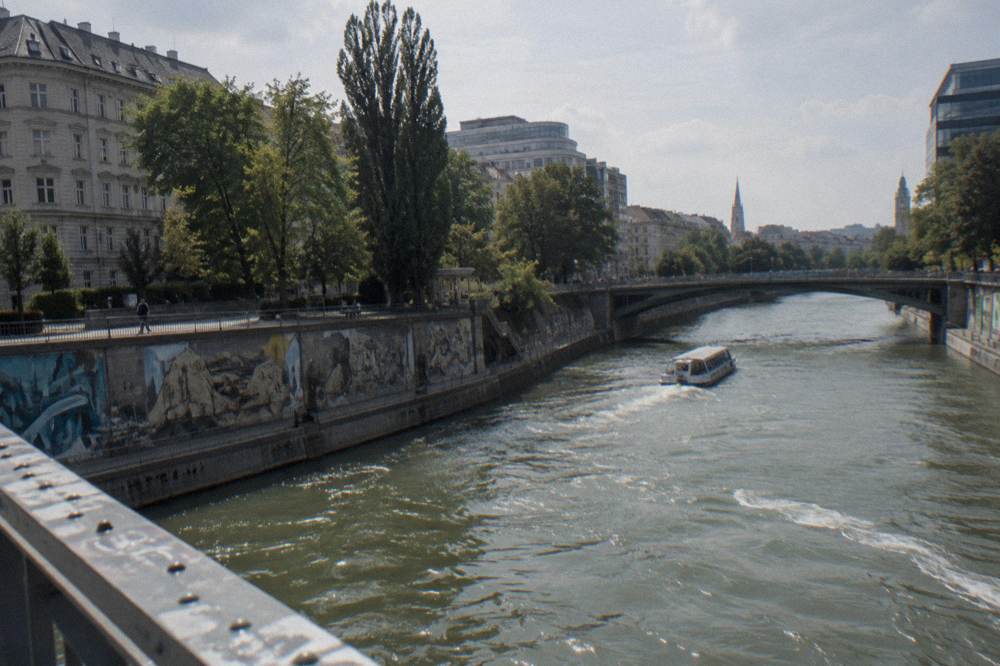
The canal is the warm-up act. It cuts through the center, lined with a continuous path and the famous graffiti walls, and it links the historic core to the Prater green belt. Riders heading from the Ringstrasse out to the Danube Island naturally follow it. The site's Danube Canal cycling route guide covers the stops and timing in detail, including how the canal connects to the Prater's tree-lined avenues.
The island is the main event for time-limited visitors. With up to 21 kilometers of paved routes and 135 kilometers of paths overall, it scales to whatever window you have: a quick out-and-back by the water, or a full circuit using the bridges. Swimmers share the island in summer, and the beach sections make natural turnaround points. On a bike-share WienMobil Rad, at 0.80 euros per started 30 minutes capped at 20 euros per 24 hours, even a long island exploration stays cheap.
For visitors who want the geography explained rather than just ridden, a classic guided city tour is the efficient option. The Classic Vienna 3-Hour Guided Bike Tour, rated well with a large review pool, covers the center's headline sights in a listed 3 hours, and the Danube-side districts sit within reach of similar routes. It answers the timing question by fixing it: three hours, guide-led, done.
Which Season Changes The Danube Timing?
Season barely changes how long the riding takes, but it changes what is open: ship services on the Wachau run roughly 28 March to 1 November with the main season late April to early October, and winter riders in Vienna should stick to the centrally cleared paths. Timing your trip to the calendar matters more than timing it to a stopwatch.
Summer 2026 gave the region a preview of why shoulder seasons appeal. Vienna recorded its first 40-degree days and a record number of heat days, which turns a midday Wachau climb into something to plan around rather than improvise. The long-term July average at Hohe Warte sits at a mild 21.9 degrees, so the extremes are not the norm, but the trend line is worth knowing when you pick a month. The site's month-by-month best time to cycle in Vienna guide has the full breakdown.
Autumn and spring carry their own draws. The Wachau apricot blossom peaks for 10 days to 3 weeks sometime from late March into early April, and the harvest lands in early to mid July in an average year. Between those bookends the wine villages hold their quiet season, when tasting rooms have time to talk. November onward the DDSG season closes and the valley quiets down, though Vienna's own riverside paths keep running, with the city prioritizing winter clearing on central high-traffic bike paths and publishing a downloadable plan of which routes stay open.
The seasonal exception to plan around right now is the Christmas market window. The Rathausplatz market runs from 13 November to 26 December and Schoenbrunn's opens 6 November, and both pull big evening crowds into the center. Riding the canal path past a lit Rathauspark in late November is a genuinely Viennese version of the Danube experience, just one that rewards a warm layer.
Should You Ride Guided Or Plan The Danube Yourself?
Guided tours win on time efficiency: a fixed listed duration, no timetable research, and logistics like bikes and tastings pre-arranged, while self-planned riding wins on flexibility and cost, especially using bike-share in Vienna and the train into the Wachau. Neither is the wrong answer; they solve different versions of the timing question.
The self-planned version rewards riders who enjoy the puzzle. Vienna to Melk trains run every 30 minutes with an average journey of about 51 minutes, so the valley is reachable without a car, and e-bike rental on the spot is available, with one Wachau operator in Spitz and Melk listing 38 euros per day. Bring your own legs and the levee paths do the rest. The trade is that every ferry, ship and cellar hour is yours to line up.
The guided version converts that research time into riding time. For the Wachau, the day trip format with wine tasting is the strongest fit: roughly 11 hours, everything arranged, and the tastings that give the valley its character built into the route rather than hunted down. Within Vienna, the e-bike and classic formats cover the river corridors in a listed 3 hours each. For a broader comparison of the two approaches across the whole city, see renting versus guided rides in Vienna.
A reasonable rule of thumb: one guided day to learn the geography, then self-planned days using what you learned. Many visitors take the Wachau wine tour first, then ride the Danube Island or the canal on their own with the confidence of having seen how the paths fit together. Bike Tours Vienna exists for exactly that sequence, with route guides for every riverside stretch in the city.
Whichever way you go, the honest summary on timing is this: the Danube does not hide its hours. A Vienna stretch costs an afternoon, the Wachau costs a day, the full river costs weeks. Pick the unit that matches your trip, and the river will fill it.
Common Questions About Cycling The Danube River
How Long Does It Take To Cycle The Danube River?
It depends on the section: a Vienna riverside loop takes 2 to 3 hours, a guided Wachau wine valley day trip from Vienna runs roughly 11 hours, and riding the river end to end across multiple countries is a multi-week touring project. The paths are flat, so stops and transfers, not pedaling speed, set the schedule.
Can You Cycle Along The Danube?
Yes, and easily. Vienna alone offers the Danube Canal path through the center, the Danube Island with up to 21 kilometers of paved routes and 135 kilometers of paths overall, and signed connections west toward the Wachau wine valley. The routes are flat and largely traffic-free.
Is The Danube Cycle Path Flat?
The stretches around Vienna and through the Wachau are predominantly flat, following levee paths and riverside lanes. The valley sides in the Wachau add short climbs only if you detour up to the vineyards and viewpoints; the river-level route itself stays gentle.
What Is The Best Part Of The Danube To Cycle?
From Vienna, the Wachau between Krems and Melk is the classic answer, combining riverside riding, wine villages and abbey towns. Closer to the city, the Danube Island offers the longest fully traffic-free riding, and the Danube Canal gives the most photogenic short route through the center.
How Long Does It Take To Cycle From Passau To Vienna?
That upstream-to-Vienna route is a multi-day touring trip, and this article does not print a kilometre total for it because none of its verified sources states one. For the dedicated planning breakdown, see the site's article on the Passau to Vienna stage question.
Do I Need A Guide To Ride The Wachau Section?
No, the route is well signed and reachable by train, with Vienna to Melk trains every 30 minutes taking about 51 minutes on average. But a guided day trip arranges bikes, tastings and timing in one package, which suits anyone with a single day to spend in the valley.