What Is Wachau Valley Famous For?
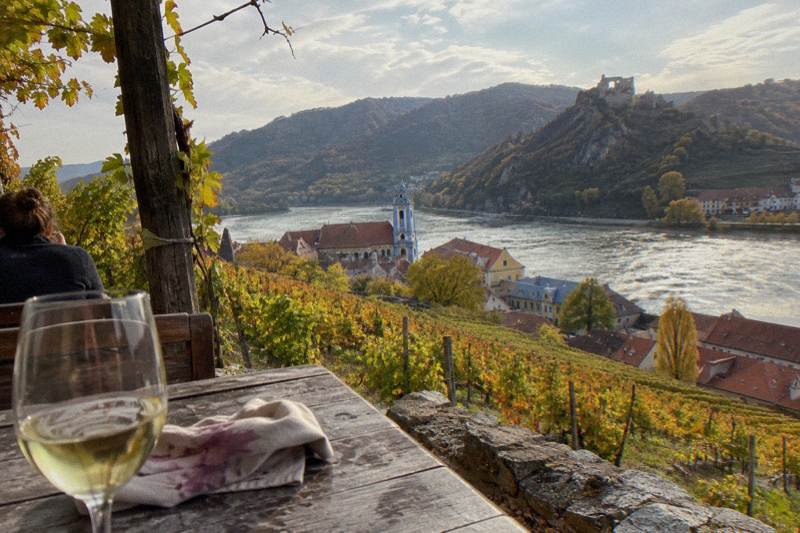
The Wachau Valley is famous for apricots, Riesling and Gruener Veltliner vineyards, riverside villages like Krems and Duernstein, and a cycle route along the Danube between castles and terraced slopes.
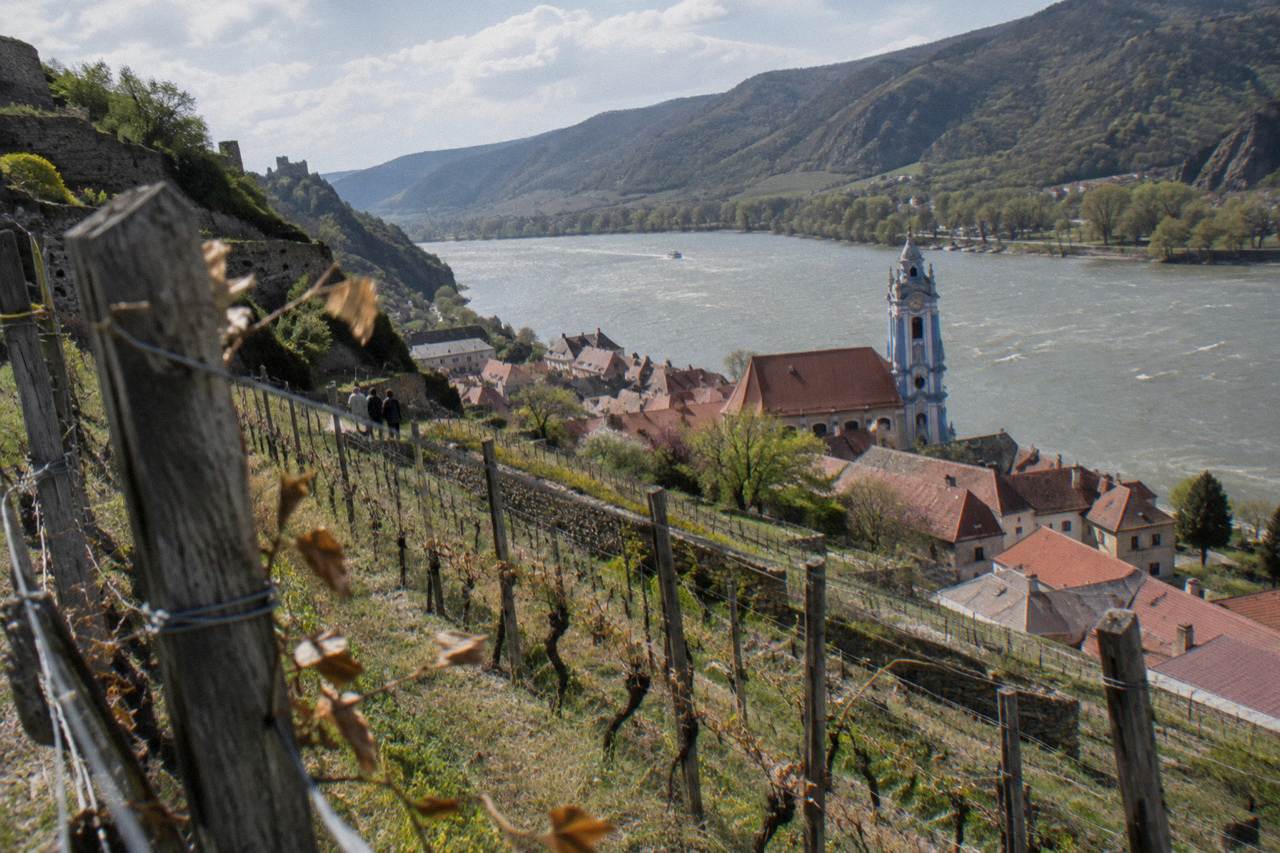
The Wachau Valley is famous for three things stacked on top of each other: apricot orchards, steep terraced vineyards that produce some of Austria's most serious white wines, and a string of fortified Danube villages, Krems, Duernstein, Spitz and Melk, that guard the river. It is a UNESCO World Heritage cultural landscape, and it sits close enough to Vienna to ride in a single organized day. If you'd rather arrive on two wheels, our guide to cycling the Danube out of Vienna covers the banks, islands and guided rides you would meet along the way.
The valley works because it is small. The river cuts a narrow gap through high ground, and for its whole length the slopes on both sides are carved into stone terraces, some of them centuries old, where vines cling to gradients too steep for machinery. Below the terraces run apricot orchards, and below the orchards run the villages, each one clustered around a church tower and a landing stage. The Danube ships still work the stretch, so the classic day is not just a bike ride: it is a ride, a boat, a glass of wine and a train home.
That combination is what people come for, and it is also why the region answers so well to being seen by bike. The flat riverside road links everything, the climbs to the viewpoints are short and optional, and the wineries, the heurigen taverns and the ferry landings all sit within pedalling distance of each other. Readers planning a Vienna stay can see the essentials on a Wachau Valley bike day trip from Vienna, which pairs the ride with wine tasting, or check availability through the operator's page. For readers who want the full context first, the guide to cycling the Wachau from Vienna covers routes and logistics in depth.
Apricot Orchards And The Marille
The Wachau's apricot, the Marille, has its own protected identity, and the whole valley organizes its year around it: blossom in late March to early April, harvest in early to mid July, and a festival economy of jam, schnapps, dumplings and juice in between. The blossom peak lasts only ten days to three weeks, which makes it the region's most concentrated visitor moment.
Ask anyone in Lower Austria what the Wachau means and the apricot comes up before the wine. The fruit likes exactly what the valley offers: warm, dry slopes that hold heat, and a river that tempers late frosts. Whole families run Marillen orchards beside their vines, and the harvest calendar is fixed enough that the valley's kitchens and distilleries plan the year around it.
The practical side for a visitor is timing. Arrive in the narrow blossom window and the slopes turn a pale pink that photographs better than almost anything else in Austria, but you are racing the calendar. Arrive from July onward and the fruit is in the market stalls, the jams and the Marillenschnapps. Arrive in autumn and you have missed both, but the wine is the reason to be there instead. There is no bad month, only different months, and the best time to cycle in Vienna and around applies equally to the valley an hour west.
For a cyclist the orchards matter for a second reason: they set the rhythm of the villages. A heurigen tavern serving its own wine will very likely serve its own apricot products too, and the local pairing of a glass of Gruener Veltliner with a Marille dumpling is the region on one plate. None of this needs a booking or a ticket, just a willingness to stop riding for an hour.
Riesling, Gruener Veltliner And The Terraces
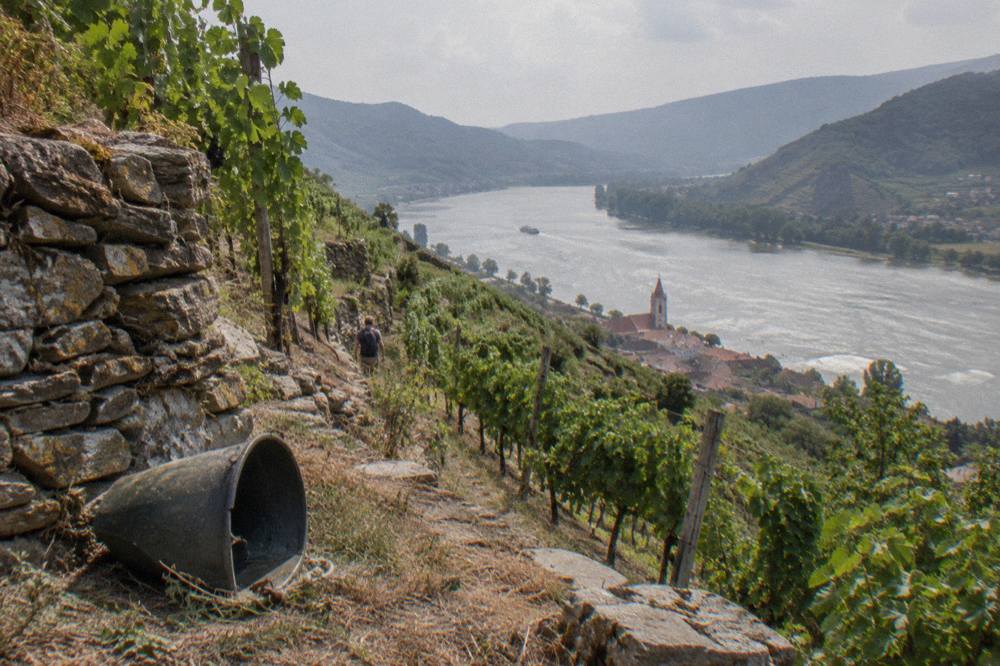
The Wachau's fame among wine drinkers rests on two grapes, Riesling and Gruener Veltliner, grown on hand built stone terraces so steep that almost everything is worked by hand. The valley has its own quality categories, Steinfeder, Federspiel and Smaragd, that appear on every label, and tasting them in place is the single most common reason visitors give for coming.
The terraces are the visual signature of the region, dry stone walls stacked over generations to hold soil on slopes that would otherwise wash into the Danube. They are why the wines taste the way they do: small yields, old vines, and roots pushing through primary rock. They are also why a bottle of quality Wachau wine costs what it costs, and why the heurigen where you taste it sit at the bottom of the slopes rather than the top.
Tasting is informal by Austrian standards. Many producers open their farmgates to walk ins during daytime hours, and a tasting of several wines typically costs a few euros a glass or a modest fee that is usually credited against a bottle, so check the room before you commit. No source fixes a universal tasting fee, and operators' wine tours bundle their own arrangements, so treat any figure a booking page quotes as that operator's price, not a regional standard.
The organized option covers this neatly. The Wachau wine tasting bike tour from Vienna builds the tasting stops into the day, so the logistics of which cellar is open and who pours for a group of cyclists is handled for you. Full pricing and availability are on the operator's booking page.
Fortified Villages From Krems To Melk
The valley's four anchor villages each own one idea: Krems the old wine town, Duernstein the ruined castle linked in legend to Richard the Lionheart, Spitz the orchard heartland, and Melk the enormous baroque abbey that closes the valley at its western end. A rider moving between them covers the whole cultural story of the Wachau in one riverside line.
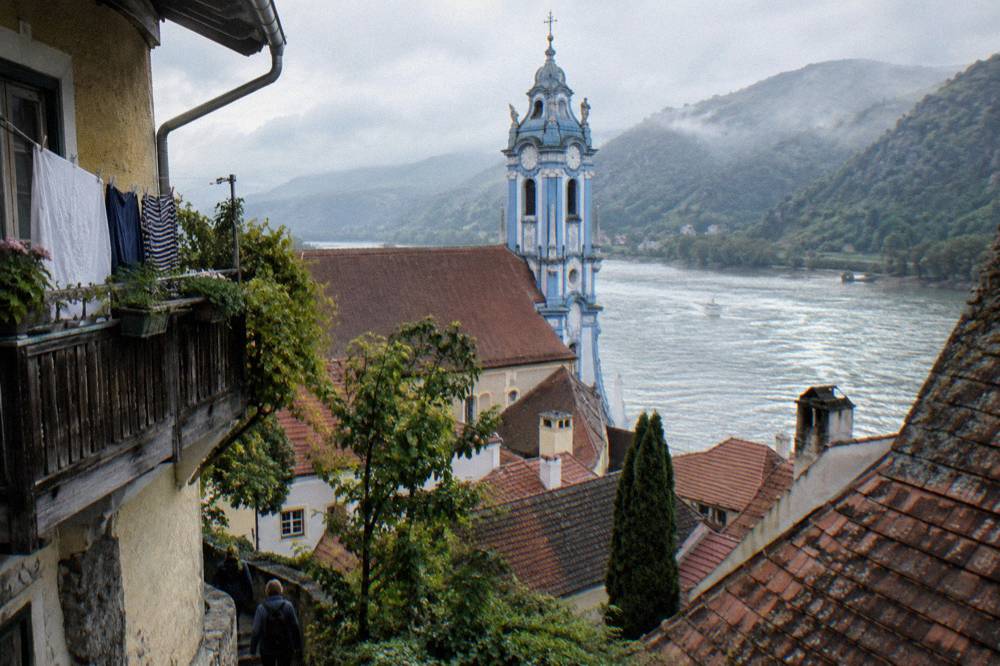
Krems is the working end, a real town with a wine history going back centuries and the valley's main rail gateway from Vienna. Duernstein, upstream, is the postcard: blue and white tower, castle ruin above, and the famous story of an English king held for ransom in the fortress, a tale every local guide tells. Spitz sits in the widest, gentlest stretch of the valley, apricot country, and Melk, at the western gate, holds the Benedictine abbey whose library and church interiors draw visitors who never touch a bike at all. Readers weighing a Krems stop on its own terms can start with the piece on whether Krems is worth visiting.
Cycling ties them together because the villages are close and the ground between them is flat river path. You do not need to plan a route so much as decide which end to start from, which is exactly the decision an organized day makes for you.
What A Bike Day In The Wachau Actually Looks Like
A typical organized day leaves Vienna by transport in the morning, spends the middle of the day riding between villages and tasting stops along the riverside path, and returns to the city in the evening, with the whole excursion running roughly 11 hours door to door. The booking page states the duration, the meeting point and exactly what is included, and those are the details to check before committing.
The rhythm matters more than the distance. Nobody comes to the Wachau to grind out kilometres; the point is to alternate riding with stopping, a stretch of flat path, a cellar, a viewpoint, a village square, lunch. An organized tour sequences those stops so the group is not racing the light or arriving at a heurigen between its hours. Independent riders can copy the same rhythm with a rental bike, and one Wachau rental operator in Spitz and Melk lists e-bikes at 38 EUR per day, though that is one shop's price, not a regional range. Everything else covered here is indexed on Bike Tours Vienna.
| Way To See The Wachau | What It Includes | Time Needed | Best For |
|---|---|---|---|
| Organized wine bike tour from Vienna | Guided ride, wine tasting, round trip transport, roughly 11 hours total | One full day | Visitors who want everything arranged |
| Independent ride with rental e-bike | Bike only, at roughly 38 EUR per day from one listed operator | Flexible | Repeat visitors and slow travellers |
| Ship and train combination | DDSG ship between Melk and Krems, train from Vienna to Melk | One full day | Non riders who still want the river |
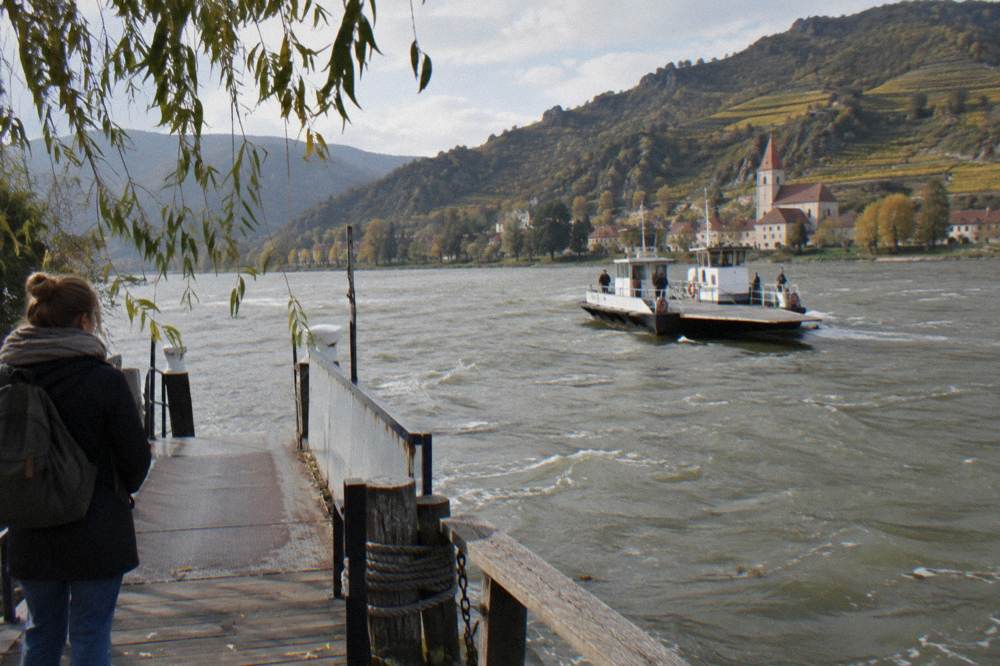
The ship option deserves a word because it is part of the valley's working life, not just a tourist add on. The DDSG Danube shipping season runs from late March to early November, with the main season through the summer, and one way fares between Krems and Melk sit around 40 EUR per person with returns around 49 EUR. The little roll ferry at Spitz, crossing to Arnsdorf, charges 4.70 EUR for a bicycle including the rider, and it is one of the pleasures of the valley precisely because it is small.
Getting There And Back Without A Car
The Wachau is reachable from Vienna by train in under an hour: Vienna to Melk trains run every 30 minutes with an average journey time of 51 minutes, and Krems sits on a regional line at the other end of the valley, so most visitors ride the rails out and pedal, sail or ride back the other way. A combined Wachau Ticket bundles the train, a Danube ship between Melk and Krems and Melk Abbey entry into one fare. If pedalling back appeals more than sailing, our guide to the best stretch of the Danube for cyclists explains how to ride it from Vienna, either on a guided day tour or entirely on your own.
That ticket is the quiet answer for travellers who want the full valley without organizing anything. It covers the three pieces that would otherwise be three separate purchases, and it sets a natural shape for the day: train west, ship east with the current, abbey in the middle. Cyclists can bolt a rental or a tour onto the same skeleton, and riders bringing their own bikes should check the rail operator's bike rules for the specific train before travelling.
For anyone based in Vienna without a car, this ease of access is the reason the Wachau, rather than some other wine region, became the city's default day trip. The vineyards of the Vienna Woods are closer, but the Wachau has the river, the boats, the fortress ruins and the abbey, all threaded along one flat corridor. The comparison between renting and joining a guided ride is covered in the rent or join a guided ride guide for the Vienna end of the trip.
When The Valley Is At Its Best
Late March to early April brings the apricot blossom, early to mid July the harvest, and late April to early October the main Danube shipping season, so the valley has three distinct bests rather than one. Summer carries heat and crowds, autumn carries the wine, and winter is quiet, with reduced sailings and many heurigen closed until spring.
Vienna's recent summers have been genuinely hot, with the city recording its first 40 degree days and a record number of heat days in 2026, and the valley shares that climate with less shade to hide in. A river breeze helps on the water, but a July midday on the terraces is serious sun. Riders booked onto a summer wine tour should treat the operator's stated schedule as the plan and bring water, a hat and sunscreen, since the tasting stops are the cool moments, not the ride between them.
Spring and autumn are the connoisseurs' windows. April has the blossom and green vines; late September and October have harvest colours, new wine in the heurigen and softer light on the river. The sailing season's main stretch ends in early October, after which boats thin out and the valley settles into its winter quiet. Christmas visitors based in Vienna have their own season opening, with the Rathausplatz market from mid November, but that is a city story, not a Wachau one.
Wine curious readers who cannot spare a full valley day do not have to miss the theme entirely: the e-bike wine tasting tour below keeps the tasting and the riding inside a half day closer to Vienna, which suits a short trip better than an 11 hour excursion.
The Danube Connection
The Wachau is one link in the longer Danube cycle corridor, and its fame partly rides on that: the valley is the scenic high point of the Austrian stretch of the river route, the point where the Danube narrows, the hills close in and the cycling stops being transport and becomes landscape. Long distance riders treat it as the section to remember.
For cycle tourists riding the Danube from Passau toward Vienna, the Wachau is the day everybody photographs. That longer ride has its own planning questions, covered in how long the Danube Cycle Path is, and day visitors should not feel obliged to attempt any of it: the valley stands alone perfectly well. But knowing it sits mid route explains the traffic on the path in July, when rented e-bikes, family groups and lycra clad tourers all share the same riverside line.
The practical spillover is infrastructure. Because the long distance route runs through, the path is well signed, well surfaced and served by bike friendly businesses in every village. That is a quiet part of the valley's fame, and one that only becomes obvious from the saddle.
The three ways to meet the valley by bike, a full wine day from Vienna, a Danube themed ride, and a half day e-bike tasting tour, are collected below for a final comparison.
Common Questions About The Wachau Valley
What Is Wachau Valley Famous For?
Apricots, Riesling and Gruener Veltliner from steep terraced vineyards, and fortified Danube villages from Krems to Melk, all inside a UNESCO World Heritage cultural landscape that is reachable from Vienna in under an hour by train.
Can You Cycle The Wachau In A Day?
Yes. The riverside path between the main villages is flat, well signed and short enough for a relaxed day with long stops. Organized bike tours from Vienna run roughly 11 hours in total; independent riders can rent e-bikes locally and set their own pace.
When Is Apricot Blossom In The Wachau?
Typically late March to early April, with the peak lasting ten days to three weeks. The harvest follows in early to mid July. Both windows are weather dependent, so treat the dates as the usual pattern rather than a fixed calendar.
How Do You Get To The Wachau From Vienna?
Trains to Melk run every 30 minutes with an average journey time of 51 minutes, and Krems sits on a regional line at the other end. A combined ticket bundles the train, a Danube ship between Melk and Krems and Melk Abbey entry.
Is The Wachau Good For Non Cyclists?
Yes. The Danube ships, the train link and the villages themselves work without a bike, and the abbey, the fortress ruins and the heurigen are all walkable once you arrive. A bike simply ties the villages together at your own pace.