Is Krems Worth Visiting?
A straight answer to whether Krems is worth visiting, with the Wachau wine country, apricot seasons, bike rental and the best day-trip logistics from Vienna.
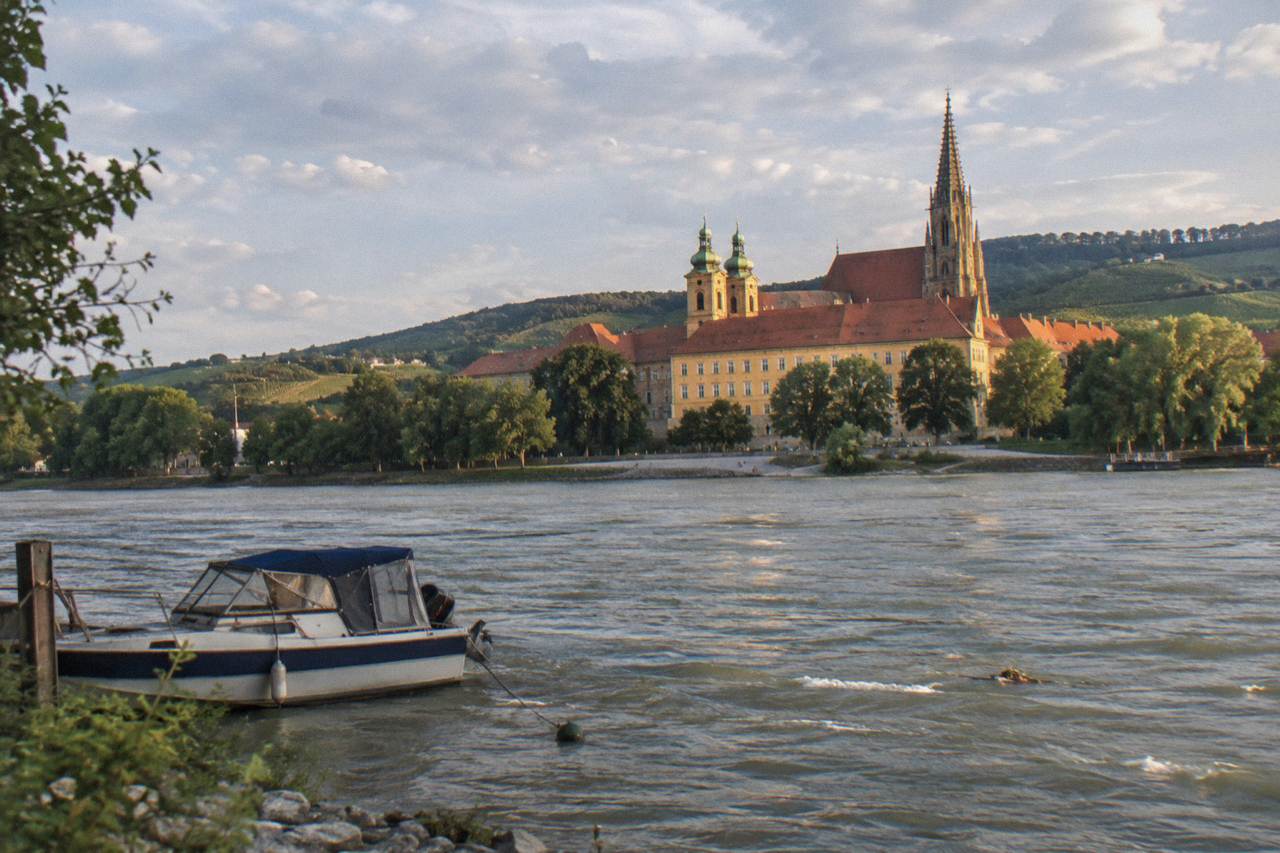
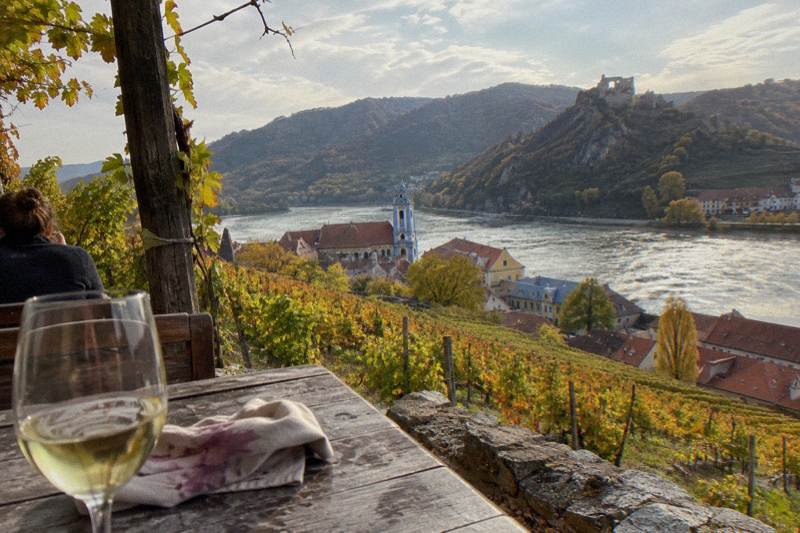
Yes, if your interest is the Wachau. Krems is a small, walkable old town at the point where the Danube enters the wine-country gorge, and it works best as a base or starting line rather than a destination you cross a continent for. Spend a day here with a bike under you and the valley opens up; arrive without a plan and you may find two streets, a church and a closed museum. The Wachau by bike guide covers how to string vineyards, orchards, and river ferries into one day in the saddle.
The honest framing matters. Krems is not Salzburg or Graz, and it does not try to be. Its value is positional: this is where the broad Danube narrows into the terraced vineyards of the Wachau, and where the riverside cycle path that strings together the valley's villages begins or ends. The town itself has a baroque old core, the Weinstadtmuseum in a former monastery, and a small art quarter in Stein, the district downstream. You can see the essentials of the old town between a morning coffee and lunch.
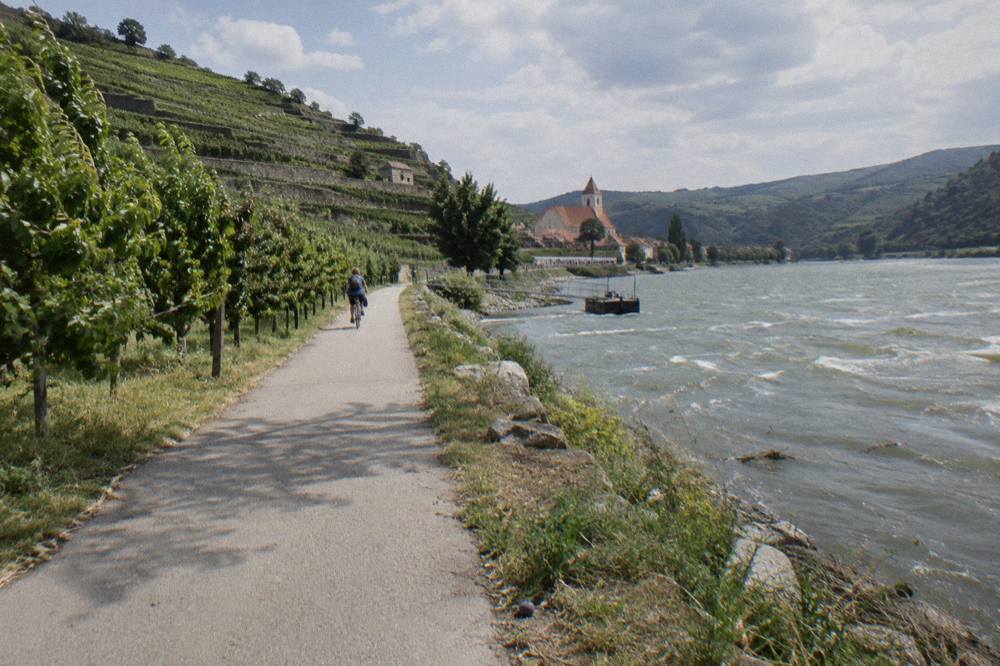
What turns a Krems visit from pleasant to memorable is the riding. The flat, well-signed route along the Danube from Krems westward passes apricot orchards, heuriger wine taverns and the village of Spitz before the valley climbs toward Weissenkirchen and, far beyond, Melk. For most visitors the strongest version of the day is a guided one: the Wachau Valley Wine Tasting Bike Tour from Vienna runs a full day, roughly 11 hours per the listing, and pairs riding with a wine tasting so the logistics of trains, bikes and cellar doors are handled for you. And if you'd rather bring your own bike out from Vienna instead, the guide to taking a bike on the train explains which rides cost extra and which ones do not.
For riders who prefer to keep the day shorter and electric, there are two other natural pairings: an e-bike wine culture tour along the Danube closer to Vienna, and a wine tasting e-bike tour of about four hours. All three sit in the selection below.
If your question is really "Krems or Melk?", the usual answer is that Melk has the abbey and Krems has the wine and the better bike access to the middle of the valley. Many riders do neither choice at all and let a guided day combine the highlights.
What A Day In Krems Actually Looks Like
A typical day starts with a train from Vienna in the morning, an old-town walk of an hour or two, then a bike for the riverside path westward with stops at a winery or an apricot farm, returning by rail or boat before evening. The shape of the day is flexible; the fixed costs are the train fare, a rental bike and whatever tasting fees you accept along the way.
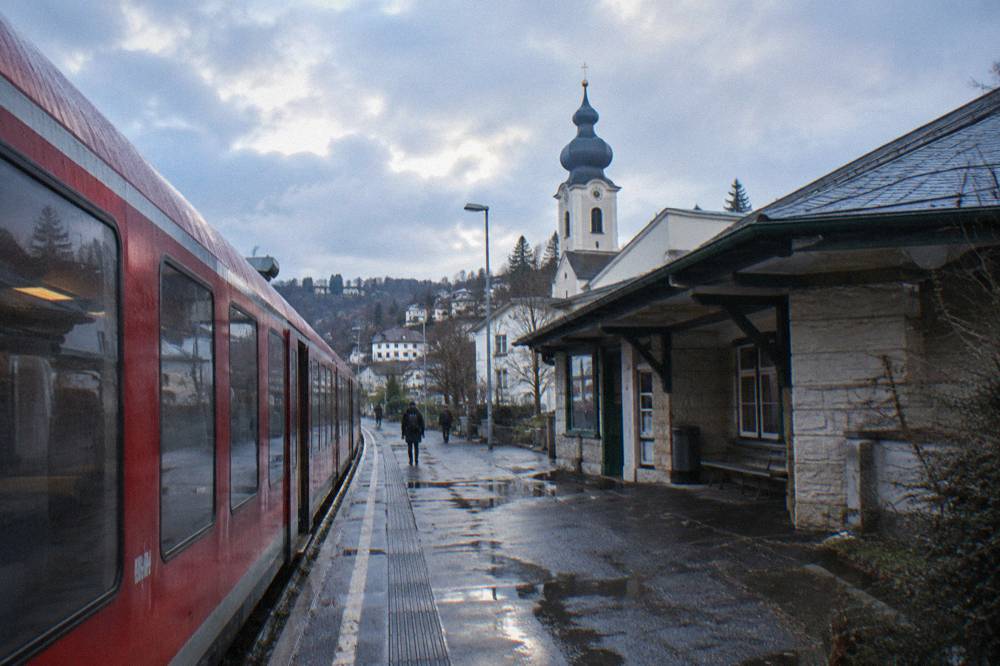
The train is the easy part. Vienna to Melk Bahnhof connections run every 30 minutes with an average journey time of 51 minutes, and Krems sits on a comparable regional line out of Wien Hauptbahnhof and Heiligenstadt; check the operator's site for the current Krems timetable and fare. Once you step off at Krems an der Donau, the old town is a short walk from the station, and the first hour or two is best spent on foot: the Pfarrkirche St. Veit at the top of the hill, the Steiner Tor gate, and the lanes between them.
The afternoon belongs to the bike. Head west out of Krems along the river and the path stays level and separated from traffic for the stretch most visitors ride. Spitz is the natural turnaround for a half day, and the little roll ferry at Spitz crosses to Arnsdorf on the far bank for anyone who wants a loop. For a completely hands-off version, the operator-run day trip from Vienna covers the valley, a tasting and a bike in one booking, which is worth considering if you would rather not assemble the day from separate tickets. The listing states roughly 11 hours including travel, and bikes are included. If you still have river left in you, the guide to Vienna's stretch of the Danube explains which sections there reward a visit and how a guided e-bike ride ties them together.
To keep the independent pieces straight, here are the fixed costs that are actually published, each from a single named operator's own list rather than an average:
| Item | Price | Who publishes it |
|---|---|---|
| Spitz to Arnsdorf roll ferry, bicycle with rider | 4.70 EUR | Ferry operator's 2026 price list |
| Spitz to Arnsdorf roll ferry, adult foot passenger | 3.10 EUR | Ferry operator's 2026 price list |
| Krems to Melk ship, one way | 40 EUR | Danube shipping operator's 2026 fares |
| Krems to Melk ship, return | 49 EUR | Danube shipping operator's 2026 fares |
| E-bike rental, Spitz and Melk | 38 EUR per day | One Wachau rental operator's list |
Whether you build the day yourself or book it as a package, one planning note saves disappointment: cellar doors and heurigen keep seasonal and often weekday-limited hours, and a tasting is never guaranteed without a reservation. Ask when you rent the bike which places are pouring that afternoon.
The ferry itself runs Monday to Friday from 06:15 and weekends from 08:15, closing at 19:00 or 19:30 depending on the day, so late-afternoon crossings are fine but do not plan a loop around a sunset sail.
Getting To Krems And Getting Around
Krems is about an hour from Vienna by regional train, with frequent departures through the day, and the town is compact enough that everything between the station, the old town and the river is walkable. The bike path network is the reason to bring or rent wheels; the valley route is flat, signed and separate from the main road for most of the stretch people ride.
The rail connection is the backbone of every Wachau day trip. Trains between Vienna and Melk Bahnhof run every 30 minutes with an average journey time of 51 minutes, and Krems lies on its own branch of the same regional network; the combination means you can ride the valley in one direction and take the train back the other without doubling your effort. If you would rather fold the transport into the day itself, there is also a combi ticket that bundles the train from Vienna with the DDSG ship between Melk and Krems in either direction plus Melk Abbey entry, which suits a loop with almost no repetition.
On the water, the DDSG Blue Danube ships run the Wachau line from 28 March to 1 November, with the main season from 25 April to 4 October, and the one-way and return fares are in the table above. Sailing back is the relaxed option after a long ride: wheels off, deck chair on, apricot juice in hand. For riders based in Vienna who want the flavour of Danube cycling without the full Wachau commitment, there is also an e-bike wine culture tour along the Danube of about four hours that keeps the tasting element and drops the long transfer.
One more practical note for anyone riding in from the Vienna end: check the operator for any tour-specific transport rules, and if you are carrying your own bike on public transport in Vienna, remember the U-Bahn permits bikes only in set off-peak windows and they must be pushed, never ridden, inside stations.
Wine, Apricots And When To Go
The two moments that define a Krems visit are the apricot blossom in late March to early April and the wine harvest from late summer into autumn, and both depend on the year. Summer brings the fullest schedules and the biggest crowds; November to March is quiet, with some wineries and boat services closed or reduced.
The Wachau apricot blossom typically runs late March into early April, and the peak lasts only 10 days to three weeks, so it rewards flexible travellers and punishes fixed itineraries. The harvest follows in early to mid-July in an average year, when farm shops fill with Marillen in every form: fresh, jam, schnapps, dumplings. Between those poles, the vineyard year rolls through heuriger season, when the family wine taverns open their garden doors.
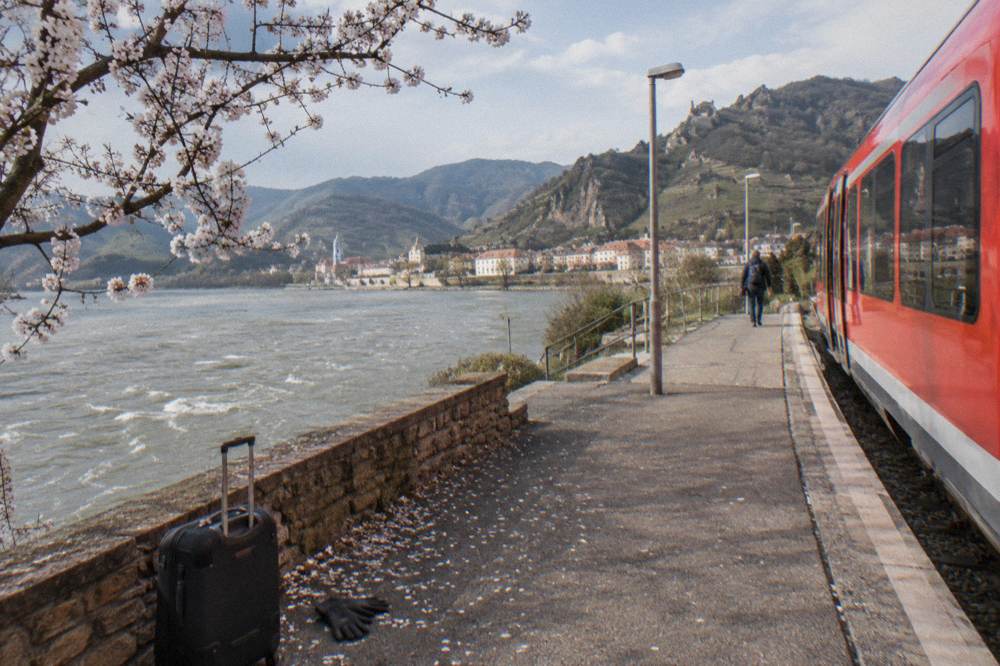
For cyclists there is a season within the season: the boat schedule. DDSG's Wachau line operates 28 March to 1 November with the main season 25 April to 4 October, so a ride-plus-sail combination is a warm-months plan. If your dates point you at the Vienna side rather than the Wachau itself, our month-by-month guide to the best time to cycle in Vienna covers the same calendar decisions for the city.
Wine travellers should also know that Krems is a genuine wine town, not just a gateway: it sits at the foot of the Kremstal wine region and the Wachau's terraced vineyards start on its western edge, so the distance between tasting rooms is measured in minutes. A guided tasting format takes the guesswork out of which cellar to pick, and the four-hour Vienna wine tasting e-bike tour is the city-based version of the same idea if the Wachau transfer does not fit your schedule.
Whatever the month, book tastings ahead where you can, and follow the operator and local rules on alcohol if you are riding after a cellar stop.
Renting A Bike In Krems
Rental bikes are available in Krems and the surrounding villages, with e-bikes the popular choice for the valley's longer stretches, and one Wachau rental in Spitz and Melk lists e-bikes at 38 EUR per day. Prices vary by shop and season, so treat any single figure as one shop's list, not a market average, and reserve in high season.
That 38 EUR per day figure comes from one operator with outlets in Spitz and Melk, published on its own site; it is a useful anchor, not a guarantee of what you will pay in Krems itself. Check the rental shop's current price list and opening days before you plan a full itinerary around it, because Wachau rental businesses often run reduced hours outside the main season. Trekking and city bikes are normally cheaper than e-bikes, and most shops include a lock, a panier and a repair kit; helmets are usually available, and in Austria children up to their 12th birthday must wear one on any bicycle.
For comparison from the Vienna end, one rental shop at the Danube Island lists a comfort bike at 35 EUR and an e-bike at 75 EUR for a day, so the Wachau shops are not out of line with capital-city pricing, though the two lists are not directly comparable in what they include. The decision that actually matters is whether to rent at all: on a guided day trip the bike comes with the tour, which removes both the rental transaction and the return-trip timing. Riders weighing that choice will find the arguments laid out in our guide to renting versus joining a guided ride, written for Vienna but applying equally to the Wachau.
One route note for the confident: the valley path is the flat, signed option and the one almost everyone should take. The hills above the river, where the terraces and viewpoints sit, are steep, and e-bike riders enjoy them far more than pedal-only visitors on a hot afternoon.
The Verdict And Who Should Skip It
Krems is worth visiting for wine drinkers, cyclists and anyone building a Wachau day from Vienna, and it is the best single starting point for the valley's bike path. Skip it if your trip has no room for the valley: as a free-standing city break it is too small, and its museums and old town fill a morning, not a weekend.
The travellers who rate Krems highest are the ones who used it as a lever. A bike, a train ticket and a free afternoon convert the town into the gateway of the most scenic riverside riding within an hour of Vienna. The travellers who rate it lowest arrived on a Monday in November, found the boats finished for the season and half the taverns shut, and left on the next train. Both experiences are the same town.
The site you are reading, Bike Tours Vienna, exists for exactly this decision: the choice between the city's compact bike-tour scene and the wine-country rides a short train ride away. If the Wachau description has won you over, the full-day tasting tour below is the most direct route from a Vienna hotel to the valley's cellar doors; if you want a taste of Danube cycling without leaving the city orbit, the two e-bike options cover that too.
To close the practical loop: check the booking page of whichever tour you consider for the current price, the exact meeting point and what is included, because operators adjust details season by season. For independent riders, the ferry at Spitz, the trains back from Melk or Krems, and a reserved tasting are the three bookings that make a self-guided day run smoothly.
Common Questions About Krems
Is Krems Worth Visiting?
Yes, for wine drinkers, cyclists and anyone visiting the Wachau. Krems is a small, walkable old town at the valley's eastern end and the best starting point for its riverside bike path. As a stand-alone city break it is too small; as the base for a day of riding between vineyards and apricot orchards it earns its train ticket.
How Do I Get From Vienna To Krems?
Regional trains connect Vienna with the Wachau frequently; the Vienna to Melk Bahnhof leg runs every 30 minutes and averages 51 minutes, with Krems on the same regional network. Check the rail operator's site for the current Krems timetable and fares, and consider a combi ticket that bundles train, Danube ship and Melk Abbey entry if you want a loop without backtracking.
Can You Cycle From Krems Along The Danube?
Yes. The signed, flat riverside path runs west from Krems through the heart of the Wachau toward Spitz and beyond, and it is the stretch most visitors ride. The roll ferry at Spitz crosses to Arnsdorf for 4.70 EUR with a bicycle and rider, which opens up loop options on the far bank.
When Is The Best Time To Visit Krems?
Late March into early April for the apricot blossom, which peaks for 10 days to three weeks, or the warmer months from late April to early October when the Danube ships run their main season and wineries are in full swing. Early to mid-July brings the apricot harvest. November to early March is quiet, with reduced services.
Is Krems Good For A Day Trip From Vienna?
Yes, and a day is the most common way to do it. A morning train, a few hours on the bike path and an afternoon tasting fit comfortably into one day, and guided full-day options from Vienna run roughly 11 hours including travel, with bikes and a wine tasting included.
Do You Need To Book Wine Tastings In The Wachau In Advance?
It is strongly recommended, especially in the main season and on weekends. Heurigen and cellar doors keep seasonal and weekday-limited hours, and a tasting is not guaranteed without a reservation. Ask your rental shop or tour operator which places are open and pouring on the day you ride.