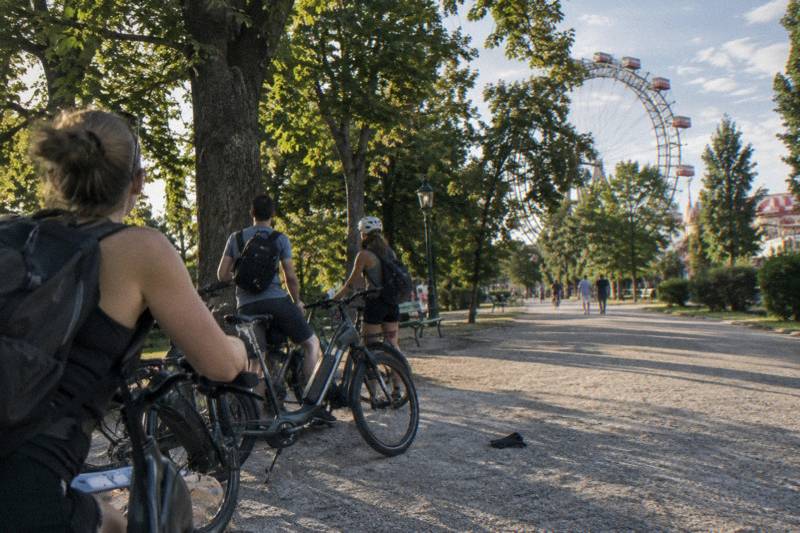
Is The Danube Cycle Path Flat?
A direct answer to whether the Danube Cycle Path is flat, which sections still ask for effort, and how to decide between a regular bike and an e-bike for a Danube day ride.
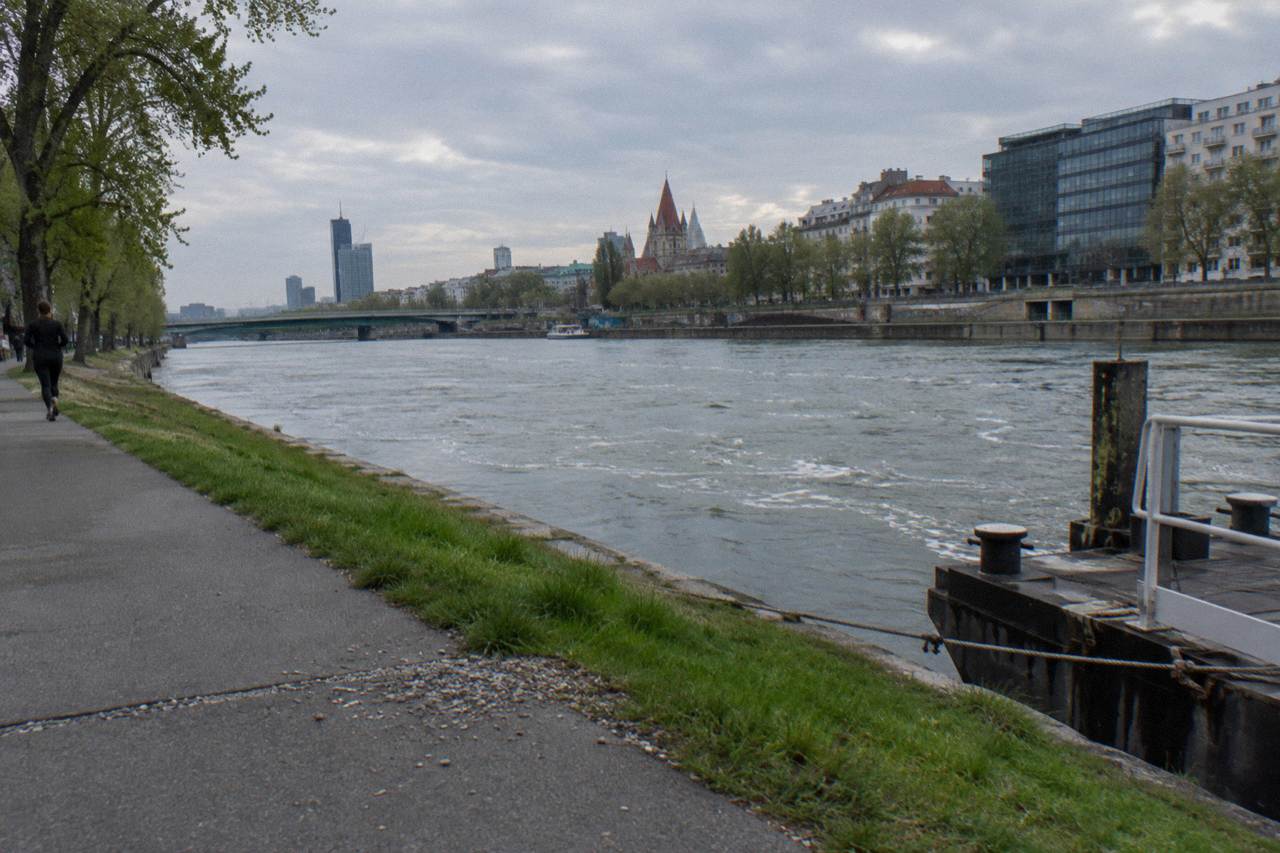
Yes, the Danube Cycle Path is flat for the overwhelming majority of its length, and it is widely regarded as one of the easiest long-distance cycling routes in Europe. The route follows the river valley, so gradients stay gentle and climbs are short. The exceptions are riverbank sections with stairs or closed paths, the odd bridge crossing, and detours through towns, where a brief burst of effort is normal.
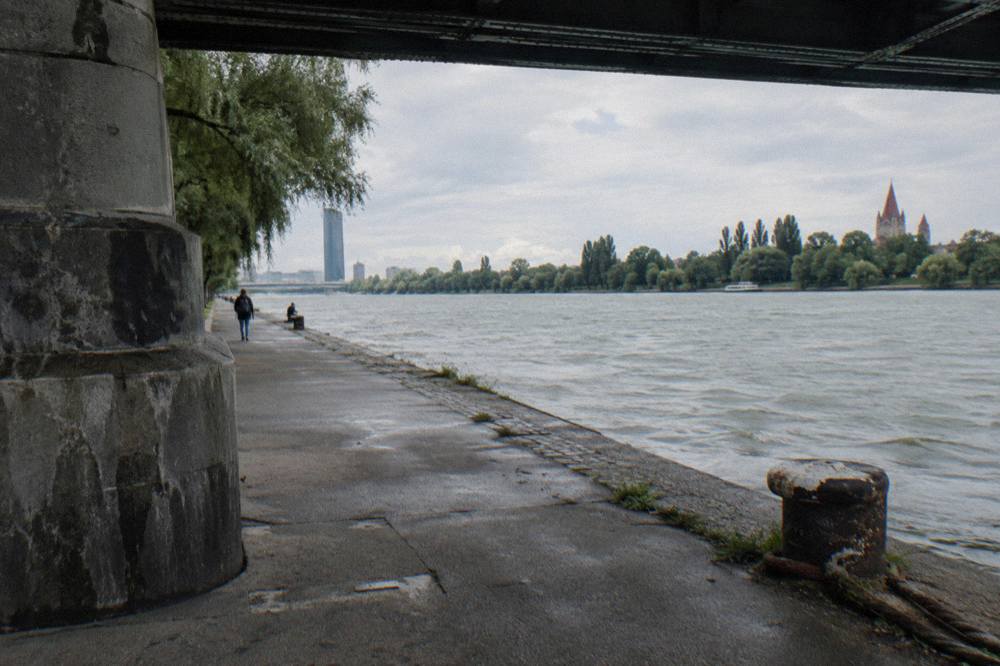
That answer deserves unpacking, because "flat" means two different things depending on who is asking. A touring cyclist crossing a continent reads flat as "no mountain passes and no day-long grinding climbs," and on that reading the Danube route qualifies without argument. The valley floor between southern Germany, Austria, Slovakia and Hungary keeps the route at river level almost throughout, and the operators and tourism bodies that maintain the route describe it as family friendly and suitable for beginners, which is not language they would use about an alpine pass.
A day visitor reading flat as "can I do this on a city bike without training" is asking a slightly sharper question, and the honest answer is still yes, with two footnotes. The first is the weir and dam infrastructure along the Austrian stretch: where the river is engineered, the path sometimes leaves the bank, climbs a levee or crosses to the other side, and those transitions are short but real. The second is closures. On the Danube Island in Vienna, for instance, a section of the main path between the Nordbruecke and the Floridsdorfer Bruecke stays closed for water works until 2030, and cyclists are diverted onto the Neue Donau path, a detour the city documents on its official diversion page. None of this changes the flat character of the route, but it does mean a ride plan built from an old map will surprise you once or twice. If a detour near Danube Island leaves you wondering whether the river is worth your time in Vienna at all, our guide to Vienna's Danube stretches lays out what each part offers and how an e-bike ride ties it together.
The question usually arrives alongside a purchase decision: whether a regular bike is enough, or whether an e-bike earns its price. If Vienna is your base, the riverside answer is the three-hour e-bike ride around the Danube Island and the city's green parks, which covers the flattest and most pleasant riverside network in the region.
For readers still weighing the bike-type question in general, the site's comparison of Bike Tours Vienna pages includes a dedicated guide on e-bikes versus regular bikes, which walks through fitness, distance and cost for Vienna specifically.
How Flat Is Flat In Practice?
The path follows the Danube valley floor, so sustained gradients are rare and the climbs you meet are measured in metres, not hundreds of metres. Bank sections can be gravel or dirt rather than asphalt, and the engineered river landscape means the route sometimes hops onto levees or through villages to get around obstacles. It is flat the way a river is flat, not flat the way a velodrome is flat.
The useful mental model is that you are riding a river's handiwork. Left to itself the Danube drops only gently over its whole Austrian length, and the cycle path shadows it on embankment tracks, farm lanes and quiet roads. In the Wachau, the vineyard-covered valley west of Vienna, the hills press close to the water and look intimidating from the saddle, but the path itself stays on the valley floor between the river and the first slopes, and the orchards and terraces sit above you rather than in your way.
Surface matters more than slope on this route. Along the main bank sections you will ride long stretches of smooth asphalt, then hit stretches of compacted gravel or fine crushed stone, especially on embankment tops and through the floodplain forests. None of it is technical. A city bike with normal tyres handles it at a relaxed pace, though narrower racing tyres buzz on the coarse parts and a brief stretch after rain can be soft. If you are renting, a trekking or comfort bike is the sweet spot; the rental question has its own write-up in how much it costs to rent a bike in Vienna.
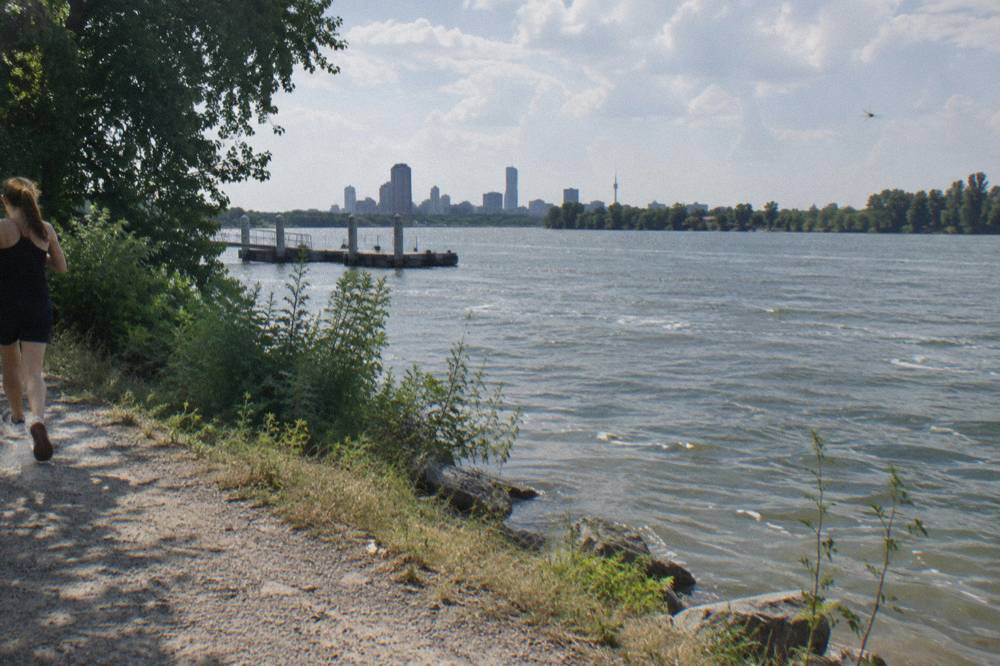
The Wehr, weir and power-station infrastructure along the engineered river also produces the route's characteristic rhythm: flat flat flat, short ramp onto a bridge or dam crest, flat flat flat. Bridge crossings over the Danube, the Neue Donau and the side channels can include a few hundred metres of gentle rise, and in the towns the route sometimes threads one-way streets and cobbles. Riders who describe the path as "completely effortless all day" are remembering the 95 percent and forgetting the weirs, which is a forgivable bias but worth correcting before you plan around it.
Here is the honest breakdown of what "effort" looks like on the flat parts of the route:
| Feature | What you actually feel | Effort level |
|---|---|---|
| Embankment asphalt along the main bank | Smooth, level, often slightly crowned | None, this is cruise terrain |
| Compacted gravel on levees and floodplain tracks | Slight drag, occasional loose patches | Low, noticeable on thin tyres |
| Bridge and dam crossings | Short ramps of a few metres of rise | Brief, over in a minute or two |
| Town passages in Krems, Melk, villages | Cobbles, one-way streets, pedestrians | Attention more than effort |
| Signed detours for path closures | Extra distance on parallel routes | Low, but plan for the time |
Where Does The Route Ask For The Most Effort?
The hardest work on the Danube route is concentrated in three places: short ramps onto bridges, weirs and dams; detours around closed or flooded bank sections; and the tourist town passages with cobbles and foot traffic. There are no sustained climbs on the Austrian valley floor, and nobody plans gear ranges around this route. If a section feels like a hill, you are on a detour, and the signposting will bring you back to the river.
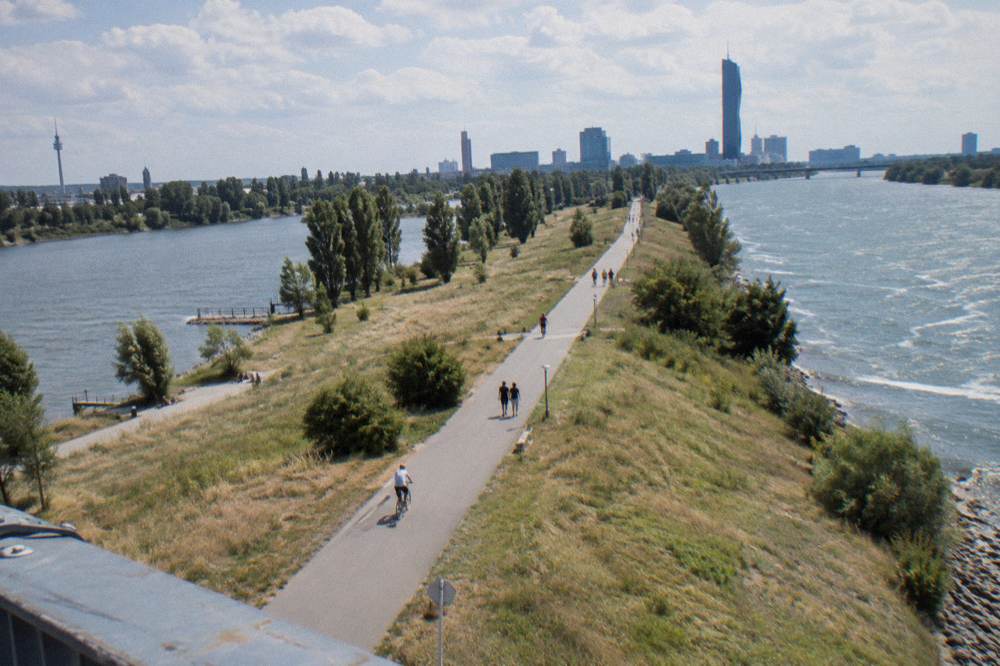
Vienna's own riverside network is the flattest of the lot and a good place to calibrate expectations. The Danube Island alone carries about 21 kilometres of paved cycling routes inside a 135-kilometre path network, all of it essentially level, and the island's 42 kilometres of shoreline have made it the city's default easy ride. The city's official island pages document those figures, and they match what the route feels like: broad, flat and crowded with everyone from toddlers on balance bikes to road cyclists doing intervals. For the current state of the main path works between the two bridges, check the city's cycling diversion page before you ride.
West of Vienna, the Wachau is where the scenery climbs and the path does not. Between Krems and Melk the route hugs the north bank past terraced vineyards and apricot orchards, and the famous views are earned by looking up rather than pedalling up. The region's ship season runs from late March to early November, so a tired rider can bail onto the water: the combination ticket that bundles the train from Vienna, the ship between Melk and Krems in either direction, and Melk Abbey entry exists precisely because tourists mix riding and floating on this stretch.
Floods and works are the wildcard. After high water, bank sections can sit under a film of silt or be temporarily closed, and diversion signage is generally good but adds distance. On a guided ride, the operator handles this; on a self-guided day, leave a margin of an hour in your plan and treat any kilometre total you read online as approximate rather than contractual. Never trust a ride-time estimate someone published in a different year with different closures in force.
If you are riding out of Vienna with a guide, the riverside island tour keeps you on the flattest terrain within reach of the centre, with the bike and the route decisions included.
For riders whose main worry is distance rather than slope, the Wachau day trip is the long option: roughly 11 hours door to door from Vienna, with wine tasting built in, and a chance to test whether the flat-is-easy promise holds over a full day in the saddle. The steep hillsides you see are the vineyards; the path stays below them.
Do You Need An E-Bike On The Danube?
You do not need an e-bike to ride the Danube path, and thousands of riders of all ages do it every year on regular bikes. An e-bike earns its keep for three reasons: wind and weather, distance, and companions of mixed fitness. The valley funnels the wind along the river's axis, and a headwind on a flat path is the one force that makes fit riders wish for a motor.
Wind deserves more attention than gradient on this route. A flat valley is an efficient wind tunnel, and a steady breeze from the direction you are riding can turn a relaxed afternoon into a grind without a single metre of climbing. This is why e-bike riders on the Danube rarely look like they are cheating a hill: they are buying insurance against the day the wind turns, or against a route that grew longer because of a detour. If the word "insurance" appeals, the same logic applies inside Vienna, and a shorter electric ride is an easy way to test whether the assist suits you.
The second honest reason is company. Families and groups where one rider is less confident, or where a companion is recovering from an injury, finish together and happy on e-bikes, and arrive apart and grumpy on regular bikes. The path's flatness removes most of the fitness argument, but it cannot remove a 30-kilometre day or a warm afternoon. Vienna recorded its first 40-degree days and a record number of hot days in the summer of 2026, and the long-term average July temperature in the city is 21.9 degrees at the official station; summer heat, not slope, is now the more realistic physical constraint on a Danube ride. The site's month-by-month guide on the best time to cycle in Vienna covers the seasonal pattern in detail.
The third reason is age and rules. Children up to their 12th birthday must wear a helmet on any bicycle in Austria, and a recent rule change extends a helmet requirement to children and youths under 14 on e-bikes; for adults there is no general helmet duty, though wearing one is recommended at every age. Check with the operator about any tour-specific policy, and for the full rule set see the site's guide on cycling rules and safety in Vienna.
A quick comparison for the bike decision:
| Factor | Regular bike | E-bike |
|---|---|---|
| Gradient on the Danube path | Sufficient, the route is essentially level | Assist mostly unused on banks |
| Headwind days | Your legs carry it | Assist flattens the effort |
| Full-day Wachau rides | Manageable with breaks | More comfortable for most riders |
| Mixed-fitness groups | Stragglers likely | Group stays together |
| Gravel and levee sections | Fine on trekking tyres | Fine, slightly heavier to push if battery dies |
What About Crossings, Ferries And Getting There?
Crossing the Danube and its side channels is part of riding the route, and on the Wachau stretch the Spitz to Arnsdorf roll ferry is the classic crossing, charging 4.70 euros for a bicycle including the rider. To reach the Wachau from Vienna by train, services to Melk run about every 30 minutes with an average journey time of around 51 minutes, so the region works as a day trip as well as a guided tour. For a closer look at the region, our guide to the stretch of the Danube that cyclists love most explains why so many riders plan their whole trip around it.
The roll ferry is a small ritual of the Wachau: it runs from March to October, weekdays from early morning and weekends from mid-morning, and it links the two banks at the narrowest practical point for cyclists. Foot passengers pay 3.10 euros. Details like sailing times are worth confirming on the day, since water levels and weather can shift the schedule. Farther along, the passenger ships between Krems and Melk give tired legs a scenic exit, with one-way and return fares available, and the combined Wachau ticket bundles train, ship and abbey entry into a single price for travellers building their own day.
For Vienna-based riders, the transport question runs the other way: how to get a bike to the start. Bicycles may be carried free on the Vienna U-Bahn, but only in specific windows, weekdays between 9:00 and 15:00 and after 18:30, plus all day on weekends and public holidays, and bikes must be pushed, never ridden, inside stations; escalators are off limits with a bike. Non-foldable bicycles are not allowed on the city's buses and trams at all. A standard e-bike can travel on the U-Bahn with you, pushed rather than ridden within the permitted hours; the conditions of carriage bar only start-assist, cargo and transport bikes. Check the operator's rules for any tour bike you do not personally own.
Which Danube Ride Should A Flat-Route Seeker Book?
For a flat-focused day out of Vienna, the e-bike tour of the Danube Island and green parks is the most direct fit: three hours, riverside terrain that is level by design, bike and guide included. For a longer immersion, the Wachau wine-tasting day trip trades a full day for vineyard scenery while the path itself stays flat. City riders who want highlights more than river can take the e-bike city tour instead. If the Wachau day trip catches your eye, our guide to whether Krems deserves a stop covers the old town, apricot season, and the easiest day-trip logistics from Vienna.
Choosing between them is mostly choosing your day shape rather than your difficulty level. The island tour is a half-day commitment inside Vienna, with the 3-hour duration stated on the booking page, and it suits riders whose real question was "is there a ride where I will not embarrass myself on a hill." The city e-bike tour answers a different itch, imperial architecture and hidden corners, with the same electric assist and a similar time commitment. The Wachau trip is the connoisseur's day: long, wine-forward and still flat underfoot, with roughly 11 hours door to door including travel.
Price and current meeting-point details sit on each booking page rather than in this article, because operators adjust both seasonally. What the booking pages will not tell you is the terrain context above, and that is the part worth holding onto: whichever of the three you pick, the riding surface is on your side.
Common Questions About The Danube Cycle Path
Is The Danube Cycle Path Flat?
Yes. The route follows the Danube valley floor and is one of the flattest long-distance cycling routes in Europe, with only short ramps onto bridges, weirs and dams. Detours around closed bank sections, such as the Danube Island works in Vienna running until 2030, add distance rather than climbing.
Can A Beginner Cycle The Danube Route?
Yes. The path is widely described as family friendly and suitable for beginners. The main challenges are surface variety, with some gravel stretches, and wind on open embankments rather than slopes. Take a trekking or comfort bike and allow extra time for detours.
Is The Danube Cycle Path Paved Or Gravel?
Both. Long sections are smooth asphalt, especially on embankments and through towns, while levee tops and floodplain tracks are often compacted gravel or crushed stone. None of it is technical, but racing tyres will buzz on the coarser parts.
Do I Need An E-Bike For The Danube Cycle Path?
No, but an e-bike helps against headwind, distance and heat. The valley funnels wind along the river, and on a flat path that is the force most likely to tire you. Groups of mixed fitness also stay together more easily with electric assist.
Are There Hills In The Wachau Section?
The vineyards and terraces are steep, but the cycle path is not. Between Krems and Melk the route stays on the valley floor between the river and the first slopes, and the famous views come from looking up rather than climbing.
Can I Take My Bike On Public Transport To The Route?
In Vienna, yes with conditions: bikes ride free on the U-Bahn on weekdays between 9:00 and 15:00 and after 18:30, and all day on weekends and public holidays, pushed not ridden, with no escalators. Buses and trams do not take non-foldable bikes, but ordinary e-bikes and standard bicycles are welcome on the U-Bahn in permitted hours; only start-assist, cargo and transport bikes are barred, so check the operator's terms for tour bikes.