How To Rent City Bike Vienna?
How to rent a city bike in Vienna: what replaced Citybike Wien, what WienMobil Rad costs, how to register and unlock, and when a guided tour beats bike share.
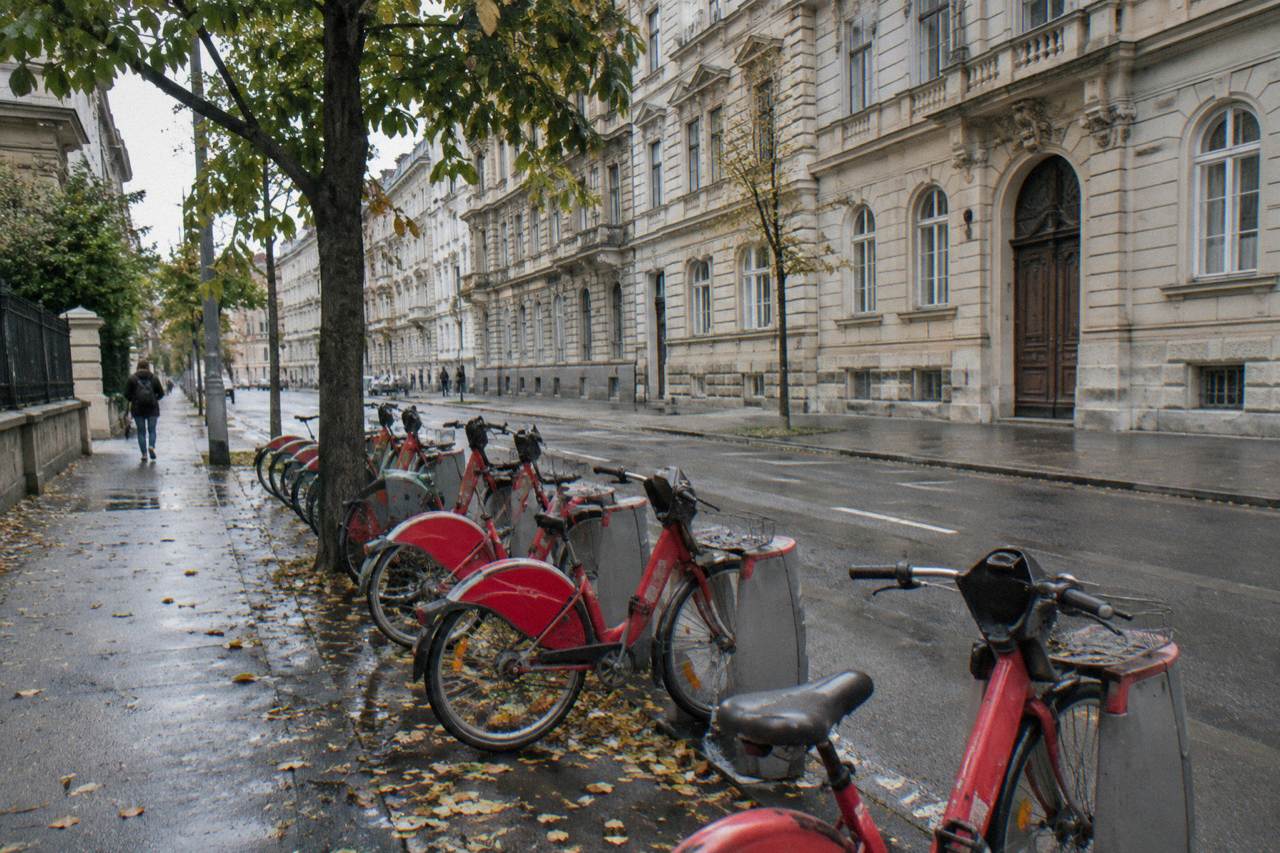
To rent a city bike in Vienna you use WienMobil Rad, the bike-share system that replaced the old Citybike Wien network. Register in the WienMobil app or at a station terminal with a card, unlock a bike, and ride. Standard bikes cost 0.80 EUR per started 30 minutes, capped at 20 EUR per 24 hours, with more than 3,700 bikes spread across stations in all 23 districts. One of the best first rides from the city center is out to the Prater and its famous Ferris wheel, a huge park with flat, bike-friendly lanes through the trees.
The first thing many visitors search for no longer exists. Citybike Wien, the silver-and-red system that ran for years around the Ringstrasse and the inner districts, ended operations, and the city's bike-share service is now WienMobil Rad, run by the transit operator Wiener Linien. The stations look different, the pricing works on a time basis rather than the old registration-deposit model, and the fleet has grown well beyond the centre. If you find an old guide telling you to register at citybikewien.at for a one-off fee, that advice is out of date.
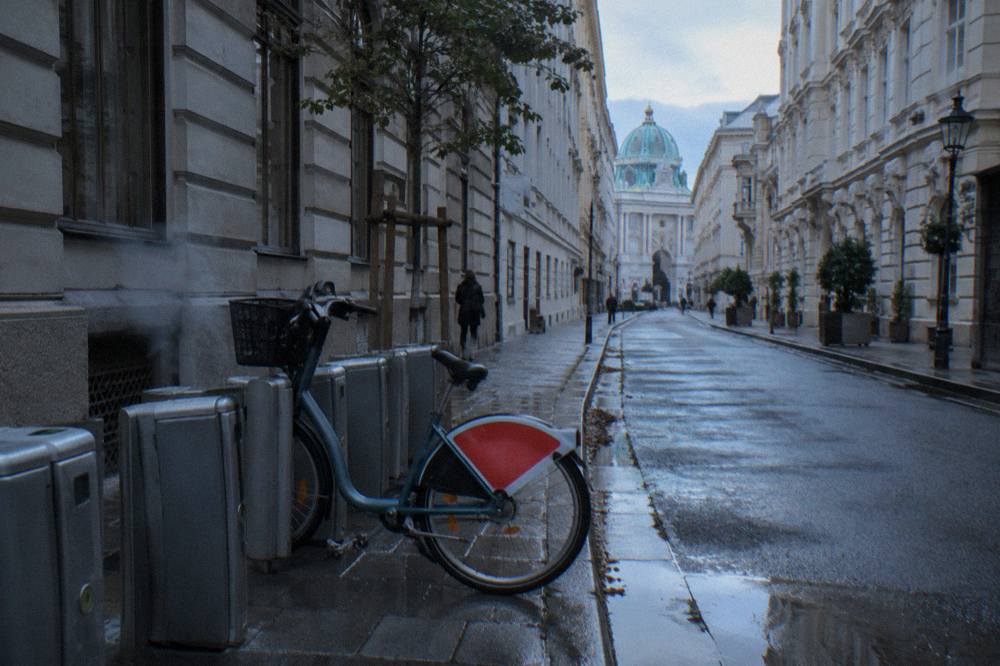
The system now covers the whole city, not just the tourist core. According to the operator, WienMobil Rad runs more than 3,700 bikes, including 600 e-bikes, at more than 250 stations across all 23 districts. That reach matters for visitors: you can pick up a bike near your hotel, ride to a museum, dock it, and grab another later without carrying it around or worrying about theft. For a fuller picture of how share bikes fit alongside rentals and guided rides, see the guide to renting versus joining a guided ride.
What Happened To Citybike Wien?
Citybike Wien shut down and was replaced by WienMobil Rad, operated by Wiener Linien, the city's transit authority. The old Citybike stations, registration system and pricing are gone, and the former operator's own website now points visitors to the new system. Nothing about the old Citybike sign-up carries over, so you register fresh with WienMobil Rad.
The transition was more than a rebrand. Citybike Wien was a standalone system with its own terminals, its own customer accounts and a bank-card registration model that tourists found either refreshingly simple or quietly annoying, depending on the day. WienMobil Rad folds bike-share into the city's wider mobility offer, which means the same app ecosystem that runs trams, buses and U-Bahn also handles the bikes. For a visitor, the practical difference is that one account now covers a much larger fleet, and e-bikes are part of the standard offer rather than an exotic extra.
There is a second practical consequence. Because the old operator published a farewell guide on its own site confirming the handover, any printed or cached instructions you find from before the switch will send you to stations or account pages that no longer work. If a hotel card or blog post mentions Citybike, treat the location list as historical and check the current station map in the WienMobil app instead. The station density in the outer districts is also far better than Citybike ever managed, so a hotel in, say, the fourth or sixteenth district is no longer a reason to write off bike-share entirely.
Bike share also is not the only way to get wheels. If you would rather have one bike for a full day, or an e-bike for a longer loop, the cost comparison in how much it costs to rent a bike in Vienna runs the numbers on shop rentals against share bikes.
What Does WienMobil Rad Cost?
A standard WienMobil Rad bike costs 0.80 EUR per started 30 minutes, capped at 20 EUR in any 24-hour period. An e-bike costs 3.30 EUR per started 30 minutes, capped at 40 EUR per 24 hours. Holders of a Wiener Linien annual pass or a KlimaTicket pay reduced rates: 0.37 EUR per 30 minutes for a standard bike and 2.30 EUR for an e-bike.
The pricing is metered, not flat. Every started half-hour counts, so a 31-minute ride bills as two intervals. The daily cap is what protects a day-tripper: ride all day on a standard bike and the meter stops at 20 EUR. The e-bike cap sits at 40 EUR, which is real money and worth thinking about before you unlock one for a leisurely afternoon.
| Tariff | Standard bike | E-bike | Daily cap (standard) |
|---|---|---|---|
| Standard | 0.80 EUR per started 30 min | 3.30 EUR per started 30 min | 20 EUR per 24 h |
| Mix (annual pass or KlimaTicket) | 0.37 EUR per started 30 min | 2.30 EUR per started 30 min | 10 EUR per 24 h |
| Annual subscription | 63 EUR per year, first 30 min free per trip | e-bike tariff applies | subscription benefit per trip |
For a visitor staying a few days, the standard tariff is the one that matters; the Mix rates and the 63 EUR annual subscription are aimed at residents. One rental shop at Donauinsel lists a comfort bike at 35 EUR for a 6 to 12 hour day and an e-bike at 75 EUR for the same window, which is a different product: a private bike you keep, rather than a share bike you dock. Neither is automatically cheaper; it depends on how many short hops you make.
A rough rule of thumb helps here. If you plan two or three short point-to-point rides totalling under two hours of pedalling, share bikes will usually cost less than a day rental. If you want the bike with you continuously, parked outside cafes and museums while the meter runs, the shop rental wins on both cost and convenience. Visitors who overestimate how much they will ride tend to be the ones surprised by the bill.
How Do You Register And Unlock A Bike?
You register in the WienMobil app or at a station terminal, link a payment card, scan or type the bike's number, and the lock releases. There is no deposit and no separate key; the bike unlocks from your phone in seconds. To return it, dock it at any station and confirm the trip has ended in the app.
The app route is the smoothest for visitors. Download the WienMobil app, create an account with an email address, add a card, and the map shows every nearby station with live bike availability. Walk to a bike, scan its QR code, and the frame lock opens. When you are done, push the bike into a free dock slot, watch the light confirm it, and check the app shows the trip closed. An unconfirmed return is the classic way people get billed for hours they did not ride.
A few practical habits save money and hassle. Short hops between stations are what the tariff rewards, since docking ends the billing clock. Plan museum visits and lunch stops next to stations, and each errand costs only the minutes you actually pedal. Before you set off, a quick check of brakes, seat height and tyre pressure takes thirty seconds and spares you a bad ride; the operator swaps bikes out for maintenance, but you get the bike you get.
It is also worth setting your account up before you need it, ideally on hotel wifi the evening you arrive. Registration occasionally requires a verification step by email, and doing that at the kerbside with a data connection that keeps dropping is a small frustration you can avoid entirely. Note down the two or three stations nearest your hotel as well, so a full dock never sends you hunting.
One thing bike share cannot do is plan your route or tell you what you are looking at. That division of labour is worth being honest about. For orientation, stories and a route that already makes sense, a guided ride fills the gap: the Classic Vienna 3-Hour Guided Bike Tour includes a bike and helmet in the price and covers the city's headline sights with a guide who knows them, which is a different proposition from a rented frame and a map. Details like the meeting point and inclusions are on the booking page. Whichever way you ride, the cautions for cyclists in Vienna covers everything from tram tracks to bike theft basics.
Where Can You Ride A Share Bike In Vienna?
Vienna's cycling network runs about 1,811 kilometres, and share bikes can use all of it. The flattest, most rewarding riding for visitors is along the Danube Canal, through the Prater, and around Donauinsel, which offers up to 21 kilometres of paved cycling routes on a single island reachable by U-Bahn.
The city has been investing heavily in new paths. Vienna is delivering 33 projects with roughly 12.5 kilometres of new cycling infrastructure in 2026 under its Radweg-Offensive programme, and the Northern Cycling Highway, a seven-kilometre route to Kagran, was completed in 2025. Two things a visitor should know this autumn: the Ringstrasse bike path is being rebuilt in stages, with work starting between Schottentor and Franz-Josefs-Kai, and a section of the main Donauinsel path between Nordbruecke and Floridsdorfer Bruecke stays closed until 2030, with cyclists diverted via the Neue Donau path. The city publishes a diversion page worth a look before you set out. The rest of the planning pages sit on Bike Tours Vienna.
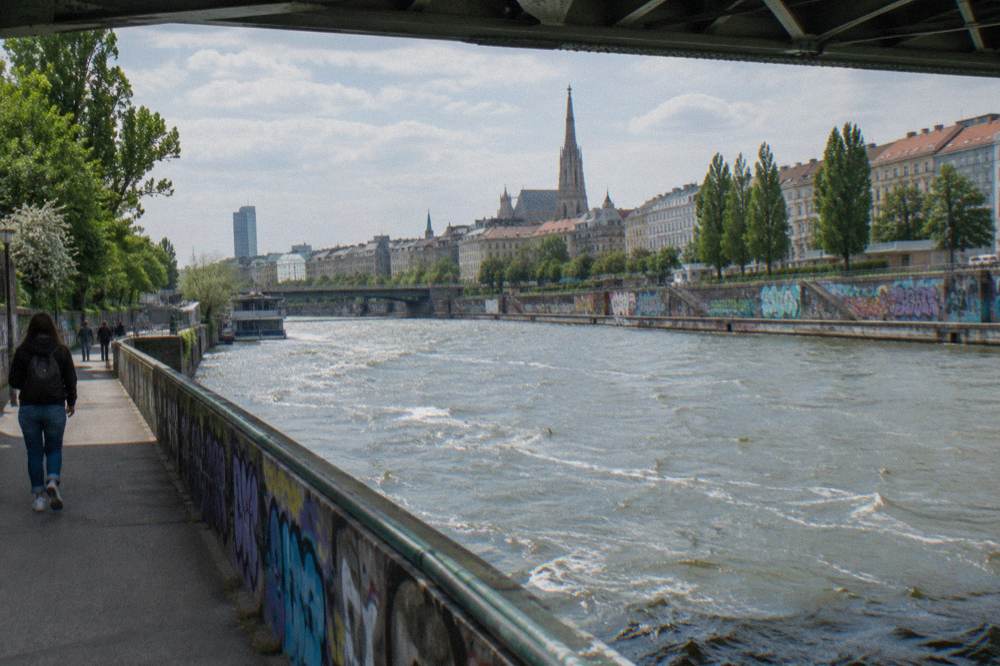
For route ideas beyond the obvious, cycling the Danube Canal and cycling the Prater and Donauinsel both describe loops that start and end near stations, which suits a share bike's dock-and-stop rhythm. Winter riders should also know the city prioritises clearing of central, high-traffic bike paths and publishes a downloadable winter plan. If your visit falls in the colder months, the seasonal advice in the month-by-month cycling guide picks out when the paths are pleasant and when they are best avoided.
Can You Take A Hire Bike On Public Transport?
Yes, on the U-Bahn only, and only at permitted times: weekdays 9:00 to 15:00 and after 18:30, plus all day on weekends and public holidays. Bikes must be pushed, not ridden, inside stations, escalators are off limits, and non-foldable bikes are prohibited on trams and buses entirely.
The time windows catch out a lot of visitors, because they exclude the morning and evening rush. A standard bike or e-bike rides the U-Bahn free of charge inside those hours, with a maximum of two bikes per entrance area, and wheelchairs and prams always have priority. One further restriction from the conditions of carriage: bicycles with start-assist, cargo bikes and similar machines are prohibited, so check with the operator before assuming an assisted bike can board.
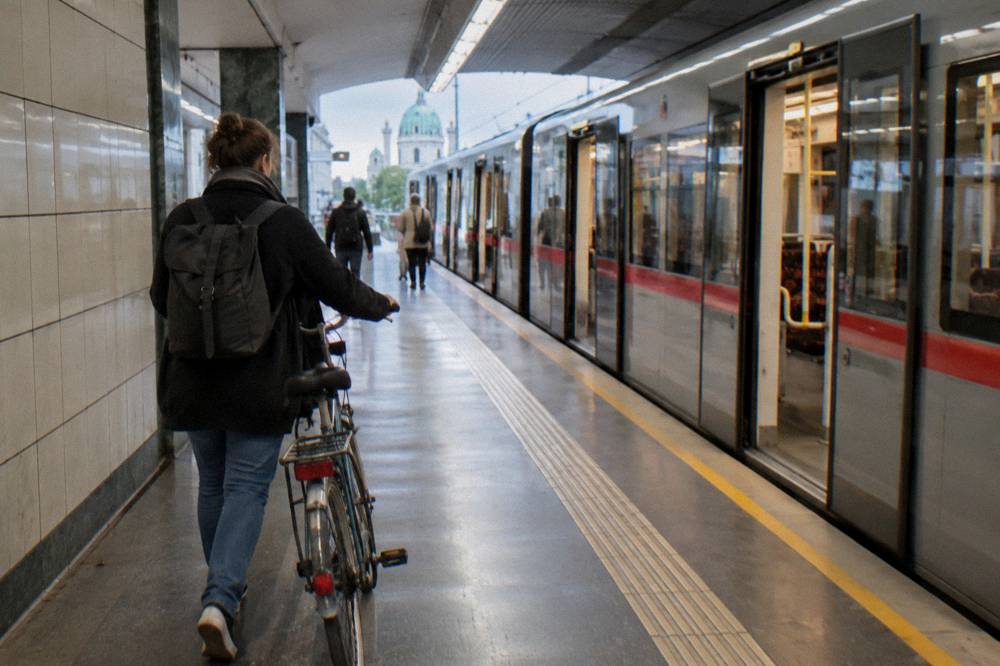
In practice, the rule matters less for share bikes than for rentals. A share bike belongs to the network: ride it, dock it, take the U-Bahn bike-free, unlock another at your destination. That is precisely the flexibility the tariff is built around, and it is one of the strongest arguments for the system over a day rental if your plan mixes districts. A word of caution for summer visitors planning long rail-plus-bike days: crowded trains leave little room for bikes even in permitted hours, so allow a fallback plan.
Bike Share Or A Guided Tour: Which Fits Your Day?
Bike share suits short, self-directed hops and costs 0.80 EUR per started half hour with a 20 EUR daily cap. A guided tour suits visitors who want a route, a guide and a bike arranged in one booking, with prices from the operator's page. Many travellers do both: share bikes for errands, one guided ride for the sights.
The honest trade-off is knowledge versus freedom. A share bike will carry you anywhere, but it will not tell you which building you are passing or why the Ringstrasse looks the way it does. A guided ride front-loads all of that. The Vienna City Highlights Guided Bike Tour runs about 3 hours through the centre with a guide, and its meeting point and inclusions are stated on the booking page.
If three hours sounds like more riding than your group wants, there is a shorter format. The Vienna Guided E-Bike Tour runs about 90 minutes on an e-bike, which flattens Vienna's few climbs and suits riders short on time or confidence. As with every tour detail, the meeting point and what is included are on the operator's page.
A quick comparison helps place the three options against each other, since they answer different needs rather than competing on price alone.
| Option | Best for | Basis | What you supply |
|---|---|---|---|
| WienMobil Rad share bike | Short hops, flexible days | 0.80 EUR per started 30 min, 20 EUR daily cap | Phone, payment card, your own route |
| Day rental from a shop | One bike all day | one Donauinsel shop lists 35 EUR for 6 to 12 hours | Route, lock handling, transport |
| Guided bike tour | First visit, stories, fixed route | from the operator's page, bike included | Nothing but yourself |
For families, one more consideration: children up to their 12th birthday must wear a helmet on any bicycle, and a recent rule change extends a helmet requirement to under-14s on e-bikes, so check with the operator what applies to your tour. The family angle is covered in more detail in cycling in Vienna with kids. Whatever you choose, the underlying appeal is the same, and it is the reason this site exists: Vienna is a city that rewards two wheels, and both a share bike and a guided ride put that within reach on day one. Before you head out, our guide to what to wear and bring on a Vienna bike ride covers the clothing, layers, and small extras that keep a day in the saddle comfortable whatever the weather does.
Common Questions About Renting A City Bike In Vienna
How To Rent City Bike Vienna?
Register with WienMobil Rad in the app or at a station terminal, link a payment card, scan a bike's code to unlock it, and dock it at any station to end the trip. Standard bikes cost 0.80 EUR per started 30 minutes, capped at 20 EUR per 24 hours.
Is Citybike Wien Still Running?
No. Citybike Wien ended operations and was replaced by WienMobil Rad, run by Wiener Linien. Old Citybike registrations, stations and terminals no longer work, so you need a fresh WienMobil Rad account.
Do I Need An App To Use WienMobil Rad?
The app is the easiest route: it shows live station maps, handles payment and unlocks bikes by QR code. Station terminals also allow registration and rental, but the app makes returning the bike and confirming the trip ended much simpler.
Are There E-Bikes In The Bike-Share System?
Yes. WienMobil Rad includes 600 e-bikes among its fleet of more than 3,700 bikes. E-bikes cost 3.30 EUR per started 30 minutes under the standard tariff, capped at 40 EUR per 24 hours.
Can I Take A Share Bike On The U-Bahn?
Standard bikes are allowed on the U-Bahn only, free of charge, on weekdays between 9:00 and 15:00 and after 18:30, and all day on weekends and public holidays. Bikes must be pushed in stations, and escalators are prohibited. Trams and buses do not take non-foldable bikes.
What If I Want A Guide Instead Of Renting?
Guided tours include the bike and a local guide in one booking. The Classic Vienna 3-Hour Guided Bike Tour and the shorter Vienna Guided E-Bike Tour both cover the centre; check each operator's page for the meeting point and inclusions.