Do You Have To Pay Extra To Take A Bike On The Train?
Bikes ride free on Vienna's U-Bahn in set off-peak hours, and the Wachau wine country by bike starts with a 51-minute train ride. Here is what costs extra and what does not.
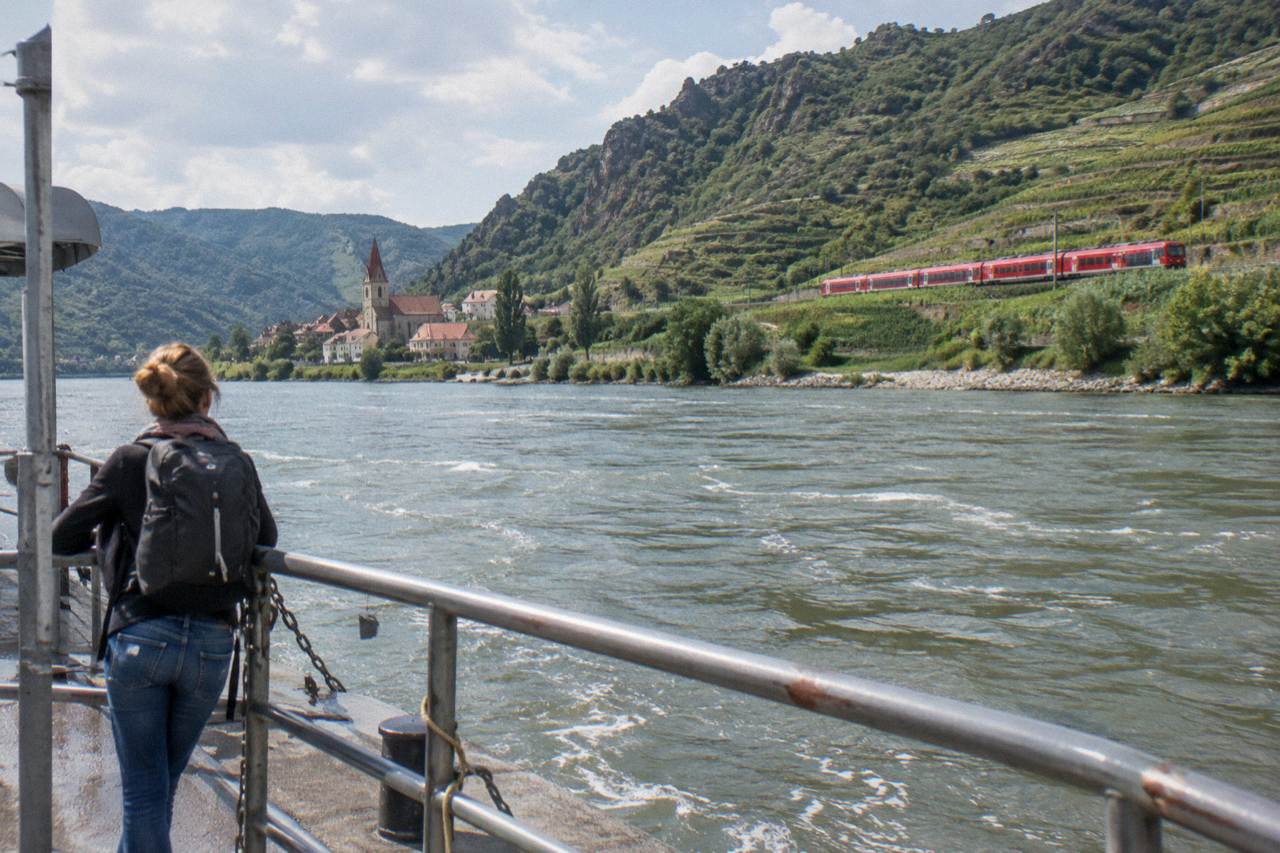
In Vienna, no: the U-Bahn carries standard bicycles free of charge, but only during stated hours, namely weekdays between 9:00 and 15:00 and again from 18:30 to the end of service, plus all day on weekends and public holidays. On Austrian regional trains such as the Vienna to Melk leg toward the Wachau, a bike usually needs a supplement alongside your ticket, and the exact fare should be confirmed with the operator.
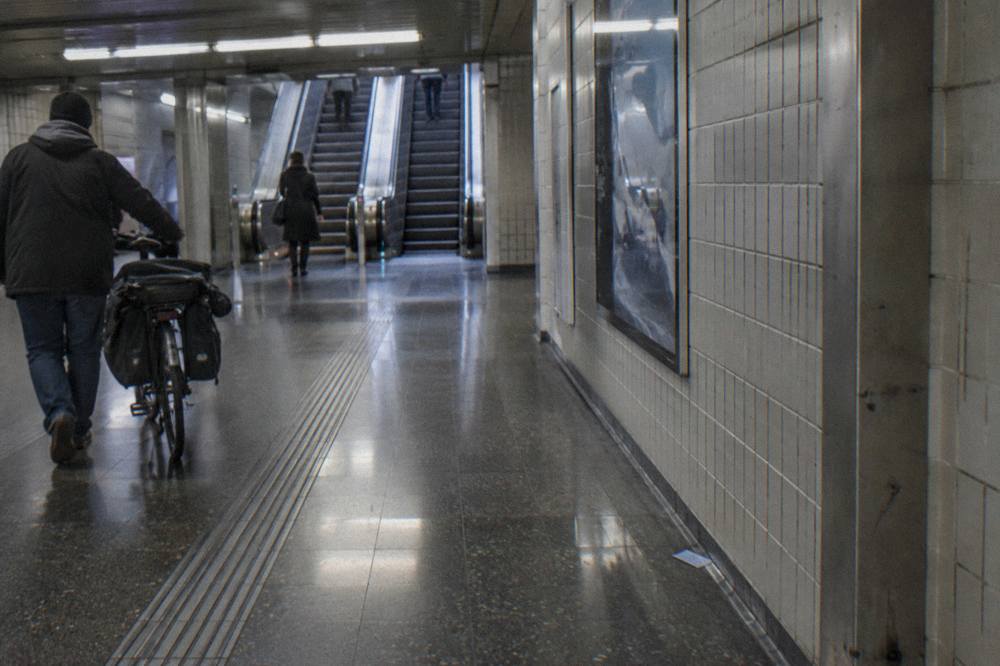
That two-part answer matters because most visitors mix the two systems without realizing they follow different rules. The Wiener Linien conditions of carriage are unusually clear on the city side: standard bikes travel on the underground trains only, free, in the window described above, wheeled rather than ridden at all times inside stations, and never on escalators. A maximum of two bicycles or e-scooters is allowed per entry area, and wheelchairs and prams always have priority.
The intercity and regional picture is a separate question. Trains from Vienna toward the Wachau wine region run frequently, with connections to Melk Bahnhof roughly every 30 minutes and an average journey time of about 51 minutes, but the bicycle fare for those trains is not something to guess at: check with the operator before you travel, because bike space rules and supplements vary by train type and can change seasonally.
Why does the question come up so often? Because Vienna rewards exactly this kind of hybrid day. The city itself is compact and largely flat, which makes it rideable end to end without a train, while the famous cycling country worth a full day trip, the Wachau valley with its terraced vineyards and apricot orchards, sits far enough out that riding there and back in a day is not realistic for most people. The train bridges that gap, and once a bike enters the picture the fare question follows immediately. For most riders the day starts in Krems, and the guide to spending a day in Krems and the Wachau covers what to see once you roll off the platform with your bike.
If your plan is less about hauling a bike and more about riding one in interesting places, a booked tour removes the question entirely. The options below pair the city's car-free riding with a full wine-country day out.
Between them they cover the great majority of use cases behind this question, and each one answers the fare problem by not creating it in the first place. If these routes have you convinced Austria is onto something, the comparison of which European country comes out on top for bike touring shows just how far that advantage extends beyond the Danube.
When Bikes Ride Free On Vienna's U-Bahn
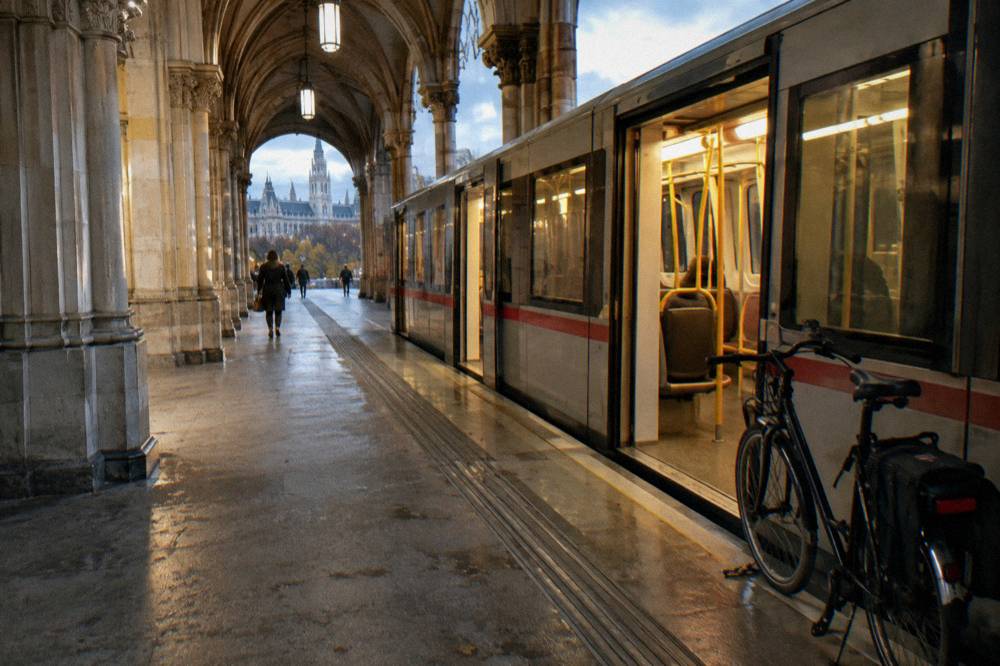
Yes, really free, and the rule is written into the Wiener Linien conditions of carriage: standard bicycles and e-bikes are carried on U-Bahn trains at no extra charge, Monday to Friday between 9:00 AM and 3:00 PM and from 6:30 PM to the end of service, and all day on Saturdays, Sundays and public holidays. Outside those weekday windows you simply wait, since the restriction is about crowding, not money.
The full text of the conditions of carriage adds details that catch riders out. Bikes must be pushed, not ridden, anywhere in stations, and escalators are off limits with a bicycle. The carriage of bicycles with start-assist motors, cargo bikes, transport bikes and Segways is prohibited outright, so an e-bike rider should check how their bike is classified before assuming it counts as a standard bicycle.
For a visitor, the practical read is this: the free window covers a mid-morning departure, a long lunchtime transfer, and any evening or weekend move. A 9:00 arrival at a station just before the morning window opens is the classic mistake, arriving minutes early and waiting for the clock. None of it costs money, only timing.
The rhythm of the day matters more than most riders expect. The morning window opens at 9:00, which means the commuter rush has just cleared, and the platform will still feel busy around the edges. By 10:00 the pressure is gone and a bicycle on a U-Bahn train attracts no attention at all. The evening window from 18:30 lands after the commuter peak has thinned, and weekend carriage is all day, which makes Saturday and Sunday the natural days for any plan that involves moving a bike across the city by rail.
| Situation | Extra charge? | What to watch |
|---|---|---|
| Standard bike on U-Bahn, weekdays 9:00-15:00 | No | Wheel it, never ride it in stations |
| Standard bike on U-Bahn, weekdays after 18:30 | No | Two bikes maximum per entry area |
| Standard bike on U-Bahn, weekends and holidays | No | Prams and wheelchairs have priority |
| Non-foldable bike on tram or bus | Not allowed | No fare exists; use the U-Bahn |
| Bike on regional train toward the Wachau | Usually a supplement | Confirm the fare with the operator |
The table's last two rows are where plans break. Vienna's trams and buses do not accept non-foldable bicycles at any price, which pushes every cross-city bike move onto the U-Bahn or the street itself. That sounds restrictive until you remember how small the central city is: the distance a tram would cover is very often a rideable 15 or 20 minutes on quiet streets, and the city's cycling network, roughly 1,811 kilometers in total, means a street alternative almost always exists.
One more detail from the carriage terms deserves a plain statement: the rule that bikes must be pushed inside facilities applies everywhere in a station, from the street door to the platform edge. Station staff do enforce it, and the reason is simple crowding logic. A person walking a bicycle takes a predictable line through a concourse; a person riding one does not.
What The ÖBB Rules Mean For A Wachau Day Trip
For the Wachau, the train is the standard way in: Vienna to Melk Bahnhof connections run about every 30 minutes with an average journey of roughly 51 minutes, and cyclists should expect to add a bicycle supplement to their own ticket, with the exact fare confirmed through the operator. The Wachau-Ticket bundles the train from Vienna, a DDSG ship between Melk and Krems and Melk Abbey entry, so it is worth comparing against separate bike-and-ride pricing.
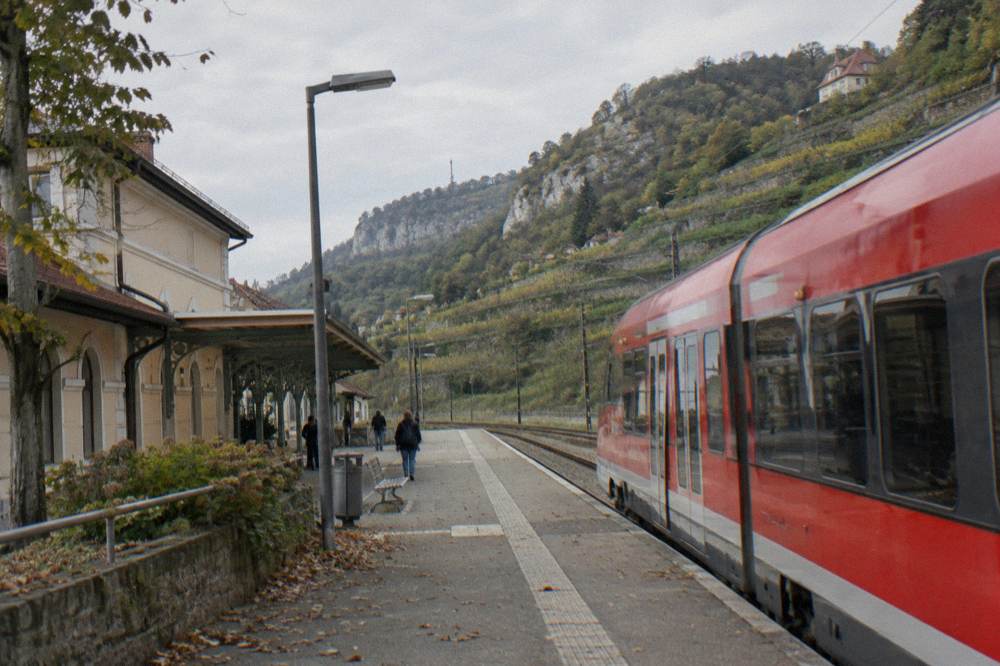
The half-hourly frequency is the quiet hero of this route. Because trains run so often, a cyclist does not need to build the day around a single departure; miss one and the next is close behind, which changes how relaxed the whole morning feels. The roughly 51-minute ride is short enough that a full day in the valley still starts before noon even with a late start from Vienna.
The ship leg has its own rhythm. The DDSG Blue Danube Wachau season runs from 28 March to 1 November, with the main season from late April to early October, so a November ride misses the boat entirely. Cyclists who stay on land can cross the river at the Spitz-Arnsdorf roll ferry, where a bicycle including its rider pays 4.70 EUR, and the ferry runs from March to October on a daily timetable. A one-way ship ticket between Krems and Melk costs 40 EUR, or 49 EUR return, which is worth knowing even if you only ride one leg.
The simplest version of the day removes every moving part. The Wachau Valley Wine Tasting Bike Tour from Vienna books as a single day of roughly 11 hours, bikes and logistics handled, and the Wachau-Ticket covers the independent version for riders who want to plan it themselves.
Trams, Buses And The Details That Catch Riders Out
No fare exists for a non-foldable bike on a Vienna tram or bus, because they are simply not accepted; the U-Bahn is the only rail option inside the city, free in the stated hours, and station rules add a few sharp edges: no escalators, two bikes per entry area maximum, and a flat prohibition on bicycles with start-assist motors, cargo bikes and similar machines.
The escalator rule deserves its own sentence, because stations are deep and the instinct to roll a bike onto a moving staircase is strong after a long ride. The conditions of carriage require bikes to be pushed within facilities at all times, which in practice means the lifts and the ramps. During peak crowds the two-bike limit per entry area also bites, so a group of five riders boards in shifts rather than as one blob.
E-bike riders face the least obvious restriction. The carriage terms prohibit bicycles with start-assist motors specifically, which is a narrower category than every e-bike, and the classification is not always printed on the frame. If you rented an e-bike and cannot confirm its type, ask the rental shop or check with the operator before planning a U-Bahn leg around it. A rider who only discovers the restriction at the platform gate has no fallback except riding the whole distance on the surface.
Cyclists staying on the surface will also notice the city itself changing under them: Vienna is building roughly 12.5 kilometers of new cycling infrastructure across 33 projects in 2026, and the Ringstrasse bike path is being rebuilt in stages starting between Schottentor and Franz-Josefs-Kai, so a route that worked last year may have a diversion this season. The first phase of the Ringstrasse work has a completion target of summer 2027, which means visitors in the meantime should expect cones, narrowed sections and occasional detours on one of the city's most-ridden corridors.
Planning A Bike-Plus-Train Day From Vienna
A workable shape is simple: ride inside Vienna where no train is needed, use the free U-Bahn window only to reposition, and put the paid train leg where it earns its keep, on the way to the Wachau. Budget nothing extra for city rail, a small bike supplement for the regional train, and confirm that supplement with the operator, since the fare is not published in a single place.
For the city half of the day, a guided ride covers ground most visitors never reach on their own. The classic 3-hour guided city tour and the 3-hour e-bike loop through the Danube Island and green parks both keep everything inside Vienna, no train ticket of any kind involved. Our Bike Tours Vienna roster lays these out side by side, and the cycling guide to the Prater and Danube Island explains what that riverside riding involves.
The Danube Island option deserves a special note for anyone asking this train question, because it solves the problem geographically. The island is reachable from the center by bike on surface routes, it carries up to 21 kilometers of paved cycling paths within a 135-kilometer trail network, and one section closure between Nordbruecke and Floridsdorfer Bruecke aside, it delivers riverside riding that feels nothing like a city errand. No supplement, no timetable, no carriage rules: just a ride. If the island leaves you wanting a longer stretch of the Danube, our rundown of what the Wachau Valley is famous for points you toward apricot orchards, wine villages, and a riverside cycle route a train hop west of the city.
For the Wachau half, decide early between the independent and the booked version. Independent riders take the roughly 51-minute train toward Melk, ride the valley, maybe cross on the 4.70 EUR roll ferry, and return by train or ship. Booked riders join the Wachau wine tasting bike tour, where the day, the bikes and the tastings are arranged as one package of about 11 hours.
Timing around the seasons is part of the cost question too. The apricot blossom draws crowds to the Wachau in late March to early April, with a peak that lasts ten days to three weeks, the harvest lands in early to mid-July, and the ship season closes in early November, so the window in which every piece of a bike-train-ship day runs at once is wide but not endless. If you would rather compare the formats before committing, the breakdown of renting versus joining a guided ride covers the trade-offs.
What A Bike-Plus-Train Day Actually Costs
Count the pieces instead of guessing at a total: city rail costs nothing in the free window, the regional train fare plus a bike supplement covers the Wachau leg, the roll ferry charges 4.70 EUR for a bicycle with rider, and a booked tour replaces all of that arithmetic with one price on the booking page. Only the tour figure is a single published number; the rest you assemble from the pieces.
| Piece of the day | Typical cost | Where the number comes from |
|---|---|---|
| U-Bahn leg with a standard bike | 0 EUR, set hours | Conditions of carriage, Wiener Linien |
| Vienna to Melk train, per person | Fare varies by ticket | Confirm with the operator |
| Bike supplement on that train | Small supplement, varies | Confirm with the operator |
| Spitz-Arnsdorf roll ferry, bike with rider | 4.70 EUR | Ferry 2026 price list |
| Krems to Melk ship, one way | 40 EUR per person | 2026 ship fares |
| Wachau wine tour, booked day | On the booking page | Tour listing, roughly 11 hours |
The value of a table like this is honesty about where certainty ends. Four of the six rows are firm, published numbers. Two depend on the operator's own fare rules, and no amount of planning replaces asking the question directly before you commit to a timetable. Riders who book the guided wine day hand that uncertainty over entirely, which is a large part of what the roughly 11-hour package sells.
Whichever way you go, the core answer holds: inside Vienna the train-plus-bike combination is free within the stated hours, and beyond it the supplement is a small, knowable cost once you ask the operator the right question before departure.
Common Questions About Bikes On Trains
Do You Have To Pay Extra To Take A Bike On The Train?
On Vienna's U-Bahn, no: standard bikes ride free during the permitted hours, which are weekdays 9:00 to 15:00 and after 18:30, plus all day on weekends and public holidays. On Austrian regional trains, such as the Vienna to Melk leg, a bike supplement usually applies alongside your own ticket, and the exact fare should be confirmed with the operator.
Can You Take A Bike On A Vienna Tram Or Bus?
No. Non-foldable bicycles are not accepted on Vienna's trams or buses at any fare. The U-Bahn is the only rail option for a full-size bike inside the city, and the street network is the alternative for any route the trains do not cover.
Are E-Bikes Allowed On The U-Bahn?
Standard e-bikes are treated like standard bicycles in the permitted hours, but the conditions of carriage prohibit bicycles with start-assist motors, cargo bikes and similar machines. If you cannot confirm how your rental bike is classified, check with the operator before planning a U-Bahn leg around it.
How Long Is The Train From Vienna To The Wachau?
Trains from Vienna to Melk Bahnhof run roughly every 30 minutes with an average journey time of about 51 minutes, which is why Melk works as the standard entry point for a cycling day in the Wachau valley.
Is There A Ticket That Combines The Train, The Ship And Melk Abbey?
Yes. The Wachau-Ticket combines the train from Vienna, a DDSG ship between Melk and Krems in either direction, and entry to Melk Abbey. The ship season runs from 28 March to 1 November, so check that your travel dates fall inside it.
Do Children Need A Helmet To Ride To The Station?
Children up to their 12th birthday must wear a helmet on any bicycle in Austria, and since 1 May 2026 that duty extends to children and youths under 14 on e-bikes. From age 14 there is no general helmet duty, though helmets are recommended at every age.